

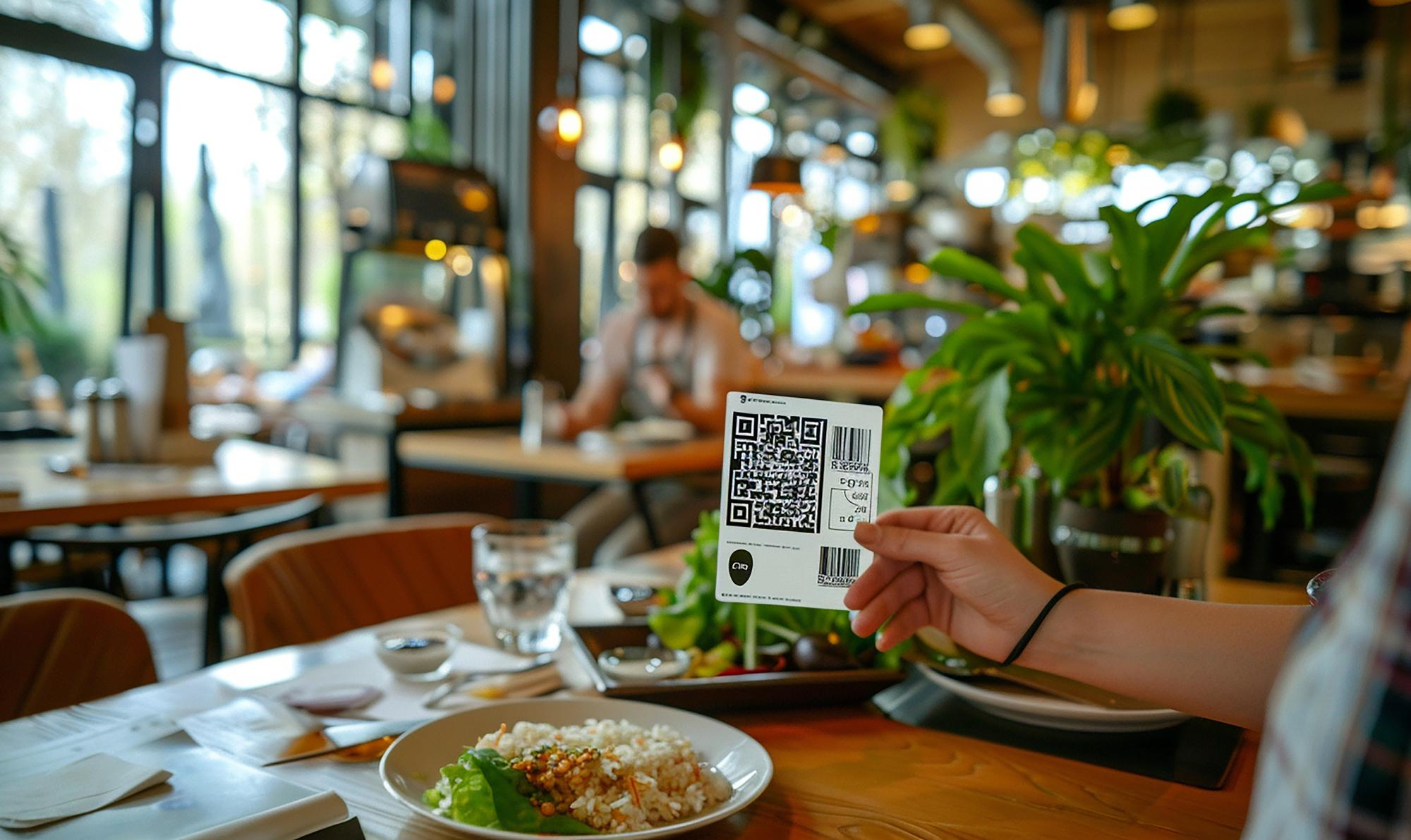
The Evolution from Functional to Experiential: The Next Chapter for QR Codes
The initial wave of QR codes in the UAE restaurant trends was born out of necessity. The global pandemic accelerated the adoption of contactless technology, and the humble QR code became the go-to solution for providing customers with a safe and hygienic way to view menus. In the early days, this often meant a simple link to a static PDF file, a digital replica of the traditional paper menu. While functional, this approach barely scratched the surface of what QR technology could offer. It was a practical solution to a pressing problem, but it lacked the engagement and interactivity that modern consumers have come to expect.
As the F&B industry in the UAE has continued to evolve, so too have customer expectations. Diners are no longer content with a purely functional experience; they are looking for a more engaging and immersive dining experience. They want to be entertained, informed, and connected to the food they are eating and the brand they are supporting. This shift in consumer mindset has created a new opportunity for restaurants to leverage F&B technology in a more creative and impactful way. The QR code, once a simple tool for contactless menus, is now being reimagined as a gateway to a world of visual QR experiences.
The shift towards visual QR experiences is a direct response to the evolving demands for a superior guest experience in the UAE, where every touchpoint matters. By transforming the menu into an interactive journey, restaurants are moving beyond mere service and are actively crafting the memorable, personalized moments that modern diners crave.
So, what exactly are Visual QR Experiences? In short, they are the next evolution of the QR code, transforming it from a simple information delivery tool into a rich and interactive platform for customer engagement F&B. A visual QR experience goes beyond a simple menu to offer a multi-sensory experience that can include high-quality images, videos, augmented reality (AR) elements, and interactive storytelling. It is about creating a Dubai dining experience that is not just about the food, but about the entire journey, from the moment a customer scans the QR code to the moment they pay the bill. This is a key part of how to improve customer engagement in Dubai restaurants and is a clear indication of the future of customer engagement in the UAE F&B industry.
The Power of Sight and Story: How Visuals Influence the Dining Experience?
The shift towards Visual QR Experiences is rooted in a fundamental understanding of human psychology: we eat with our eyes first. The visual presentation of food has a profound impact on our perception of its taste, quality, and desirability. By leveraging the power of sight and story, restaurants in the UAE can create a more engaging and persuasive dining experience that not only whets the appetite but also builds a deeper connection with the customer. This is a key aspect of modern restaurant marketing UAE and is a powerful way to enhance the Dubai dining experience.
The Psychology of “Eating with Your Eyes”
The old adage “we eat with our eyes first” is more than just a saying; it is a scientifically proven fact. Research has shown that the visual appeal of food can have a significant impact on our appetite and our ordering decisions. High-quality images and videos of beautifully plated dishes can trigger a physiological response, causing our mouths to water and our stomachs to rumble. This is why food photography is such a powerful tool in restaurant marketing UAE. By presenting their dishes in the most appealing way possible, restaurants can tap into this primal response and entice customers to order more.
But the power of visuals goes beyond simply making food look good. It is also about telling a story. Using QR codes for storytelling in restaurants is a growing trend that allows restaurants to create a more emotional connection with their customers. A short video of a chef passionately describing the inspiration behind a dish, or a photo gallery showcasing the local farm where the ingredients were sourced, can transform a simple meal into a memorable experience. This is one of the key benefits of visual menus for customer experience and is a powerful way to differentiate a brand in the competitive UAE restaurant trends.
From Static Text to Dynamic Content
Visual QR Experiences are all about moving beyond the limitations of static text and embracing the power of dynamic content. Instead of a simple list of dishes and prices, an interactive menu can be a rich and engaging experience that brings the food to life. This can be achieved through a variety of creative and innovative approaches:
- Showcasing the chef’s craft through behind-the-scenes videos: A short video of a chef preparing a dish can be a powerful way to showcase their skill and passion. It can also help to build a personal connection between the chef and the customer.
- Using AR to bring dishes to life on the customer’s table: AR in restaurants is a rapidly growing trend that allows customers to view a 3D, interactive model of a dish on their smartphone. This is a fun and engaging way to explore the menu and is a great example of immersive dining.
- Interactive elements: Visual menus can also include a variety of interactive elements, such as 360-degree views of dishes, interactive maps showing where the ingredients were sourced, and even games and quizzes. These elements can help to make the dining experience more fun and engaging, and are a key part of creating interactive QR code experiences for diners.
By embracing these dynamic content formats, restaurants can create a more engaging and memorable Dubai dining experience that will keep customers coming back for more. This is a key part of the future of customer engagement in the UAE F&B industry and is a clear indication of the power of F&B technology.
Tangible Benefits for UAE Restaurants: More Than Just a Pretty Picture
While the immersive and engaging nature of Visual QR Experiences is a major draw for customers, the benefits for restaurants extend far beyond simply creating a memorable Dubai dining experience. The adoption of visual menus and other interactive visual QR codes can have a direct and measurable impact on a restaurant’s bottom line. From driving sales and increasing average order value to building a stronger brand identity and enhancing customer satisfaction, the tangible benefits of this F&B technology are making it an increasingly popular choice for restaurant marketing UAE.
Driving Sales and Increasing Average Order Value
One of the most significant benefits of visual menus for customer experience is their ability to drive sales and increase average order value. As we have already discussed, high-quality images and videos can have a powerful psychological impact on customers, making them more likely to order a particular dish. This is a key part of the impact of visual QR experiences on restaurant sales. By showcasing their most profitable and high-margin items in a visually appealing way, restaurants can subtly guide customers towards more lucrative choices.
Furthermore, interactive menus can be used to upsell and cross-sell with ease. For example, a customer who is viewing a steak on the menu could be presented with a pop-up suggesting a recommended wine pairing, or a side dish that complements the main course. This is a much more effective and less intrusive way to upsell than having a server make a verbal recommendation. By making it easy for customers to discover and order additional items, restaurants can significantly increase their average order value.
Building a Stronger Brand Identity
In the crowded and competitive UAE restaurant trends, building a strong and memorable brand identity is crucial for success. Visual QR Experiences offer a powerful platform for communicating a restaurant’s story, values, and atmosphere. By using QR codes for storytelling in restaurants, businesses can create a more emotional connection with their customers and differentiate themselves from the competition.
For example, a restaurant that is committed to sustainability could use its visual menu to showcase the local farms where its ingredients are sourced. A fine-dining establishment could use its QR visual experiences to tell the story of its award-winning chef. A family-friendly restaurant could use its interactive menu to create a fun and engaging experience for children. These are all powerful ways to build a brand identity that resonates with customers and encourages them to become loyal advocates for the brand. The shareable, “Instagrammable” moments created by AR in restaurants and other visual QR code experiences also drive organic marketing, as customers are eager to share their unique dining experiences with their friends and followers.
The shareable nature of visual QR experiences, especially AR-powered effects, directly fuels the engine of social search, where platforms like TikTok and Instagram are the new frontiers for customer discovery. These visually striking moments become user-generated content that drives organic marketing, turning a dining experience into a viral trend.
Enhancing Customer Education and Satisfaction
Visual QR Experiences can also play a valuable role in enhancing customer education and satisfaction. For complex or unfamiliar dishes, a short video or a series of high-quality images can be a much more effective way to explain the ingredients and preparation method than a simple text description. This is particularly useful in a multicultural city like Dubai, where customers may not be familiar with all of the dishes on the menu. By providing clear and concise visual explanations, restaurants can help customers to make more informed ordering decisions and can reduce the risk of disappointment.
Furthermore, visual menus can be used to provide clear visual cues for portion sizes and ingredients. This can be particularly helpful for customers with dietary restrictions or allergies. By providing this information in a clear and accessible format, restaurants can build trust and demonstrate a commitment to customer satisfaction. This is a key part of how to improve customer engagement in Dubai restaurants and is a clear indication of the best practices for visual QR menus in restaurants.
Visual QR in Action: Innovative Examples from the UAE’s F&B Scene
The adoption of Visual QR Experiences is not just a theoretical concept; it is a reality that is already playing out in restaurants across the UAE. From high-end lounges in Dubai to family-friendly eateries in Sharjah, F&B businesses are finding creative and innovative ways to use visual QR code experiences to enhance customer engagement F&B and to create a more memorable Dubai dining experience. These real-world examples provide a glimpse into the exciting possibilities of this emerging UAE restaurant trend.
The AR-Powered Cocktail Menu in a Dubai Lounge
In a chic and sophisticated lounge in the heart of Dubai, the cocktail menu has been transformed into an immersive and interactive experience. By scanning a QR code, guests are presented with an AR-powered visual QR menu that brings the cocktails to life. They can see a 3D, animated model of each cocktail, complete with swirling smoke, clinking ice, and a detailed description of the ingredients and flavor profile. This is a perfect example of AR in restaurants being used to create a sense of theater and excitement, and it has been a huge hit with the lounge’s tech-savvy clientele. The augmented reality menu examples in the UAE are still few and far between, but this innovative lounge is leading the way.
The Farm-to-Table Story told through a QR Code in an Abu Dhabi Eatery
An eco-conscious, farm-to-table restaurant in Abu Dhabi is using QR codes for storytelling in restaurants to connect its customers with the source of their food. Each dish on the menu has a unique QR code that, when scanned, takes the customer on a virtual journey to the local farm where the ingredients were grown. Through a series of high-quality images and short videos, customers can learn about the farm’s sustainable practices, meet the farmers who grew their food, and see the journey of the ingredients from the farm to their plate. This is a powerful way to build trust and transparency, and it has helped the restaurant to create a loyal following of customers who are passionate about supporting local and sustainable agriculture.
The Interactive Kids’ Menu in a Family-Friendly Sharjah Restaurant
A popular family-friendly restaurant in Sharjah has transformed its kids’ menu into an interactive menu that is both fun and educational. By scanning a QR code, children are presented with a colorful and engaging menu that includes games, puzzles, and coloring activities. They can also learn fun facts about the food they are eating and can even take a virtual tour of the restaurant’s kitchen. This is a great example of creating interactive QR code experiences for diners of all ages, and it has been a huge success with both children and parents. The restaurant has seen a significant increase in family bookings since launching the new menu, and it has received rave reviews for its innovative and family-friendly approach.
Implementing Visual QR Experiences: A Practical Guide for F&B Managers
While the benefits of Visual QR Experiences are clear, the implementation of this new F&B technology requires careful planning and execution. For F&B managers in the UAE, it is important to approach the implementation process with a clear set of goals and a deep understanding of their target audience. By following a few key best practices for visual QR menus in restaurants, businesses can ensure a smooth and successful rollout of their new interactive menus.
First and foremost, it is important to define your goals. What do you want to achieve with your visual QR experiences? Are you looking to increase sales, build brand awareness, or enhance customer satisfaction? By having a clear set of goals in mind, you can tailor your visual QR menu experiences to meet your specific needs and can more effectively measure the success of your efforts.
Understanding your audience is also crucial. Who are your target customers, and what are their expectations? Are they tech-savvy millennials who are looking for an immersive dining experience, or are they older, more traditional diners who may be less comfortable with new technology? By understanding your audience, you can create a visual QR experience that is both engaging and accessible to everyone.
Choosing the right technology is another key consideration. There are a number of different platforms and tools available for creating interactive QR code experiences for diners, from simple drag-and-drop menu builders to more advanced AR in restaurants development kits. It is important to choose a technology that is both powerful and easy to use, and that is a good fit for your budget and your technical capabilities.
The importance of high-quality content creation cannot be overstated. A visual QR experience is only as good as the content it contains. This means investing in professional photography, videography, and, if applicable, AR development. High-quality visuals are essential for creating a compelling and engaging experience that will capture the attention of your customers.
Finally, it is important to address the potential challenges of implementation. The cost of developing and implementing a visual QR experience can be a significant investment, so it is important to have a clear budget in place. There may also be technical challenges, such as ensuring that your restaurant has a reliable Wi-Fi network and that your staff are properly trained on how to use the new system. By anticipating these challenges and having a plan in place to address them, you can ensure a smooth and successful implementation.
Successfully implementing innovative visual QR experiences relies on a well-trained and engaged team that can guide customers through the new technology. Investing in a sustainable workforce ensures that staff are not only proficient with these digital tools but are also empowered to enhance the guest experience they facilitate.
The Future of Dining is Visual: What’s Next for QR Code Engagement?
The rise of Visual QR Experiences is just the beginning of a new era of customer engagement F&B. As technology continues to evolve, we can expect to see even more innovative and exciting applications of QR code engagement in the UAE restaurant trends. The future of customer engagement in the UAE F&B industry is bright, with a host of new developments on the horizon that will make the Dubai dining experience more personalized, interactive, and immersive than ever before.
One of the most exciting trends to watch is the integration of personalization and AI with visual menus. By analyzing a customer’s past orders, dietary preferences, and even their mood, AI-powered systems will be able to create a truly personalized dining experience. Imagine a menu that automatically highlights the dishes that you are most likely to enjoy, or that suggests a wine pairing based on your personal taste profile. This level of personalization will not only enhance the customer experience but will also help restaurants to increase sales and build stronger relationships with their customers.
The expansion of gamification and loyalty programs through visual QR is another key area of development. By incorporating games, quizzes, and other interactive elements into their visual QR experiences, restaurants can make the dining experience more fun and engaging. They can also use QR codes to create seamless and easy-to-use loyalty programs that reward customers for their repeat business. This is a powerful way to build customer loyalty and to turn casual diners into brand advocates.
Finally, we can expect to see the emergence of fully holographic and immersive dining experiences. While still in its early stages, the development of holographic technology has the potential to revolutionize the way we interact with food. Imagine being able to see a 3D, holographic representation of a dish before you order it, or to be transported to a virtual vineyard while you sip on a glass of wine. This may sound like science fiction, but it is the direction in which the industry is heading. The F&B technology of tomorrow will be all about creating multi-sensory experiences that engage and delight the customer in new and exciting ways.
Captivating Your Customers in the New Visual Age of F&B
The QR code has come a long way from its humble beginnings as a simple tool for contactless menus. In the dynamic and competitive UAE restaurant trends, it has evolved into a powerful platform for creating immersive and engaging Visual QR Experiences. By embracing this new F&B technology, restaurants can captivate their customers, drive sales, and build a stronger and more memorable brand identity.
From the psychological power of “eating with your eyes” to the tangible benefits of increased sales and enhanced customer satisfaction, the case for visual menus and interactive menus is clear. The innovative examples from across the UAE demonstrate that AR in restaurants and other visual QR code experiences are not just a gimmick; they are a powerful tool for how to improve customer engagement in Dubai restaurants.
The future of dining is visual, and the restaurants that embrace this new reality will be the ones that thrive in the years to come. The integration of AI, personalization, and gamification will only serve to enhance the power and potential of QR code engagement. For F&B managers and marketers in the UAE, the message is clear: the time to start thinking visually is now. By creating interactive QR code experiences for diners, you can not only meet the evolving expectations of your customers but also position your brand for success in the new visual age of F&B.
