

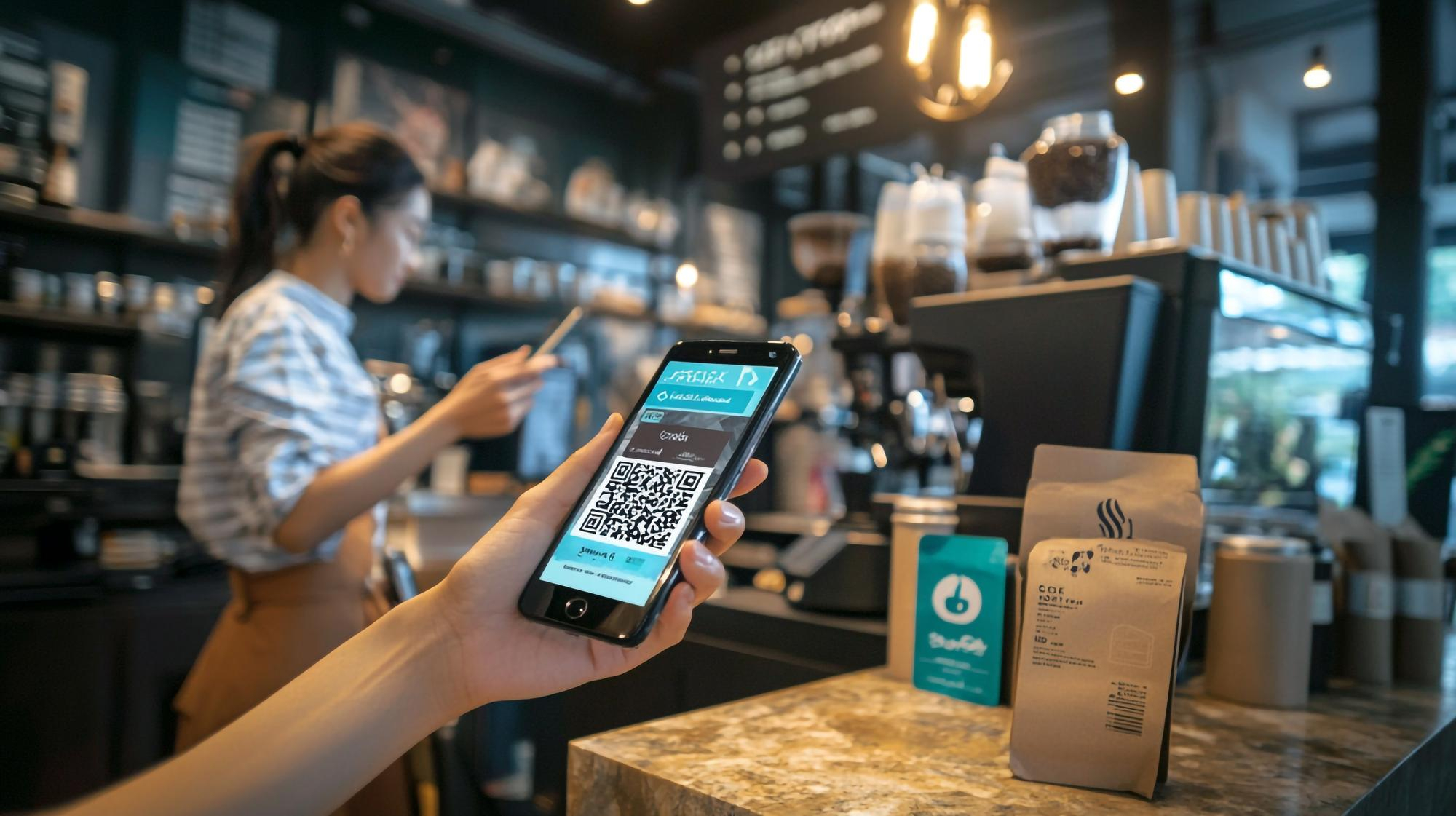
From Pandemic Necessity to Industry Standard: The Evolution of QR Codes in UAE Restaurants
The widespread adoption of digital QR solutions in the UAE can be traced back to the global pandemic, which acted as a powerful catalyst for change across the F&B industry. The urgent need for contactless interactions to ensure the health and safety of both customers and staff led to a rapid shift away from traditional printed menus. In the early stages, this often meant a simple PDF version of the menu accessible via a QR code. While functional, this was merely a digital replica of a physical menu and barely scratched the surface of what QR technology could offer.
However, the tech-savvy and forward-thinking environment of the UAE, particularly in bustling hubs like Dubai and Abu Dhabi, meant that this initial, reactive adoption quickly evolved. Government bodies and industry leaders recognized the potential of this technology beyond just a temporary safety measure. Initiatives promoting a digital-first approach to business, coupled with a population that is highly receptive to technological advancements, created the perfect breeding ground for F&B innovation. This supportive ecosystem encouraged restaurants to move beyond static PDF menus and embrace interactive digital menus. These new platforms offered a much richer and more dynamic user experience, with features such as high-quality images, detailed descriptions, and even video content. The transition was swift, and what began as a necessity soon became a new industry standard for UAE restaurants.
More Than a Menu: Key Transformations Driven by Digital QR Solutions
The adoption of digital QR solutions in the UAE has ushered in a new era of efficiency and customer engagement for the F&B industry. What started as a simple tool for viewing menus has now become a multifaceted platform that is transforming the very core of restaurant operations and the dining experience itself. From streamlining the ordering and payment process to offering personalized marketing opportunities, QR codes in F&B are proving to be an indispensable asset for modern restaurants.
Revolutionizing the Ordering and Payment Process
One of the most significant impacts of digital QR solutions in the UAE has been the revolutionizing of the ordering and payment process. The move towards contactless dining has been embraced by both restaurants and consumers, offering a level of convenience and efficiency that was previously unimaginable. By simply scanning a QR code at their table, customers can access an interactive digital menu, place their order directly from their smartphone, and even make payments without having to wait for a server. This seamless process not only reduces wait times but also minimizes the chances of human error, leading to a more accurate and satisfactory ordering experience.
The integration of QR code payments with digital wallets and other payment gateways has further enhanced this convenience. Customers can choose from a variety of payment options, including credit/debit cards, Apple Pay, and Google Pay, making the transaction process quick and secure. Furthermore, many QR code ordering systems for cafes in Abu Dhabi and restaurants across the UAE now offer features like bill splitting, allowing groups of diners to easily divide the cost of their meal among themselves. This level of flexibility and control is a key factor in improving customer experience with QR codes in restaurants and is a clear indication of the digital transformation in the UAE food and beverage sector.
Ultimately, the adoption of comprehensive QR code solutions is reshaping the F&B industry, offering a powerful toolkit for restaurants to enhance every touchpoint of the customer journey. From interactive menus to seamless payments, this technology is proving to be an essential ingredient for success in the modern dining landscape.
Enhancing the Customer Experience
Beyond the transactional benefits, digital QR solutions in the UAE are playing a pivotal role in enhancing the overall customer experience. The ability to deliver dynamic and personalized content directly to a customer’s device opens up a world of possibilities for QR code marketing. For instance, a restaurant can use its digital menu to showcase daily specials, promote limited-time offers, or even tell the story behind a particular dish. This level of engagement goes far beyond what a traditional printed menu can offer and helps to create a more memorable and immersive dining experience.
Another key aspect of improving customer experience with QR codes in restaurants is the ability to provide instant access to detailed information. With just a few taps, customers can view nutritional information, allergen warnings, and even pairing suggestions for their chosen dishes. This is particularly important in a health-conscious market like the UAE, where consumers are increasingly interested in the food they eat. By providing this information in a clear and accessible format, UAE restaurants can build trust and cater to the specific needs of their customers.
Restaurants can further enrich the digital menu by using QR codes to launch image galleries, showcasing high-quality visuals of their dishes. This not only makes the menu more appealing but also helps customers make more informed decisions, leading to a more satisfying dining experience.
Furthermore, QR codes in F&B are proving to be an effective tool for gathering real-time feedback. Instead of relying on traditional methods like comment cards, restaurants can now prompt customers to leave a review or complete a short survey at the end of their meal. This immediate feedback is invaluable for identifying areas for improvement and ensuring that any issues are addressed promptly. This direct line of communication between the restaurant and its customers is a powerful way to build loyalty and foster a sense of community.
Streamlining Restaurant Operations
The benefits of digital QR solutions in the UAE extend far beyond the customer-facing aspects of the F&B industry. This technology is also having a profound impact on the back-end operations of restaurants, leading to increased efficiency, reduced costs, and more informed business decisions. The adoption of restaurant technology like QR codes is a key component of the ongoing digital transformation in the UAE food and beverage sector.
One of the most immediate and tangible benefits of switching to digital menus is the significant reduction in printing costs. Traditional menus are expensive to produce and need to be reprinted every time there is a price change or a new dish is added. With a digital menu, updates can be made in real-time, at no additional cost. This not only saves money but also gives restaurants the flexibility to adapt their offerings quickly to changing customer preferences or seasonal availability of ingredients.
In addition to cost savings, QR code ordering systems for cafes in Abu Dhabi and restaurants throughout the UAE are helping to improve order accuracy and efficiency. When customers place their own orders directly from their smartphones, the risk of miscommunication between the customer and the server is eliminated. This leads to fewer errors in the kitchen and a higher level of customer satisfaction. Furthermore, by automating the order-taking process, servers are freed up to focus on other important tasks, such as providing recommendations, attending to customer needs, and ensuring a smooth and enjoyable dining experience.
The data and analytics generated by UAE restaurant QR code systems are perhaps the most powerful tool for streamlining operations. By tracking which menu items are being viewed and ordered most frequently, restaurant managers can gain valuable insights into customer preferences. This data can be used for menu engineering, which is the strategic process of designing a menu to maximize profitability. For example, a restaurant might choose to highlight its most popular and profitable dishes, or it might decide to remove underperforming items from the menu altogether. This data-driven approach to menu management is a game-changer for the Dubai F&B scene and is helping restaurants to make smarter, more profitable decisions.
By leveraging the data-driven insights from QR code analytics, restaurants can apply strategic menu engineering principles to optimize their offerings for both profitability and customer appeal. This allows for a dynamic approach to menu management, where data, not guesswork, informs which dishes to promote and which to retire.
Case Studies: Success Stories from Dubai and Abu Dhabi
The theoretical benefits of digital QR solutions in the UAE are compelling, but it is the real-world success stories from Dubai F&B and Abu Dhabi restaurants that truly illustrate the transformative power of this technology. From fine dining establishments to casual cafes, businesses across the Emirates are leveraging QR solutions for F&B in the UAE to enhance their operations and elevate the customer experience.
Fine Dining in Dubai: A Premium, Personalized Experience
Consider the case of a high-end restaurant in the heart of Dubai. Initially hesitant to adopt QR codes for fear of diminishing the premium dining experience, the restaurant eventually embraced a customized UAE digital QR code solution that was designed to complement its brand identity. Instead of a simple menu, the QR code opened up a visually stunning, interactive presentation, complete with high-resolution images, detailed tasting notes, and video interviews with the chef. This immersive experience not only provided guests with a wealth of information but also added a new layer of sophistication to the dining experience.
The restaurant also used the QR code marketing capabilities of the platform to offer personalized recommendations based on a customer’s previous orders and stated preferences. This level of personalization, which would be impossible to achieve with a traditional menu, made guests feel valued and understood. The results were impressive: a significant increase in customer engagement, higher average spend per table, and a wealth of positive online reviews praising the innovative and personalized service. This success story demonstrates that with the right approach, QR code solutions for UAE restaurants can enhance even the most luxurious of dining experiences.
Casual Cafes in Abu Dhabi: Faster Service and Increased Table Turnover
In the bustling cafe scene of Abu Dhabi, the challenges are different. Here, the focus is on speed, efficiency, and maximizing table turnover, especially during peak hours. A popular chain of cafes in the capital city implemented a QR code ordering system to streamline its service and reduce wait times. Customers could scan a QR code at their table, browse the menu, place their order, and pay, all without having to flag down a busy barista.
The impact on the cafe’s operations was immediate and dramatic. The time it took to take an order and process a payment was reduced by several minutes, which, when multiplied across hundreds of customers each day, resulted in a significant increase in table turnover. The system also helped to reduce errors, as orders were sent directly from the customer’s phone to the kitchen. The cafe’s staff, freed from the repetitive task of taking orders, were able to focus on providing a more attentive and personalized service to their guests. This case study is a powerful example of how contactless QR solutions in the UAE can be used to improve efficiency and profitability in a fast-paced environment.
Large-Scale Food Courts: Centralized Ordering and Improved Customer Flow
Food courts in the UAE’s sprawling shopping malls present a unique set of challenges. With dozens of different vendors to choose from, the ordering process can be chaotic and overwhelming for customers. To address this, a major mall operator in Dubai implemented a centralized UAE restaurant QR code system for its food court. Customers could scan a single QR code to access the menus of all the vendors, place a combined order, and make a single payment.
This innovative solution transformed the food court experience. Customers no longer had to queue at multiple counters to place their orders. Instead, they could find a table, place their order from their phone, and receive a notification when their food was ready for collection. This not only improved the customer experience but also helped to manage customer flow and reduce congestion in the food court. The data collected from the system also provided valuable insights into which vendors and menu items were most popular, allowing the mall operator to optimize the food court’s offerings. This is a prime example of how digital QR in the UAE food industry is being used to solve complex operational challenges and create a more seamless and enjoyable experience for everyone.
For large-scale operations and franchises, geo-intelligent QR codes offer a powerful solution for delivering localized content and promotions across multiple locations with a single, unified code. This allows for centralized campaign management while still catering to the unique needs of different markets, ensuring brand consistency and relevance at a global scale.
Overcoming the Challenges: What F&B Businesses in the UAE Need to Consider?
While the benefits of digital QR solutions in the UAE are undeniable, the transition to this new technology is not without its challenges. For F&B businesses to successfully implement and leverage QR solutions for F&B in the UAE, it is crucial to be aware of the potential pitfalls and to have a clear strategy for overcoming them. A thoughtful and well-executed implementation plan is key to ensuring a smooth transition and maximizing the return on investment.
One of the primary concerns for UAE restaurants is ensuring a user-friendly and accessible interface for all customers. While the majority of the population in the UAE is tech-savvy, there will always be a segment of customers who are less comfortable with digital technology. It is important to design a digital menu that is intuitive and easy to navigate, with clear instructions and a simple ordering process. Additionally, restaurants should always have a backup option available, such as a physical menu or a tablet device, for customers who are unable or unwilling to use the QR code system.
A well-designed digital menu is crucial for a positive user experience, and professional menu design services can ensure that the QR code interface is not only visually appealing but also intuitive and easy to navigate. This focus on design is essential for making a great first impression and encouraging customers to embrace the digital dining experience.
Data security and privacy are another major consideration. When customers use a QR code ordering system, they are entrusting the restaurant with their personal information, including their contact details and payment information. It is the restaurant’s responsibility to ensure that this data is collected, stored, and processed in a secure and transparent manner. This means choosing a reputable UAE digital QR code solution provider that complies with all relevant data protection regulations and being transparent with customers about how their data is being used.
The importance of reliable Wi-Fi and technical support cannot be overstated. A QR code system is only as good as the internet connection that supports it. A slow or unreliable Wi-Fi network will lead to a frustrating user experience and can bring the entire ordering process to a standstill. Restaurants must invest in a robust and reliable Wi-Fi network that can handle the demands of a busy service. It is also essential to have a dedicated technical support team on hand to quickly resolve any issues that may arise.
Finally, it is crucial to provide adequate training for staff. While QR code systems can automate many tasks, they are not a replacement for human interaction. Staff need to be trained on how to use the new system, how to assist customers who may be struggling with the technology, and how to handle any issues that may arise. By investing in proper training, restaurants can ensure that their staff are confident and capable of delivering a high level of service in this new digital environment.
The Future is Now: What’s Next for QR Codes in the UAE’s F&B Industry?
The rapid evolution of digital QR solutions in the UAE is far from over. As technology continues to advance, we can expect to see even more innovative and exciting applications of QR codes in the F&B industry. The future of contactless dining is bright, with a host of new features and functionalities on the horizon that will further enhance the customer experience and streamline restaurant operations.
One of the most exciting developments is the integration of QR codes with augmented reality (AR). Imagine scanning a QR code and seeing a 3D, interactive model of a dish appear on your smartphone. This immersive experience would allow customers to see exactly what they are ordering, from all angles, before it even arrives at their table. This is not science fiction; it is the next frontier of F&B innovation, and it is already being explored by forward-thinking restaurant technology companies.
The role of artificial intelligence (AI) in personalizing QR-driven interactions is also set to grow. By analyzing a customer’s past orders and preferences, AI-powered systems will be able to provide highly personalized recommendations and promotions. For example, a customer who frequently orders vegetarian dishes might be presented with a special offer on a new plant-based menu item. This level of personalization will not only enhance the customer experience but also help restaurants to increase sales and build loyalty.
The evolution of QR codes is also paving the way for fully automated service models, such as smart vending machines and automated kiosks in high-traffic areas like malls. These technologies offer a glimpse into the future of quick service, where customers can enjoy a seamless, self-service experience from browsing to payment.
Integrating AI-powered chatbots into the QR code experience can further enhance customer service by providing instant answers to frequently asked questions and gathering real-time feedback. This not only improves the customer journey but also frees up staff to focus on delivering a higher quality of service.
Loyalty programs and customer relationship management (CRM) integration are another key area of development. By linking a customer’s QR code scans to a loyalty account, restaurants can easily track their visits, reward them for their repeat business, and send them targeted marketing messages. This is a powerful way to build long-term relationships with customers and turn them into brand advocates.
Finally, the potential for QR codes in F&B extends beyond the restaurant itself and into the supply chain. By placing QR codes on food packaging, suppliers can provide detailed information about the origin, journey, and handling of their products. This level of transparency is becoming increasingly important to consumers, who want to know where their food comes from and how it has been produced. This is a clear indication of the far-reaching impact of the digital transformation in the UAE food and beverage sector.
Embracing the Digital Shift for a Thriving F&B Future in the UAE
The journey of the QR code in the UAE’s F&B industry is a testament to the power of technology to adapt, innovate, and transform. What began as a simple tool for contactless menus has evolved into a sophisticated and multifaceted platform that is reshaping the very fabric of the dining experience. The widespread adoption of digital QR solutions in the UAE is not just a passing trend; it is a fundamental shift in how restaurants operate and how they connect with their customers.
From the seamless convenience of QR code payments to the rich, interactive experience of digital menus, the benefits of this technology are clear. For F&B businesses in the UAE, embracing this digital shift is no longer an option; it is a necessity for survival and growth in an increasingly competitive market. By leveraging the power of QR solutions for F&B in the UAE, restaurants can not only improve their operational efficiency and profitability but also create a more engaging, personalized, and memorable experience for their guests.
The future of the UAE F&B industry QR codes is bright, with endless possibilities for innovation and growth. As we have seen, the integration of AR, AI, and CRM will only serve to enhance the power and potential of this technology. For F&B entrepreneurs and professionals in the UAE, the message is clear: the time to embrace the digital QR in the UAE food industry is now. By doing so, they can ensure that their businesses not only survive but thrive in the exciting and dynamic years to come.
