

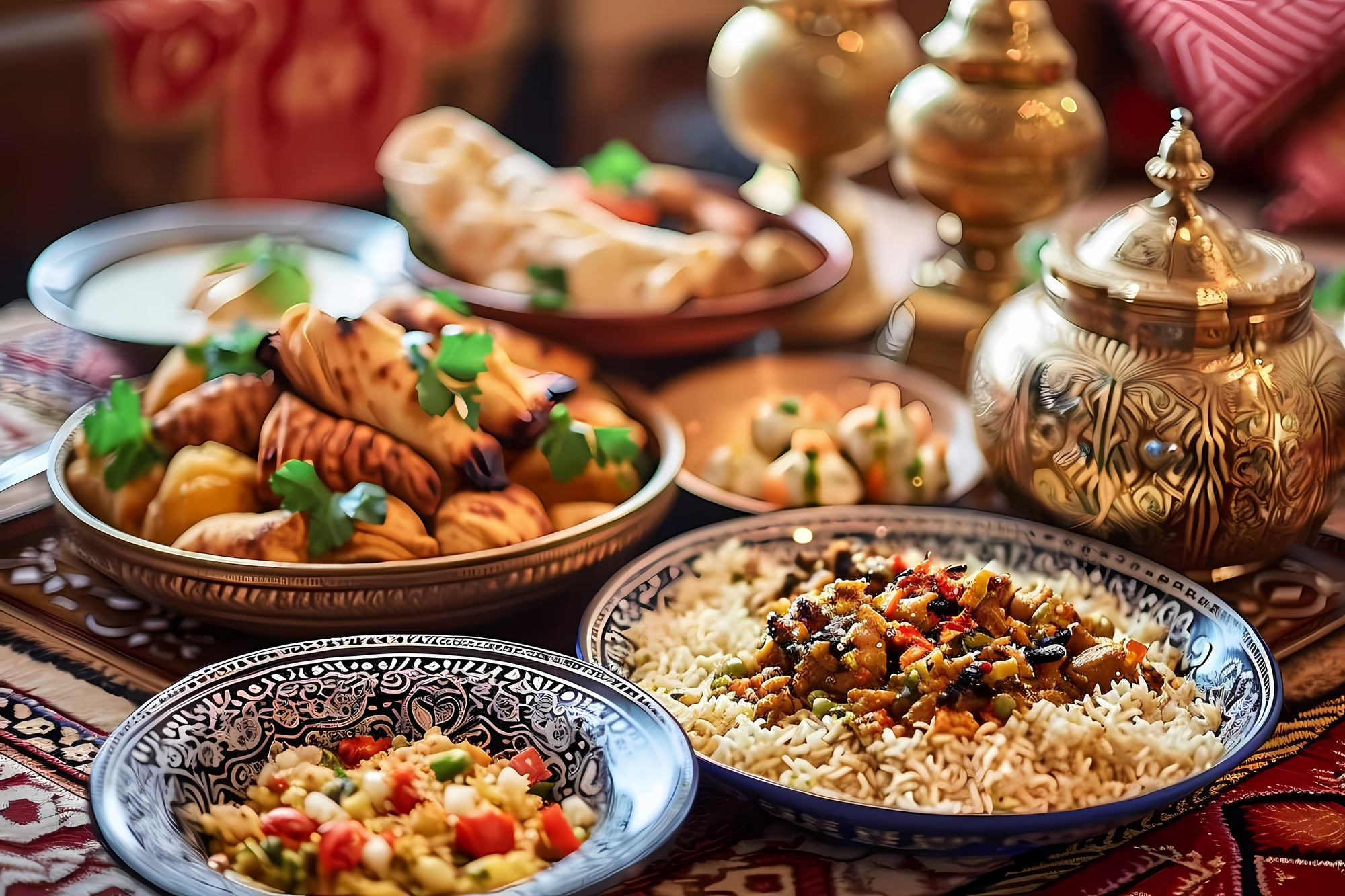
Beyond the Skyscrapers: Uncovering the Soul of Emirati Cuisine
Imagine stepping away from the dazzling chrome and glass towers of Dubai, leaving behind the symphony of supercars and the ambition of a futuristic skyline. Imagine journeying into a quieter, more intimate world, one that whispers tales of the desert, the sea, and the timeless spirit of hospitality. This is the world of Emirati cuisine, a culinary landscape as rich and layered as the history of the land itself. For any visitor to the UAE, to truly connect with its soul, one must look beyond the architectural marvels and delve into the heart of its kitchen. This UAE food guide is your invitation to that very journey.
The story of traditional Emirati dishes is not written in cookbooks but passed down through generations, a legacy of Bedouin resourcefulness and coastal bounty. It speaks of a time when life was simpler, yet profoundly connected to the rhythms of nature. It’s a cuisine born from the harsh beauty of the desert, where every ingredient was precious and every meal was a celebration of community. The flavors are a tapestry woven with the threads of ancient trade routes, where fragrant spices from India, Persia, and beyond found a new home in the Arabian Peninsula. The air in a traditional Emirati kitchen is thick with the aroma of cardamom, saffron, turmeric, and the distinct, citrusy perfume of loomi, or dried black limes—a cornerstone of the local pantry.
This exploration of traditional food in the UAE is more than just a list of recommendations; it is an invitation to experience the culture through your senses. It’s about understanding that a meal is not merely sustenance but a profound act of sharing, a cornerstone of the legendary Emirati hospitality. When you are welcomed into a home or a traditional restaurant, you are not just a customer; you are a guest, and the food placed before you is an offering of respect and friendship. So, let us embark on this flavorful expedition together, to discover the famous traditional dishes of the United Arab Emirates and to learn how to eat like a local in the UAE. This is your guide to the authentic tastes that define this incredible nation.
The Heart of the Feast: Essential Savory Dishes
At the center of any Emirati gathering, you will find the savory dishes—the pillars of the cuisine that carry the weight of tradition and the warmth of hospitality. These are not just meals; they are elaborate expressions of culture, often slow-cooked for hours, filling the home with an intoxicating aroma that signals a time of togetherness. To understand the best Emirati food, one must start with these foundational, famous traditional Emirati dishes.
Al Harees: A Dish of Patience and Celebration
There are some dishes so deeply woven into the fabric of a culture that to taste them is to partake in a living ritual. Al Harees is one such dish. This is not food to be rushed; its preparation is a lesson in patience, a slow and deliberate process that mirrors the unhurried pace of a bygone era. The name itself, derived from the Arabic verb harasa (to mash or squash), hints at the labor of love involved. At its core, Al Harees is deceptively simple: wheat berries and meat (usually chicken or lamb) are cooked together for hours in a pot with just a pinch of salt, until the ingredients break down and meld into a single, harmonious entity. The mixture is then beaten with a special wooden spoon, the midharib, until it achieves a smooth, porridge-like consistency, a testament to the effort invested.
This iconic traditional Emirati dish is far more than the sum of its parts. It is a symbol of celebration and community, traditionally prepared during the holy month of Ramadan, at weddings, and for other significant festivities. Its presence on the table signifies a special occasion, a time for family and friends to gather. Served hot and often topped with a generous drizzle of sizzling local ghee (clarified butter), Al Harees is the ultimate comfort food—wholesome, nourishing, and deeply satisfying. Its subtle, earthy flavor and heart-warming texture offer a direct connection to the very soul of Emirati cuisine. In 2023, this cherished dish was rightfully added to UNESCO’s Representative List of the Intangible Cultural Heritage of Humanity, cementing its status as a global cultural treasure.
Al Machboos: The Celebrated King of the Emirati Table
If Al Harees is the soul of Emirati cooking, then Al Machboos is its beating heart. This is arguably the most famous and beloved of all traditional Emirati dishes, a fragrant and flavorful rice dish that can be found on dining tables across the nation. To call it simply “chicken and rice” would be a profound understatement; it is a symphony of spices, a masterclass in balancing complex flavors, and a true centerpiece of Emirati hospitality. Whether made with chicken, lamb, or fish, the protein is cooked in a rich broth infused with a heady blend of spices before the rice is added to soak up all the goodness.
The secret to an exceptional Al Machboos lies in its unique spice profile. The star of the show is bezar, a quintessential Emirati spice blend that varies from family to family but typically includes cumin, coriander, turmeric, cinnamon, and black pepper. Another crucial ingredient is loomi, the dried black lime that imparts a distinctive, tangy, and slightly smoky flavor that cuts through the richness of the dish. The rice, often long-grain basmati, is delicately scented with saffron, cardamom, and cloves, turning a simple grain into a fragrant treasure. Served on a large platter, with the tender meat or chicken placed atop the mountain of golden rice and often garnished with fried onions, raisins, and nuts, Al Machboos is a dish designed for sharing, a vibrant and generous expression of the nation’s spirit.
Madrooba: The Taste of the Sea in a Bowl
Reflecting the UAE’s deep-rooted connection to the Arabian Gulf, Madrooba is a savory porridge that tells the story of the nation’s coastal heritage. For centuries, fishing and pearling were the lifeblood of the communities along the coast, and this dish is a delicious testament to that history. The name Madrooba, meaning “beaten” in Arabic, refers to the way the ingredients are vigorously mixed together until they form a thick, hearty consistency, similar to Harees but with a distinctly different flavor profile.
The primary ingredient is typically salted fish, often kingfish or tuna, which is rehydrated and then cooked with a medley of spices, tomatoes, onions, and garlic. Rice is added to the pot and everything is slow-cooked and beaten together until the fish and rice break down and combine into a rich, savory blend. The resulting dish is a powerful and complex tapestry of flavors—the saltiness of the fish, the warmth of the spices, and the tang of dried limes create a unique and unforgettable taste of the sea. It is a humble yet deeply satisfying meal, a perfect example of the resourcefulness of traditional Emirati cooking and a must-try for anyone seeking an authentic taste of the region’s coastal soul.
Thareed (or Fareed): A Hearty Bedouin Stew
Journeying back to the desert origins of Emirati cuisine, we find Thareed, a dish that embodies the ingenuity and resilience of the Bedouin people. Also known as Fareed, this hearty stew is one of the oldest and most cherished traditional Emirati meals. It is said to have been a favorite of the Prophet Muhammad (PBUH), which adds to its cultural and historical significance. At its core, Thareed is a slow-cooked stew of meat (usually lamb) and vegetables like potatoes, carrots, and marrow, simmered in a fragrant tomato and spice broth.
What makes Thareed truly unique is how it is served. The rich, flavorful stew is poured over a bed of thin, crispy flatbread called rigag. The bread acts like a sponge, soaking up the delicious broth while still retaining some of its texture. This clever combination not only makes the meal more substantial but also harks back to a time when bread was a staple used to make every drop of a precious stew last. Eating Thareed is a comforting and deeply satisfying experience, a taste of the ancient desert traditions that form the bedrock of Emirati culture. It is a dish that nourished travelers on long journeys and brought families together after a long day, and it continues to be a beloved part of the local food UAE landscape.
Waking Up in the Emirates: Traditional Breakfast Staples
The first meal of the day in the UAE is a fascinating and delicious affair, often showcasing a surprising interplay of sweet and savory flavors. The Emirati breakfast is a far cry from a simple bowl of cereal or a piece of toast; it is a vibrant and social event, a gentle and flavorful start to the day that provides a unique window into the local palate. For any visitor wondering what do people eat for breakfast in the UAE?, the answer is a delightful journey into a world of unexpected combinations and comforting classics.
Balaleet: The Surprising Sweet and Savory Start
Perhaps the most iconic and intriguing of all Emirati breakfast dishes is Balaleet. At first glance, it is a dish that challenges conventional breakfast norms. It consists of thin vermicelli noodles, sweetened with sugar and delicately perfumed with the warm, aromatic notes of cardamom, saffron, and sometimes a hint of rose water. This sweet, fragrant nest of noodles is then topped with a thin, savory omelet, creating a stunning contrast of flavors, textures, and temperatures. The sweetness of the noodles is perfectly balanced by the saltiness of the egg, creating a harmonious and utterly unique taste sensation.
Balaleet is more than just a breakfast dish; it is a celebratory food, often served during Eid al-Fitr to mark the end of Ramadan. However, it is also a beloved staple that can be found in traditional homes and local restaurants throughout the year. The preparation itself is a sensory experience—the toasting of the vermicelli to a golden hue, the blooming of the saffron, the sizzle of the egg. To eat Balaleet is to understand the Emirati love for complex flavor profiles and to experience a dish that is both comforting and exciting, a true reflection of the nation’s culinary creativity.
Chebab and Rigag: The Pancakes and Crêpes of the UAE
Every culture has its version of the pancake, and in the UAE, this beloved breakfast staple takes two distinct and delicious forms: Chebab and Rigag. While they may look similar at first, these two breads offer very different experiences and are a fundamental part of the local food UAE breakfast scene.
Chebab is the Emirati answer to the classic pancake. It is a light, fluffy, and slightly tangy pancake made from a yeast-leavened batter. What sets it apart is the infusion of classic Emirati spices, particularly saffron and cardamom, which give the Chebab its beautiful golden color and a wonderfully aromatic flavor. They are typically cooked until golden brown and are often served folded or rolled, with a generous drizzle of sweet date syrup (dibs) or local honey. The combination of the fluffy, spiced pancake and the rich sweetness of the syrup is a match made in breakfast heaven.
Rigag, on the other hand, is the Emirati version of a crêpe. The name means “thin” in Arabic, and that is exactly what it is: a large, paper-thin, and crispy bread cooked on a hot, flat griddle. The batter is unleavened and is spread thinly over the hot surface, cooking in a matter of seconds. Rigag can be enjoyed in a variety of ways. It can be served simply with a sprinkle of sugar, but it is more commonly used as a wrap for savory fillings like egg and cheese, or even a dash of the local fermented fish sauce, mahyawa. Watching a skilled cook prepare Rigag is a form of culinary theater, a swift and graceful dance that results in a delicious and versatile breakfast treat. Together, Chebab and Rigag showcase the simple yet profound pleasures of the traditional Emirati morning meal.
Sweet Endings: Unforgettable Emirati Desserts
No culinary exploration of the UAE would be complete without indulging in its sweet temptations. Emirati desserts are a reflection of the region’s love for hospitality and its historical access to the luxurious spices and ingredients that passed through its trade routes. These are not just after-dinner treats; they are an integral part of social gatherings, festive occasions, and the simple, everyday pleasure of sharing a cup of Arabic coffee with friends and family. The world of Arabic food UAE desserts is rich, fragrant, and deeply satisfying.
Luqaimat: Golden Dumplings of Joy
If there is one dessert that captures the joyful spirit of Emirati hospitality, it is Luqaimat. The name, which translates to “small bites” in Arabic, perfectly describes these delightful little dumplings. Imagine a bowl of warm, golden-brown spheres, crispy on the outside, yet wonderfully soft and airy on the inside. These are made from a simple batter of flour, yeast, and sugar, often flavored with a hint of cardamom and saffron, which is then deep-fried to perfection.
But the magic of Luqaimat doesn’t stop there. Once fried, these golden orbs are generously drizzled with sweet, sticky date syrup (dibs), which pools in the crevices and adds a rich, fruity sweetness. A final sprinkle of toasted sesame seeds adds a nutty crunch, completing this irresistible treat. Luqaimat are incredibly moreish, and it is almost impossible to stop at just one. They are a staple during the holy month of Ramadan, where they are often enjoyed after the Iftar meal, but their popularity endures throughout the year. They are a common sight at cultural festivals, family gatherings, and traditional cafes, often served fresh from the frying pot, warm and inviting. To share a bowl of Luqaimat is to share a moment of pure, unadulterated joy.
Assidat Al Boubar (Aseeda): The Comforting Pumpkin Pudding
Delving deeper into the heart of traditional Emirati home cooking, we discover Assidat Al Boubar, a dessert that offers a taste of pure comfort and warmth. Also known simply as Aseeda, this is a luscious and fragrant pumpkin pudding that straddles the line between a sweet and a savory dish. It is a perfect example of how Emirati cuisine utilizes local ingredients to create something truly special and unique.
The dessert is made by cooking pumpkin until it is soft and tender, then mashing it and combining it with flour, sugar, and a generous amount of ghee. The mixture is then infused with the classic Emirati dessert spices: cardamom, saffron, and sometimes a touch of rose water. The result is a smooth, thick, and velvety pudding with a beautiful orange hue and a wonderfully complex flavor profile. The natural sweetness of the pumpkin is enhanced by the sugar, while the spices add a layer of aromatic warmth. Assidat Al Boubar is a dish that evokes a sense of nostalgia for many Emiratis, a taste of childhood and family gatherings. It is a humble yet elegant dessert, a true hidden gem in the treasure chest of traditional Emirati dishes.
Where to Find the Real Taste?: A Guide for the Culinary Explorer
Now that your appetite is whetted and your curiosity piqued, the most important question remains: where to find authentic Emirati food in Dubai and Abu Dhabi? While the UAE is a global culinary capital with restaurants representing every corner of the world, finding true, unadulterated traditional Emirati dishes requires a little more intention. It means looking beyond the glittering hotel buffets and international chains and seeking out the places where locals go to enjoy the flavors of home. This is a crucial part of any food lover’s guide to traditional Emirati cuisine.
One of the best ways to embark on this culinary adventure is to visit restaurants that specialize in Emirati cuisine. In recent years, there has been a wonderful resurgence of pride in local food, leading to the opening of several high-quality establishments dedicated to preserving and celebrating these Emirati recipes. Restaurants like Al Fanar, with its nostalgic 1960s Dubai setting, or Siraj, which offers a contemporary twist on traditional flavors, provide a fantastic introduction. These venues are not just about serving food; they are about creating an immersive cultural experience.
For a more immersive and educational experience, consider a visit to the Sheikh Mohammed bin Rashid Al Maktoum Centre for Cultural Understanding (SMCCU) in Dubai’s historic Al Fahidi district. Here, you can participate in a traditional Emirati meal while a local host explains the significance of the dishes and answers your questions about the culture. It is a unique opportunity to learn, eat, and engage in a relaxed and welcoming environment. Similarly, exploring the heritage villages and souks in both Dubai and Abu Dhabi can lead you to hidden gems—small, family-run eateries that have been serving authentic local food UAE for generations. Keep an eye out for cultural festivals and food events, such as the Dubai Food Festival, which often feature pavilions dedicated to showcasing the very best Emirati food.
More Than a Meal, It’s a Memory
Our journey through the world of traditional Emirati dishes reveals a cuisine that is rich in history, flavor, and heartfelt hospitality. From the patient, slow-cooked comfort of Al Harees to the celebratory splendor of Al Machboos, and from the surprising sweetness of Balaleet to the joyful bites of Luqaimat, each dish tells a story. It speaks of a deep connection to the land and the sea, of the generosity of the Bedouin spirit, and of a culture that finds its truest expression in the act of sharing a meal.
For any visitor to the UAE, seeking out these authentic Emirati dishes is more than just a culinary activity; it is an essential cultural experience. It is a way to connect with the nation on a deeper level, to understand its heritage, and to create memories that will last long after the taste has faded. So, on your next trip, we encourage you to be adventurous. Step off the well-trodden path, follow the fragrant aroma of spices, and allow the true taste of the Emirates to capture your heart. This is not just about trying new food; it is about discovering the soul of a nation, one delicious bite at a time.
