

From the Ottoman Empire to the Emirates: Tracing the Shawarma’s Historical Journey
In the vibrant, ever-evolving culinary landscape of the United Arab Emirates, one food item stands as a monolithic icon, a symbol of both comfort and convenience, tradition and modernity. It is the shawarma. From the bustling streets of Deira to the sleek boulevards of Abu Dhabi, the sight of a towering, rotating cone of marinated meat is a ubiquitous and welcome presence. But how did this humble wrap, a staple of UAE street food, achieve such an unparalleled level of adoration? The answer to why is shawarma so popular in the UAE? is not a simple one; it is a complex and fascinating story that weaves together threads of history, migration, culinary science, and social dynamics. This is the story of the shawarma popularity UAE.
The tale begins not in the sands of Arabia, but in the heart of the 19th-century Ottoman Empire. It was here that a clever cook named Iskender Efendi is credited with inventing the vertical rotisserie, a revolutionary method for cooking meat. By stacking marinated cuts of lamb on a vertical spit and rotating it next to a heat source, he created what became known as the Doner Kebab. This technique allowed the meat to baste in its own juices, resulting in a product that was incredibly tender, flavorful, and could be shaved off in thin, succulent strips as needed. This innovation laid the culinary groundwork for what was to come.
As the influence of the Ottoman Empire spread, so too did its culinary traditions. The concept of the vertical rotisserie migrated to the Levant region—modern-day Lebanon, Syria, Jordan, and Palestine. Here, it was adapted and refined, taking on a new name and a distinct identity. The Arabic word “shawarma” is a direct transliteration of the Turkish word çevirme, which means “turning,” a perfect description of the cooking process. Levantine cooks developed their own unique spice blends and, most importantly, created the iconic sauces—the creamy garlic toum and the nutty tahini—that would become inseparable from the shawarma experience. This is the history of the shawarma sandwich that would eventually conquer the world.
Its arrival in the UAE is intrinsically linked to the nation’s own story of rapid growth and multiculturalism. In the mid-20th century, as the UAE began its transformation into a global hub, it attracted a large and diverse expatriate population. Among them were many from the Levant, who brought with them their rich culinary heritage. They opened small cafeterias and restaurants, and on the streets of the burgeoning cities, the familiar sight of the shawarma spit began to appear. It quickly found a receptive audience, and the rise of shawarma in the UAE had begun. It was a taste of home for some, a delicious and affordable discovery for others, and the first step in its journey to becoming the undisputed king of Arabic street food in the Emirates.
Deconstructing the Perfect Bite: The Anatomy of a UAE Shawarma
The enduring popularity of shawarma in the UAE is not an accident; it is a result of a carefully engineered culinary experience, a masterpiece of flavor and texture that hits all the right notes. To truly understand what makes a perfect shawarma wrap, we must deconstruct it, examining each component to appreciate how it contributes to the symphony of the whole. It is this meticulous construction that elevates shawarma from a simple sandwich to a culinary icon.
The Meat: The Heart of the Matter
The soul of any great shawarma is, without question, the meat. The process begins long before the meat is stacked onto the vertical spit. It starts with the marinade, a closely guarded secret for many shawarma masters. For chicken shawarma UAE, the marinade is typically a yogurt-based concoction, rich with a blend of spices that might include cumin, coriander, paprika, turmeric, and a generous amount of garlic. The yogurt not only tenderizes the chicken but also helps to create a beautiful char on the outside while keeping the inside moist.
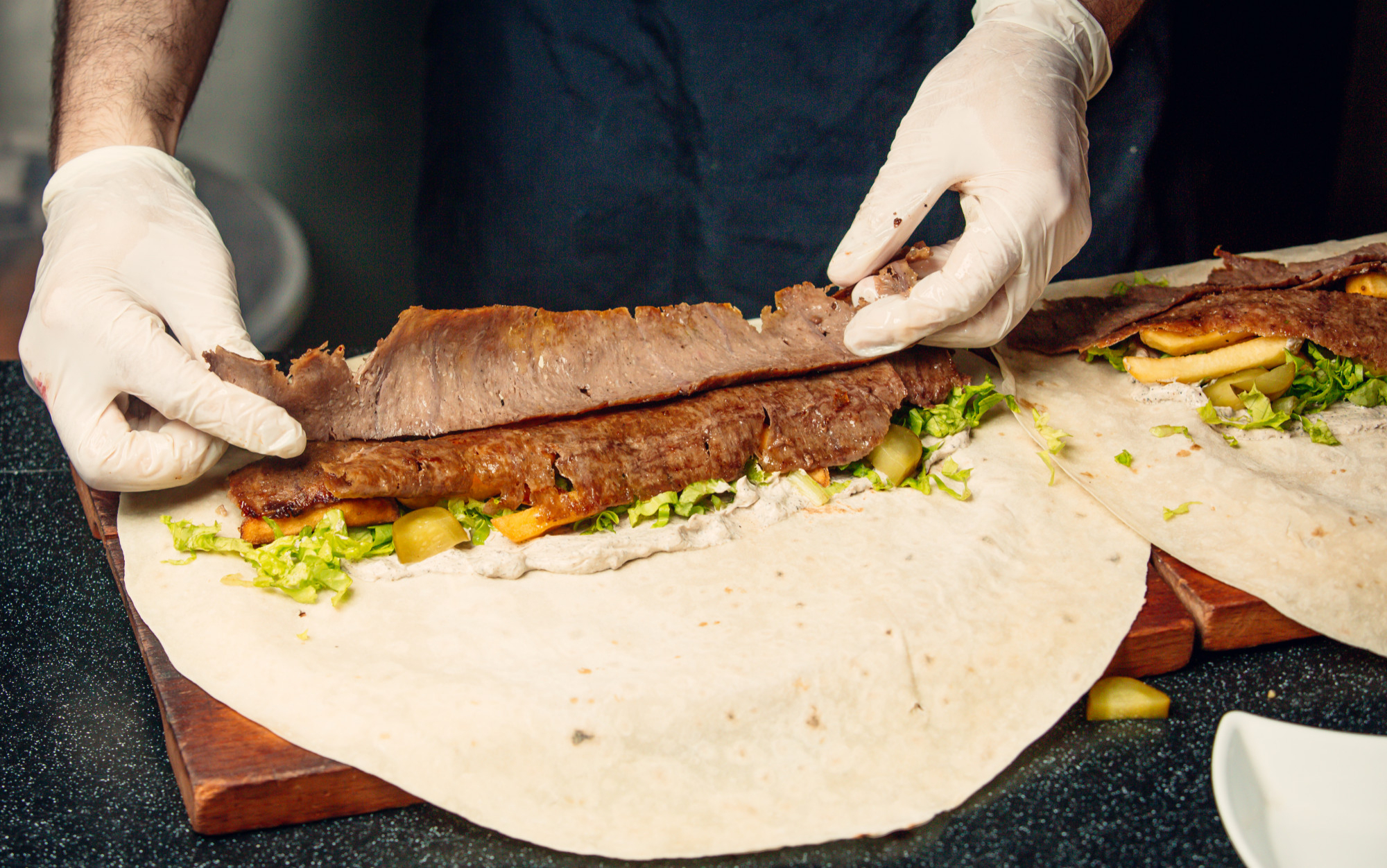
For beef or lamb shawarma, the marinade is often more robust, designed to complement the stronger flavor of the red meat. Spices like allspice, cinnamon, and cloves are often more prominent. The true artistry, however, lies in the stacking of the meat on the spit. It is not a random process. Layers of marinated meat are interspersed with layers of fat, which, as the spit rotates, melt and drip down, continuously basting the meat below. This self-basting process is the genius of the vertical rotisserie, ensuring that every sliver of meat shaved off is succulent, flavorful, and infused with its own rendered fat. The final step is the shaving itself, a skill that requires a steady hand and a long, sharp knife to slice off thin, crispy-edged pieces of meat that fall, ready to be enveloped in a warm flatbread.
The Sauces: The Soul of the Sandwich
If the meat is the heart of the shawarma, then the sauces are its soul. They provide moisture, tang, and a powerful flavor punch that ties everything together. The two undisputed kings of shawarma sauces are toum and tahini.
Toum, the legendary Lebanese garlic sauce, is the essential partner for chicken shawarma. It is a magical emulsion of garlic, oil, lemon juice, and salt, whipped into a thick, fluffy, and intensely pungent cream. A good toum is so potent that it can make your eyes water, yet so addictive that you cannot imagine a chicken shawarma without it. Its sharp, garlicky bite cuts through the richness of the chicken and fat, creating a perfectly balanced flavor profile. The quest for the best shawarma Dubai often comes down to the quality of the toum.
Tahini sauce, on the other hand, is the classic accompaniment for beef and lamb shawarma. Made from tahini paste (ground sesame seeds), lemon juice, garlic, and water, this sauce is nutty, creamy, and slightly tangy. Its earthy flavor complements the robust taste of the red meat without overpowering it. The consistency is key; it should be thin enough to drizzle but thick enough to coat the meat and vegetables, adding a luscious, creamy texture to every bite.
The Accompaniments: Texture and Freshness
A great shawarma is a study in contrasts, and the accompaniments are crucial for providing textural variety and a burst of freshness. The most important of these are the pickles. Bright pink pickled turnips and crisp pickled cucumbers provide a sharp, acidic crunch that cuts through the richness of the meat and sauces. Their vibrant color also adds a visual appeal to the wrap.
A handful of fresh parsley and thinly sliced onions add a fresh, herbaceous note, while a few slices of ripe tomato provide a juicy sweetness. And then there is the controversial yet beloved addition: a few french fries tucked inside the wrap. While not a traditional component in the Levant, the inclusion of fries has become a hallmark of the UAE shawarma. They add a soft, starchy texture and a salty kick, soaking up the sauces and juices to become delicious, flavor-packed morsels. This is a key part of the Dubai food culture surrounding the shawarma.
The Wrap: The Vessel
Finally, all of these glorious ingredients are brought together in the vessel that is the wrap itself. The bread is just as important as any other component. Typically, a fresh, soft Arabic flatbread known as khubz is used. The bread is warmed, often by being pressed against the hot shawarma cone, which makes it pliable and infuses it with the smoky aroma of the meat. It is then laid flat, slathered with sauce, filled with meat and accompaniments, and rolled into a tight cylinder. Sometimes, the finished wrap is placed on a flat-top grill or in a sandwich press for a final toasting, which crisps up the outside of the bread and melts all the flavors together. This final step is the seal of perfection on what is undeniably a masterpiece of street food engineering.
The Sociology of Shawarma: Why It Resonates So Deeply in the UAE?
The shawarma popularity UAE cannot be explained by its flavor profile alone. To truly understand its iconic status, we must look beyond the kitchen and into the social fabric of the nation. The shawarma is more than just a food; it is a social phenomenon, a cultural touchstone that reflects the unique dynamics of life in the Emirates. Its deep resonance is a result of its powerful role as a great equalizer, the ultimate convenience food, and a taste of home in a globalized world. This is the cultural significance of shawarma in Dubai and across the UAE.
The Great Equalizer: A Food for Everyone
In a society known for its luxury and opulence, the shawarma stands out as a profoundly democratic food. It is the great equalizer. You are just as likely to see a construction worker grabbing a quick shawarma for lunch as you are to see a businessman in a tailored suit pulling over his luxury car for a late-night snack. This universal appeal is a key reason why UAE loves shawarma. Its affordability and accessibility cut across all social and economic strata, making it a shared experience that unites a diverse population. In a country with over 200 nationalities, the shawarma is a common language, a simple pleasure that everyone can agree on. This unifying power is a crucial element of the cultural impact of shawarma’s popularity in the UAE.
The Ultimate Convenience Food
The UAE is a nation that moves at a relentless pace. It is a society built on ambition, efficiency, and a 24/7 work culture. In this fast-paced environment, convenience is king, and the shawarma is the ultimate convenience food. It is quick to prepare, easy to eat on the go, and provides a satisfying and substantial meal for a very reasonable price. The shawarma stand is a model of efficiency, a well-oiled machine designed to serve customers with speed and precision.
This convenience factor is particularly evident in the thriving late-night food culture UAE. After a night out, or at the end of a long shift, the glowing beacon of a shawarma spit is a welcome sight. Cafeterias and shawarma joints across the country do a roaring trade until the early hours of the morning, serving a hungry and diverse clientele. The shawarma has become the quintessential late-night meal, a delicious and comforting end to any day. This role as a reliable, round-the-clock option has cemented its place in the daily lives of the nation’s residents.
A Taste of Home in a Melting Pot
For the large Levantine expatriate community in the UAE, the shawarma is more than just a meal; it is a powerful taste of home. It is a connection to their roots, a nostalgic reminder of the streets of Beirut, Damascus, or Amman. The authentic flavors of a well-made shawarma can transport them back to their childhood, providing a sense of comfort and belonging in a foreign land.
But the shawarma’s role as a taste of home extends beyond the Arab world. As a melting pot of cultures, the UAE is home to people from all over the globe, many of whom come from countries with their own traditions of grilled meat and flatbreads. The shawarma, in its basic form, is a familiar concept to many, a culinary cousin to the Greek gyro, the Turkish doner, or the Mexican al pastor. This familiarity makes it an easy and accessible entry point into the world of Arabic street food. It is a culinary common ground, a food that is both authentically Middle Eastern and universally appealing. This ability to be both specific and universal is a key factor in the story behind shawarma’s popularity in the UAE.
The Evolution of an Icon: Shawarma in the Modern UAE
Just as the UAE is in a constant state of evolution, so too is its most beloved street food. The shawarma of today is not always the same as the one that first arrived from the Levant decades ago. While the classic preparation remains the gold standard for purists, a new generation of chefs and restaurateurs is reimagining the humble wrap, leading to an exciting evolution of shawarma in the Middle East and particularly within the UAE. This has given rise to a vibrant and sometimes contentious debate between tradition and innovation.
The most common evolution is in the bread. While khubz is traditional, many modern shawarma joints now offer a variety of options, including the larger, thinner saj bread, which results in a crispier, more tightly-packed wrap. Some have even experimented with Lebanese mountain bread or fluffy pitta. The fillings have also seen a creative expansion. It is not uncommon to find “Mexican” shawarmas with added avocado and spicy salsa, or “Indian” versions with a dash of mint chutney. The addition of cheese has also become a popular, if untraditional, modification.
This trend has culminated in the rise of the “gourmet shawarma.” High-end restaurants and trendy cafes are now putting their own sophisticated spin on the street food classic. They might use premium cuts of meat, artisanal breads, and exotic ingredients. You might find a shawarma made with wagyu beef, or a chicken shawarma with black truffle garlic sauce. While these gourmet interpretations can be delicious, they have also sparked a debate among shawarma aficionados. For the purists, a true shawarma is defined by its simplicity and its adherence to the classic formula. For the modernists, these new creations are a welcome evolution, a sign of the shawarma’s versatility and its ability to adapt to a changing culinary landscape. This ongoing dialogue is a healthy sign of the shawarma’s enduring popularity in the UAE.
The Hunt for the Perfect Wrap: Navigating the UAE’s Shawarma Scene
With a shawarma stand on almost every corner, finding the best shawarma in the UAE can be a daunting but delicious quest. It is a highly subjective topic, with every resident having their own fiercely defended favorite. However, there are a few key things to look for that separate the good from the truly great. First, look at the spit. It should be well-stacked and glistening, a sign that the meat is fresh and the fat is rendering properly. Second, observe the ingredients. The pickles should be crisp, the vegetables fresh, and the sauces should be made in-house. A great shawarma joint takes pride in every component.
While it is impossible to definitively name the single best shawarma Dubai, there are legendary institutions that have earned their reputation over decades. Places like Al Mallah and Allo Beirut are revered for their classic, no-frills approach, where the quality of the ingredients shines through. Others are famous for a specific element; one place might be known for its incredibly potent garlic sauce, while another might be celebrated for its perfectly toasted bread. The best approach for any visitor is to be adventurous. Try the famous spots, but also be willing to take a chance on a small, unassuming cafeteria. Ask for recommendations, and do not be afraid to specify how you like your shawarma—extra garlic sauce, no fries, well-toasted. The hunt for the perfect shawarma is a personal journey, and one of the most rewarding culinary adventures you can have in the UAE.
More Than Just a Sandwich, It’s a UAE Story
In the final analysis, the answer to why is shawarma so popular in the UAE? is that it is so much more than just a sandwich. It is a historical artifact, a culinary masterpiece, and a powerful social symbol. Its journey from the Ottoman Empire to the streets of Dubai is a story of migration, adaptation, and innovation. Its perfect balance of flavors and textures is a testament to the genius of street food engineering. And its ability to unite people from all walks of life makes it a living embodiment of the UAE’s multicultural spirit.
The shawarma popularity UAE is a reflection of the nation itself: it is rooted in tradition yet constantly evolving, authentically local yet universally loved. It is a food that tells a story, a story of a nation that has welcomed the world and created a vibrant, dynamic, and delicious culture in the process. The next time you unwrap a warm, fragrant shawarma, take a moment to appreciate the rich history and cultural significance of what you are about to eat. You are not just having a meal; you are tasting a piece of the UAE’s story.
