

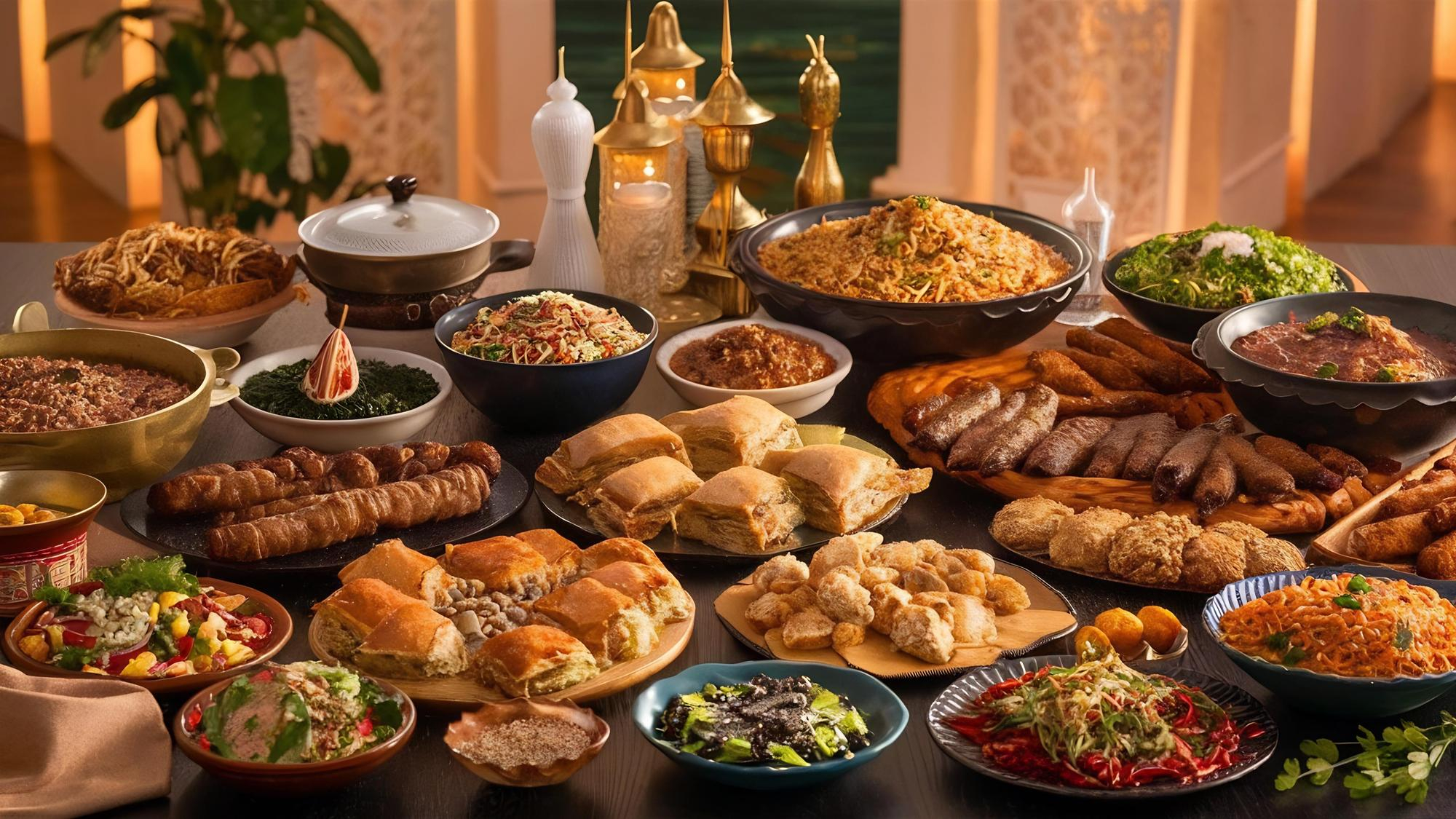
Discovering Traditional Emirati Foods Rooted in Heritage and Hospitality
Ask most visitors what they ate during a trip to the UAE, and the list will likely include shawarma, biryani, sushi, or a slice of cheesecake from a trendy café in Dubai. That is not surprising. The country has spent decades building one of the most diverse food scenes in the world, where flavors from nearly every continent sit comfortably on the same street. Beneath that variety, though, lies something quieter and far older: a set of dishes that belong to the land itself, shaped by desert life, the sea, and generations of hospitality passed down at the family table.
These are the traditional Emirati foods that rarely make it onto a typical tourist itinerary, not because they are hard to find, but because they are easy to overlook in a country known for culinary spectacle. Long before international restaurants and five-star hotel buffets defined the UAE’s reputation, Emirati households were already perfecting recipes built around dates, rice, fish, wheat, and saffron, often cooked slowly over many hours and shared among large groups. Every dish carries a story about survival in a harsh climate, about old trade routes, about the rhythms of Ramadan and Eid, and about a culture where feeding a guest well is considered a point of honor.
What follows is a closer look at ten such dishes, what they taste like, where they come from, and how to track them down today. Whether someone is visiting the Emirates for a long weekend or has lived here for years without trying a single Emirati dish, this guide offers a starting point for a more complete picture of the country’s food culture.
None of these dishes are difficult to find once a person knows what to look for, and none require a special occasion as an excuse to order them. What they do require is a willingness to step away from the international menus that dominate most tourist-facing restaurants and seek out the smaller, family-run kitchens and heritage venues where these recipes are still prepared the way they always have been. The reward is a richer, more grounded sense of the UAE, one built on flavor and family history rather than skyline alone.
Why Emirati Cuisine Deserves More Attention?
The UAE’s rise as a culinary capital is, by now, a familiar story. Within a few short decades, a market once defined by simple cafeterias and date farms grew into a stage for celebrity chefs, Michelin stars, and a restaurant scene that holds its own against London or Tokyo.
That transformation, built on multiculturalism, ambitious government investment, and an appetite for international flavors, has been traced in detail in this look at how the UAE became a global food destination. That same openness, however, has occasionally pushed homegrown Emirati dishes into the background, overshadowed by louder, more visible food trends arriving from elsewhere.
Street food tells a similar story. Few dishes capture the UAE’s multicultural character as clearly as shawarma, and the reasons behind why shawarma became so popular in the UAE reveal how a Levantine import became the country’s most beloved late-night meal. Shawarma is, without question, a UAE food icon today. It did not, however, originate on Emirati soil, and its popularity is part of the reason many visitors assume the country’s culinary identity begins and ends with imported Middle Eastern classics. Traditional Emirati cooking tells an older, quieter story, rooted in Bedouin resourcefulness, the bounty of the Arabian Gulf, and a deep respect for hospitality.
Several forces shaped this cuisine long before the UAE became a single nation:
- Bedouin traditions, which favored slow-cooked, hearty dishes that could feed large families with minimal waste.
- The sea, which gave coastal communities a steady diet of fish, shrimp, and dried seafood.
- Centuries of trade with India, Persia, and East Africa, which introduced saffron, cardamom, dried lime, and other spices now considered staples.
- Communal eating customs, where large platters are shared from a central dish rather than plated individually.
Food tourism in the region is growing quickly, and with it comes a renewed curiosity about dishes that predate the skyline. Younger Emirati chefs are also playing a part, reviving recipes that had started to fade from everyday cooking and reintroducing them through modern restaurants, pop-up dinners, and social media, often presenting century-old dishes alongside a contemporary plating style that appeals to a wider audience. The ten dishes that follow are a good place to begin exploring that revival firsthand.
1. Al Harees
Al Harees is one of the oldest and most recognizable dishes in Emirati cuisine, made from wheat and meat, usually chicken or lamb, that is slow-cooked for hours until the two ingredients merge into a smooth, almost porridge-like consistency. There is no heavy seasoning involved. The dish relies on patience rather than spice, with the meat breaking down so thoroughly that a fork is barely needed.
Its texture is soft and comforting, somewhere between a stew and a thick pudding, and it carries deep cultural weight. Al Harees is closely tied to Ramadan and Eid, when large pots are prepared to feed extended families and neighbors. Many heritage restaurants and cultural villages across the UAE still serve it during these occasions, and it remains one of the easiest traditional dishes for a newcomer to try, since its mild flavor makes it approachable even for those unfamiliar with Gulf cooking. Some cooks add a touch of cinnamon or a drizzle of ghee on top just before serving, a small flourish that turns a humble pot of wheat and meat into something closer to a celebration dish.
2. Machboos: The Emirati Spiced Rice Tradition
If there is a dish that could be called Emirati comfort food, it is machboos. Long-grain rice is cooked with meat, chicken, or fish and a blend of warm spices, often including dried lime, cinnamon, cardamom, and black lime powder, which gives the dish its distinct tang. The rice itself takes on a deep amber color as it absorbs the spiced broth, and the result is fragrant rather than fiery.
Machboos shares similarities with rice dishes found across Bahrain, Kuwait, and Qatar, all part of the same broader Khaleeji culinary tradition, but the Emirati version has its own character in how the spices are balanced and how the meat is prepared. Many residents consider it the closest thing the UAE has to a national dish, and it appears at family gatherings, weddings, and everyday dinners alike. The dish is typically served on a large communal platter, with the rice mounded high and the meat placed on top, ready to be portioned out as guests sit down together rather than plated individually in a kitchen beforehand.
Variations Across the Emirates
- Chicken machboos, the most common version, often served with a side of tomato-based daqoos sauce.
- Lamb machboos, typically reserved for larger gatherings and celebrations.
- Fish machboos, popular along the coast, using local catches such as hammour or kingfish.
3. Al Madrooba: A Taste of the Fishing Villages
Al Madrooba reflects the UAE’s coastal heritage more directly than almost any other dish on this list. Made with fish, usually salted or dried, mashed together with flour or rice and a blend of warming spices, it has a thick, almost sticky texture that is meant to be eaten with the hands and scooped up with bread.
The flavor is earthy and slightly tangy, shaped by the preserved fish at its core, a reminder of how coastal communities historically prepared seafood to last through leaner months. It is less commonly found on modern restaurant menus than machboos or harees, which makes seeking it out at a dedicated heritage eatery worth the effort for anyone interested in the more traditional, less commercialized side of Emirati cooking.
4. Luqaimat: The Sweet Bite Everyone Recognizes
Luqaimat is the dish most likely to convert a first-time taster into an Emirati food enthusiast. These small, deep-fried dough balls are crisp on the outside and pillowy soft within, drizzled generously with date syrup and finished with a scattering of toasted sesame seeds. The name itself translates to small bites, though it is rarely possible to stop at just one.
Luqaimat is especially popular during Ramadan, when stalls and home kitchens across the country prepare it fresh each evening, but it is available year-round at cafés, markets, and heritage restaurants. It also shares a table with several other beloved sweets, both Emirati and pan-Arabic, rounded up in this guide to the UAE’s top desserts and sweets, which covers everything from Luqaimat to Kunafa and Baklava in greater depth.
5. Khabees: Dates at the Center of the Table
Khabees is a dense, sweet pudding made from flour or semolina cooked with ghee, sugar, and generous amounts of date paste, then finished with a touch of cardamom. The texture is rich and slightly chewy, closer to a fudge than a traditional pudding, and it is often shaped into a smooth mound before serving.
Dates sit at the heart of Emirati hospitality, historically symbolizing both sustenance and welcome, and Khabees is one of the clearest expressions of that role in dessert form. It tends to appear on the table during specific occasions rather than as an everyday treat:
- Religious occasions such as Ramadan and Eid.
- Weddings and engagement gatherings.
- Visits from guests, where offering something sweet is considered good manners.
6. Balaleet: The Sweet and Savory Breakfast
Balaleet is one of the more unexpected dishes on this list for anyone unfamiliar with Emirati breakfast traditions. Thin vermicelli noodles are cooked with sugar, saffron, and a touch of rosewater, then topped with a thin, savory omelet. The contrast between the sweet, fragrant noodles and the plain egg layer is intentional, and it works far better than it sounds on paper.
Traditionally served at breakfast, particularly during Eid mornings, Balaleet is a good example of how Emirati cuisine often blurs the line between sweet and savory rather than keeping the two strictly separate. It remains a household staple and is increasingly appearing on hotel breakfast buffets aimed at introducing visitors to local flavors.
7. Margoogat: A Family-Style Stew
Margoogat is a hearty stew built around meat or chicken, vegetables such as pumpkin and eggplant, and small pieces of dough that are dropped into the pot toward the end of cooking, where they absorb the broth and soften into something closer to dumplings than bread. The result is filling, warming, and meant to be shared from a single large pot.
This is very much a family-table dish rather than a restaurant showpiece, prepared at home more often than served commercially, which makes it a particularly rewarding find for visitors invited to an Emirati household or for anyone exploring smaller, home-style eateries away from the main tourist areas. Recipes vary noticeably from one household to the next, with some versions leaning sweeter through the addition of pumpkin and others favoring a more savory, tomato-forward broth, a reminder that traditional Emirati cooking is rarely standardized in the way restaurant menus might suggest.
8. Al Jasheed: Everyday Rice, Everyday Comfort
Where machboos is often reserved for guests and celebrations, Al Jasheed represents the simpler, everyday side of Emirati rice cooking. It typically combines rice with fish and a lighter touch of spice, producing a dish that is comforting rather than showy. The preparation is more straightforward, with fewer steps and a shorter cooking time than its more elaborate counterparts.
Al Jasheed is a useful dish for understanding how Emirati families actually eat on a regular basis, away from the festive dishes that tend to dominate descriptions of the cuisine. It is unlikely to appear on a hotel menu, but it is sometimes found at smaller, family-run restaurants that cater to local residents rather than tourists.
9. Gers Ogaily: Spiced Bread for Sharing
Gers Ogaily is a dense, lightly sweetened bread flavored with cardamom, saffron, and a topping of nigella or sesame seeds. It has a cake-like crumb that sits somewhere between bread and dessert, making it suitable for breakfast, an afternoon snack, or alongside a pot of karak tea.
It is most often enjoyed in one of a few simple ways:
- Sliced and served plain with tea or coffee.
- Paired with a soft local cheese for a savory contrast.
- Drizzled with honey for a sweeter finish.
10. Asida: The Dessert of Celebrations
Asida is a smooth, glossy dessert made from flour cooked slowly with water until it forms a thick, elastic paste, then sweetened with date syrup or honey and infused with saffron. Its texture is unlike most Western desserts, dense and slightly stretchy rather than soft or crumbly, and it is traditionally shaped into a mound with a small well in the center for the syrup to pool.
Asida carries strong symbolic weight in Emirati culture, frequently appearing at weddings and other significant celebrations as a marker of abundance and good fortune. Trying it offers a sense of how closely food and ceremony are intertwined in Emirati tradition, where a dessert is rarely just a dessert.
Where to Experience Authentic Emirati Cuisine Today?
Finding these dishes takes a bit more intention than ordering shawarma from the nearest cafeteria, but it has become considerably easier in recent years. Dedicated Emirati restaurants in heritage areas such as Dubai’s Al Fahidi Historical Neighbourhood, alongside cultural villages and museums in Abu Dhabi and Sharjah, are among the most reliable places to start. Seasonal food festivals, particularly those held around Ramadan and National Day, also tend to showcase traditional dishes that rarely appear on everyday menus.
The setting matters as much as the menu in many of these spaces, since many heritage-focused restaurants lean on traditional seating, soft lighting, and majlis-style décor to make the meal feel as authentic as the food itself, a principle examined more closely in this piece on how ambience and interior design shape customer experience in restaurants.
Increasingly, travelers find these spots through Instagram and TikTok rather than guidebooks, and the restaurants serving traditional Emirati food have noticed. A breakdown of how UAE food businesses use social media effectively notes that even small, family-run Emirati eateries are now investing in a consistent online presence to reach exactly this kind of curious, food-focused visitor.
Once at the table, language and unfamiliar dish names can still be a hurdle. Many heritage restaurants have begun replacing printed menus with digital QR-code menus, which make it far easier for first-time visitors to browse translated descriptions and photos of dishes like Margoogat or Al Madrooba before deciding what to order. That visual element matters more than it might seem. Part of why dishes such as Luqaimat or Asida travel so well on social media comes down to professional food photography, which has helped traditional Emirati dishes look just as enticing online as the international cuisines the UAE is better known for.
A few practical pointers help separate the genuinely authentic from the tourist-oriented:
- Look for restaurants with Emirati ownership or family recipes passed down through generations, rather than generic Arabic restaurants that group everything under one menu.
- Visit during Ramadan or National Day, when traditional dishes are far more likely to be on offer.
- Ask local residents or hotel staff for recommendations away from the main tourist strips, since the most authentic spots are rarely the loudest ones online.
- Check whether a restaurant participates in local heritage festivals or cultural events, which is often a sign that it takes its Emirati menu seriously rather than treating it as an afterthought.
Tips for First-Time Tasters of Emirati Food
A little cultural awareness goes a long way when sitting down to a traditional Emirati meal, particularly one shared communally.
- Many dishes, especially rice-based ones, are traditionally eaten with the right hand from a shared platter, so following the lead of an Emirati host is generally the safest approach.
- Hospitality customs run deep, and it is common to be offered more food than expected; accepting a small portion graciously is usually appreciated more than declining outright.
- During Ramadan, eating and drinking in public during daylight hours is restricted, so traditional dishes are best experienced at iftar gatherings after sunset.
- Approaching unfamiliar combinations, such as the sweet and savory pairing in Balaleet, with curiosity rather than hesitation tends to lead to a far better first impression of the cuisine.
Why These Ten Dishes Still Matter on the UAE’s Modern Table?
The UAE’s food scene will likely keep growing louder, more international, and more photogenic with each passing year. None of that changes what sits underneath it. Al Harees, Machboos, Khabees, and the other dishes covered here represent a culinary identity that predates the skyscrapers and continues quietly alongside them, sustained by families who still cook the way their grandparents did.
There is also a practical case for paying attention to this side of the country’s food culture. As more travelers arrive specifically in search of authentic, lesser-known experiences rather than another international brand they could find at home, the restaurants and home cooks keeping these recipes alive stand to benefit from the attention. Supporting them, whether through a single meal at a heritage venue or a recommendation passed along to another traveler, helps ensure these dishes remain part of daily life in the UAE rather than fading into something only read about rather than tasted.
Seeking out these flavors offers something that no five-star brunch can fully replicate: a direct connection to the people and history behind the modern UAE. The next visit to a heritage restaurant, a Ramadan night market, or simply an Emirati friend’s home is a chance to taste that history firsthand, one plate of Machboos or one syrup-soaked Luqaimat at a time.
