

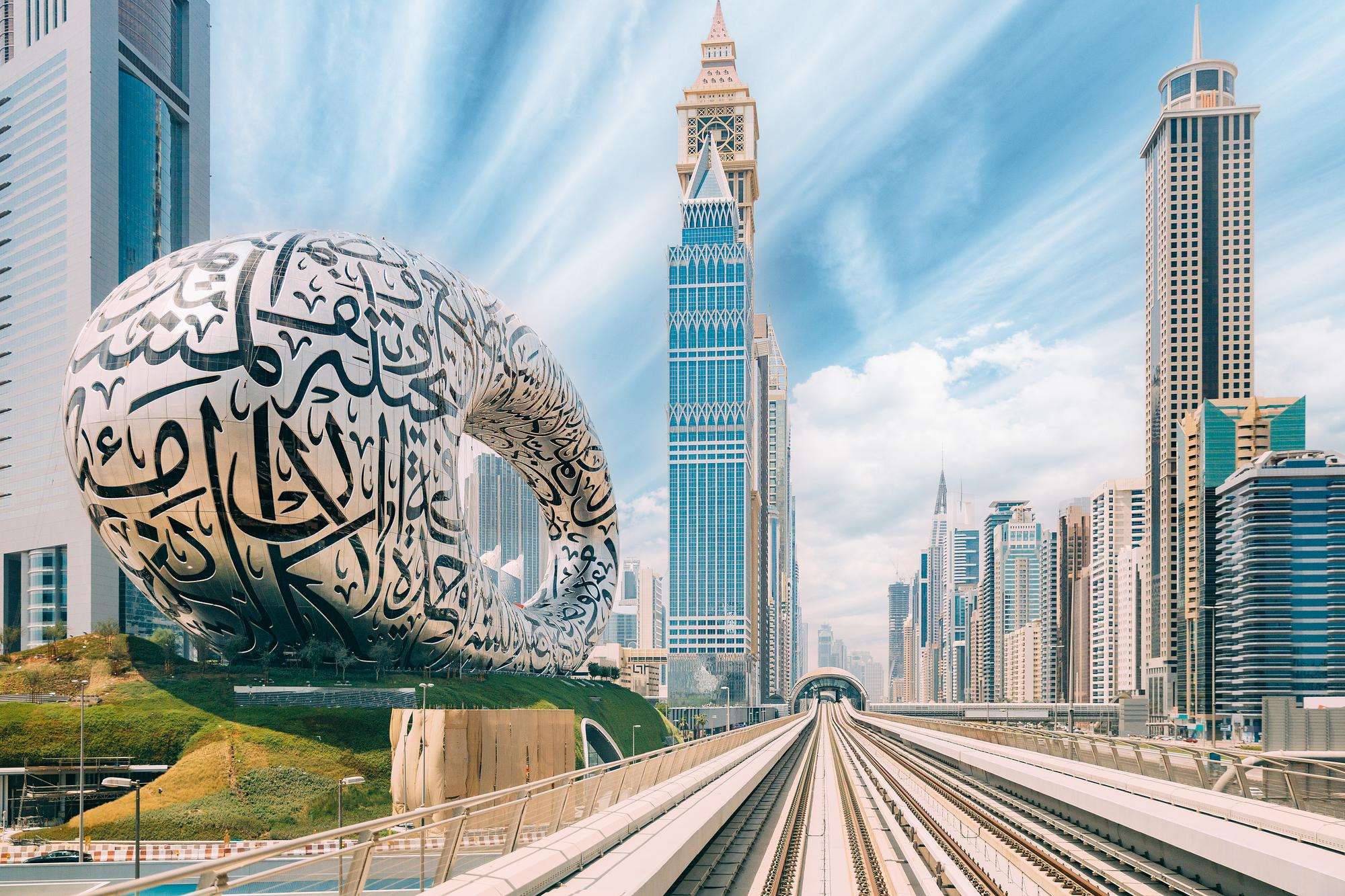
The Search for Dubai’s Most Instagram-Worthy Spots Starts Here
Somewhere between the moment a plate lands on the table and the first bite, a lot of people in Dubai now reach for their phone instead of their fork. It is not vanity so much as habit. The city has built an entire dining culture around the idea that a meal should look as good as it tastes, and in plenty of cases, look even better. For visitors trying to plan a trip around the most photogenic stops, and for residents who simply want their feed to reflect the city they live in, finding the right Instagram-worthy spots in Dubai has become part of the experience itself, not an afterthought tacked on after dinner.
This shift did not happen by accident. The way people in the UAE decide where to eat has changed quite dramatically over the past few years, moving away from word-of-mouth and printed guides toward a scroll-first approach where a single photo can do more convincing than a five-star review ever could. A diner scrolling through Instagram on a Thursday evening is far more likely to choose a restaurant based on how a dish looks under soft lighting than on a written description of its ingredients. Before getting into the specific places worth visiting, it helps to understand why Dubai, more than almost any other city in the region, has become this kind of visual playground for food lovers, photographers, and casual diners alike.
What follows is a tour through the categories that tend to deliver the best results: rooftops with skyline views, cafes built around a single signature visual, dessert spots that treat presentation as performance, waterfront and creekside settings, and a few heritage corners that offer something the glass towers simply cannot. Along the way, there are practical notes on timing, lighting, and etiquette that make the difference between a forgettable shot and one that actually stops the scroll.
Why Dubai Keeps Showing Up On Everyone’s Feed?
There is a reason Dubai dominates so many travel and food feeds compared to cities of a similar size. A few things are happening at once: a young, highly connected population, a constant flow of tourists looking for “must-visit” stops before they even land, and restaurant owners who understand that design is now part of the menu rather than an afterthought to it.
A lot of this comes down to where people are actually looking for inspiration in the first place. Search behaviour on platforms like TikTok and Instagram has overtaken traditional search engines for a meaningful share of UAE consumers, particularly younger diners who are more likely to type a hashtag into a search bar than open Google Maps. That shift rewards venues that look striking in a six-second clip or a single square photo, which is part of the reason so many Dubai restaurants design their interiors with a phone camera in mind, not just a dining experience in the traditional sense.
This pattern is not limited to a handful of viral restaurants either. A growing number of Instagram-first restaurants across the UAE now build their entire concept, from the lighting to the plating to the staff uniforms, around the question of how it will look once it has been posted. Walls painted in saturated colour, neon signage, oversized florals, dramatic plating with smoke or edible gold leaf — none of this is random. It is deliberate, and more often than not, it works exactly as intended.
There is also a simple economic logic behind it. High disposable incomes, a mature creator economy, and a retail culture built around malls and waterfront promenades have created the perfect conditions for visually driven dining to thrive. A restaurant that photographs well does not just attract one visit; it attracts a stream of repeat visits from people who saw someone else’s post first and wanted their own version of it.
The Role of Tourists and First-Time Visitors
Tourists play an outsized role in keeping this cycle going. Many first-time visitors to Dubai arrive with a shortlist of places pulled directly from Instagram, often before they have even booked a hotel. A restaurant or cafe that earns a reputation for being photogenic tends to stay relevant for years, simply because new visitors keep discovering it through the posts of people who came before them. This creates a kind of self-sustaining loop: a great photo brings a new visitor, that visitor takes their own photo, and the cycle continues with very little additional marketing required from the venue itself.
Rooftop Restaurants Built for Skyline Shots
Few things photograph better in Dubai than the skyline itself, and several restaurants have built their entire identity around giving guests that exact view. Above Eleven, perched fourteen floors above West Palm Beach on Palm Jumeirah, pairs a Pan-Asian and Peruvian menu with panoramic views that make even a casual dinner look like a magazine spread. The terrace at golden hour, just before the city lights take over from the fading daylight, is consistently one of the better windows for a shot that captures both the sky and the skyline in the same frame.
CÉ LA VI, on the 54th floor of Address Sky View, offers a slightly different kind of drama. Its widely recognised swing seat, suspended against a backdrop of Downtown Dubai, has become something of a visual signature for the venue, regularly turning up in feeds well beyond the people who actually dined there that night. Closer to the water, CouCou Dubai sits 52 storeys up on the Palm Tower, giving a 360-degree view that takes in Palm Jumeirah and the wider coastline in a single sweep, while Zeta Seventy Seven, on the 77th floor of Address Beach Resort, frames Ain Dubai, Bluewaters Island, and JBR Beach all at once.
For something with a more theatrical edge, Amaya, found on the second floor of Dubai Mall, blends an indoor lounge inspired by an Asian garden with an open-air terrace, giving guests the option of softer, diffused lighting indoors or a brighter, more dramatic outdoor backdrop depending on the mood they are after. Atelier M at Pier 7 takes a similar layered approach across three floors, mixing an Art Deco-inspired lounge with a rooftop terrace overlooking the marina skyline.
Timing the Shot: Sunset, Lighting, and Angles
Booking a rooftop table for sunset is one of the simplest ways to improve a photo without touching a single editing tool afterwards. The transition from daylight to a fully lit skyline tends to happen within roughly twenty to thirty minutes after sunset, and that window produces some of the most balanced lighting available anywhere in the city, soft enough to avoid harsh shadows but bright enough that the skyline is not lost in darkness. Reservations for this slot tend to fill quickly, especially between November and March, when the weather makes outdoor terraces far more comfortable than during the peak summer heat.
A few practical habits make a real difference here. Asking for a table near the edge of the terrace, rather than one tucked further back near the kitchen or bar, usually means a cleaner, unobstructed view. Most rooftop venues also enforce a smart casual dress code, which is worth checking before arrival, since it shapes more than comfort; it shapes how the entire photo looks once people are sitting at the table. Shorts, flip-flops, and beachwear are typically not permitted at these upscale settings, and some venues, including ultra-premium spots like At.mosphere, expect a more formal standard altogether.
Cafes That Look Like They Were Designed for a Camera
Rooftops are not the only category doing the heavy lifting here. Dubai’s cafe scene has, in many ways, pushed interior design even further than its restaurants have, with entire spaces built around a single signature visual that guests are practically expected to photograph.
EL&N London in DIFC is probably the most recognisable example, with saturated pink walls, neon signage, and floral installations that have made it something of a shorthand for “Instagrammable cafe” across the wider region. Forever Rose Café takes a completely different approach, using black-and-white hand-drawn interiors that make the whole space feel like a sketchbook brought to life, a contrast that tends to make food and drinks pop against the monochrome backdrop behind them. Saya Brasserie leans into floral elegance instead, with lush arrangements and pastel furniture that photograph well in almost any lighting condition, whether that is midday sun or the softer glow of evening service.
For something quieter, %Arabica’s minimalist white-and-bronze interiors offer a cleaner, more editorial look that suits close-up shots of coffee and pastries far better than wide interior shots. Boston Lane, tucked into Al Quoz’s creative district, mixes hanging greenery with patterned details for a more textured, artistic feel that tends to photograph beautifully in natural daylight. Tania’s Teahouse in Downtown Dubai sticks to soft pink tones and playful, quote-covered walls that suit a more lighthearted, colourful feed, while Secret Garden by L’ETO leans on hanging plants and vintage furniture for a calmer, nature-inspired escape from the city outside.
A small habit that consistently helps across all of these spots: arriving within the first thirty minutes of opening tends to mean cleaner backgrounds, softer natural light, and far less waiting for a free table or an empty corner to shoot in. Weekday mornings, before the lunch rush sets in, are generally the most forgiving time slot for anyone trying to get a clean shot without other guests wandering into frame.
Dessert Spots Worth Stopping For
Desserts have become something of their own genre within Dubai’s visual food culture, often outperforming main courses in terms of how frequently they get photographed and shared. There is a reason for that. A dessert is usually the last thing served, the moment when guests have already relaxed into the meal and have time to actually compose a shot rather than rushing through dinner.
Yuki No Hana, tucked into the heritage district of Al Seef, specialises in Japanese-inspired desserts, with kakigori, a finely shaved ice dessert, presented in colours and textures that look almost sculptural against the simplicity of the bowl it sits in. Closer to the mall scene, Black Tap’s oversized milkshakes, piled with toppings that spill well beyond the rim of the glass, have become something of a Dubai dining rite of passage for visitors chasing a specific, slightly chaotic kind of photo. GOSSIP, known for its chocolate cake and now-iconic signage, fits a similar category, where the dessert and the backdrop behind it are equally part of the appeal.
For something with more local roots, Hakiki’s baklava and Turkish desserts, served alongside Turkish tea, lean into texture and detail rather than spectacle, with layers of filo pastry and crushed pistachio that hold up beautifully under close-up macro shots. What ties all of these together is not just sugar. It is presentation treated as a deliberate strategy, where a dish is built knowing it will be photographed before it is eaten, sometimes leading diners to wait several extra minutes before taking that first bite, simply to get the framing right.
Waterfront and Creekside Settings With a Different Kind of View
Not every memorable shot in Dubai needs a skyline in the background. Some of the city’s most photogenic dining spots lean on water instead, offering a softer, more relaxed kind of visual compared to the high-rise drama found elsewhere in the city.
Al Seef, stretched along Dubai Creek, blends restored heritage architecture with a modern waterfront promenade, giving it a layered look that works equally well for a daytime stroll or an evening dinner. Restaurants along the creek, including Skafos and Doors Freestyle Grill, combine outdoor terrace seating with views of traditional dhows drifting past on the water, a contrast between old and new that feels fairly unique to this particular stretch of the city. Yuki No Hana, mentioned earlier for its desserts, sits within the same district, making it easy to combine a dessert stop with a creekside walk in a single outing.
Further along the coast, Pierchic extends out over the water on a wooden pier near the Burj Al Arab, with sunset views that consistently rank among the most requested in the entire city, particularly for guests celebrating a special occasion. La Mer offers a more casual, beach-facing alternative, with a wide range of dining options spread along its boardwalk and direct access to the open shoreline behind it. Atelier M and several other venues at Pier 7 in Dubai Marina round out this category, combining a marina-facing terrace with a more contemporary, fine-dining feel than the heritage charm of Al Seef.
Heritage Corners That Photograph Like a Different Era
For a slower, more textured kind of photo, Dubai’s heritage districts offer something the glass towers simply cannot replicate. Al Fahidi, with its wind-tower architecture and narrow sandstone alleyways, looks almost untouched by the city’s modern skyline, making it a favourite for anyone chasing a more cultural, story-driven shot rather than a glossy, high-rise one.
Within Al Seef’s heritage section, traditional courtyards, wooden dhows, and Arabian-style tents create a backdrop that contrasts sharply with the high-rise dining scene found elsewhere in the city, and that contrast is often exactly what makes the resulting photo interesting to look at twice. Restaurants here, including Bayt Al Wakeel, occupy genuinely historic buildings, adding a layer of authenticity that newer, purpose-built venues cannot quite replicate no matter how carefully they are designed.
These spots tend to reward patience over speed. A quiet alley in Al Fahidi in the early morning, before the heat and the crowds arrive, often produces a far more compelling shot than the same location photographed at midday, when both the light and the foot traffic work against a clean composition.
Getting the Shot Right: Practical Tips for Photographing Dubai’s Dining Scene
A few habits separate a forgettable photo from one that actually gets noticed. Natural light remains the most reliable tool available, so requesting a table near a window or shooting during golden hour will almost always outperform flash or artificial lighting, regardless of how nice a venue’s interior lighting design happens to be. Shooting from slightly above the plate, rather than straight on, tends to capture texture and colour more accurately, especially for dishes with layered or sculptural presentation, like the desserts mentioned earlier in this guide.
Photos are no longer the only currency that matters here, either. Short-form video, whether a quick Reel or a behind-the-scenes clip of a dish being plated, now carries just as much weight as a still photo when it comes to how a venue actually gets discovered online. A short clip of a drink being poured or a dessert being revealed tends to perform just as well, sometimes better, than a single polished photo, since it gives viewers a sense of movement and atmosphere that a static image cannot fully capture.
Once a place earns a spot on someone’s feed, the gap between seeing it online and actually booking a table has gotten noticeably shorter too. Many of Dubai’s more photogenic restaurants now let guests book a table directly through Instagram, skipping the usual back-and-forth of searching for a website or picking up the phone, which matters when the urge to visit hits while someone is still scrolling through their feed late at night.
A short list of habits worth keeping in mind during any photo-focused visit:
- Book sunset slots well in advance for rooftop venues, especially during the cooler months between November and March.
- Arrive shortly after opening at cafes for cleaner backgrounds, softer light, and shorter waits for a good table.
- Be mindful of other diners; a quick photo should not turn into a prolonged setup that disrupts the table next to you.
- Check dress codes ahead of time for upscale rooftop and lounge venues, since most enforce a smart casual minimum.
- Mix wide interior shots with close-up detail shots rather than relying on a single angle for an entire visit.
- Capture a few seconds of video alongside still photos, since both formats tend to serve different purposes online.
What This Visual Obsession Means for Dubai’s Restaurant Industry?
The appetite for Instagram-worthy spots in Dubai is not just a tourist trend passing through; it has quietly reshaped how restaurants and cafes operate on a daily basis. Interior design now competes with the menu itself for budget and attention, and staff are increasingly trained to anticipate which corners of a venue guests will want to photograph, sometimes even guiding first-time visitors toward the best lighting or angle without being asked.
This visual focus also tends to pair with practical technology working quietly in the background. A growing number of venues now use QR code menus and similar digital tools to keep the in-person experience as smooth as the online one, letting guests scan a code at the table instead of waiting for a printed menu to arrive. This matters more than it might seem at first glance, since a restaurant’s online presence is often polished enough to set fairly high expectations before a guest has even walked through the door, and a clunky, outdated experience once they arrive can undercut all of that careful visual branding in a matter of minutes.
For restaurant owners and hospitality professionals, the lesson here extends well beyond aesthetics. A photogenic space can drive genuine footfall, but it tends to work best when paired with food and service that hold up once the camera goes back in the pocket. The most enduring spots on this list are rarely just the ones with the best lighting; they are the ones where the visual appeal and the actual dining experience reinforce each other rather than compete.
The Last Bite: Turning a Good Photo Into a Great Memory
Chasing the perfect shot is part of the fun of exploring Dubai’s food scene, but the spots that tend to stay memorable are rarely just the ones with the best lighting. The rooftop with a view, the cafe with the floral wall, the dessert built like a small sculpture — all of it works better when there is something genuinely worth tasting behind the photo. A good meal, captured well, tends to outlast a feed full of likes, mostly because the memory attached to it is real rather than borrowed from someone else’s post.
For anyone planning a trip around Dubai’s most photogenic corners, the better approach is usually to pick two or three categories rather than trying to cover everything in a single day, whether that means one rooftop dinner, one cafe stop, and one heritage walk spread across an afternoon and evening. Dubai’s dining scene rewards exactly that kind of pacing: enough time to get the shot, and just as much time to actually enjoy what is sitting on the plate in front of it.
