

Exploring Ras Al Khaimah: The UAE’s Rising Adventure and Nature Destination
Less than an hour’s drive from Dubai’s skyline, the UAE quietly turns into something else entirely. Jagged mountain ridges cut against the sky, wadis carve through red rock, and a coastline stretches out largely untouched by high-rise development. This is Ras Al Khaimah, the northernmost emirate, and for years it sat comfortably in the shadow of its more famous neighbors. That’s changing fast.
Ras Al Khaimah adventure tourism has become one of the more interesting stories in the UAE’s travel scene over the past several years, built not around shopping malls or man-made islands but around the emirate’s actual geography — its mountains, deserts, and beaches. For travelers who’ve already covered the Burj Khalifa and the theme parks, or who simply want a different pace to their UAE trip, Ras Al Khaimah offers something the rest of the country doesn’t quite have in the same concentration: genuine outdoor adventure alongside a slower, more grounded sense of place.
This guide walks through exactly what makes the emirate worth the drive — the mountain adventures at Jebel Jais, the desert and coastal landscapes, the heritage sites still standing quietly in the background, and the practical details that make planning the trip straightforward rather than a guessing game.
Why Ras Al Khaimah Adventure Tourism Is Gaining Momentum?
Ras Al Khaimah adventure tourism didn’t happen by accident — it’s the result of deliberate investment in exactly the kind of experiences Dubai and Abu Dhabi can’t easily replicate.
A Different Side of the UAE
While Dubai built its reputation skyward and Abu Dhabi leaned into culture and heritage on a grand scale, Ras Al Khaimah had something neither could fully claim: the Hajar Mountains running along its eastern border, alongside beaches, desert, and mangroves, all within a compact, easily explored footprint. That geography makes it possible to zipline down a mountain in the morning and watch the sunset over the Arabian Gulf the same evening, a combination few destinations anywhere can offer within a single day.
Growing Infrastructure and Investment
New hotel openings, an expanding adventure park at Jebel Jais, and steady investment from the emirate’s tourism authority have turned what was once a quiet detour into a genuine travel destination in its own right. This pattern of diversification fits into the broader shift toward niche and experience-driven travel taking shape across the UAE, rather than tourism built solely around luxury shopping and five-star skylines.
A major integrated resort development on Al Marjan Island has drawn considerable regional attention in recent years, but the more telling sign of RAK’s tourism ambitions is the steady, less headline-grabbing investment in trail markers, adventure park upgrades, and eco-lodge development across the desert and mountain areas — the kind of infrastructure that matters more to a returning adventure traveler than a single flagship project ever could.
That instinct extends beyond just adventure infrastructure. Travelers exploring Dubai for the first time often stick to a familiar checklist of malls and skyscrapers, while Ras Al Khaimah offers an entirely different kind of first impression, one built around landscape rather than architecture.
Jebel Jais — The UAE’s Adventure Capital
Jebel Jais, the UAE’s tallest mountain, has become the single biggest reason adventure travelers now put Ras Al Khaimah on their itinerary at all.
Jais Flight, the World’s Longest Zipline
Stretching for roughly two and a half kilometers down the mountainside, Jais Flight has been marketed as the world’s longest zipline since it opened, with riders reportedly reaching speeds well over 100 kilometers per hour on the descent. The ride lasts only a few minutes, but the view along the way — the Hajar Mountains falling away beneath the harness — is the kind of moment that ends up on the front page of most visitors’ trip photos. Riders travel in a seated, superman-style harness rather than the more common seated sling used on shorter ziplines elsewhere, which adds to the sense of genuinely flying down the mountainside rather than simply sliding along a cable.
Via Ferrata, Zipbike, and Mountain Trails
Beyond the zipline, Jebel Jais offers a via ferrata route — a protected climbing path with steel cables and rungs that lets non-technical climbers scale sections of the mountain safely — along with the Jais Sledder toboggan track and a mountain bike trail network suited to different skill levels. Hiking trails of varying difficulty wind through the same terrain for visitors who’d rather take the mountain in at a slower pace, on foot, without the harness.
Exploring Ras Al Khaimah’s Natural Landscapes
Beyond the mountain itself, Ras Al Khaimah’s desert and wadi landscapes offer a version of the UAE’s outdoors that feels considerably less crowded than what’s on offer closer to Dubai.
Al Wadi Desert and Wadi Shawka
The Al Wadi Desert reserve spreads across protected dunes home to Arabian oryx and gazelle, with eco-lodges positioned to let guests wake up looking directly out over the sand rather than a resort pool. Wadi Shawka, further toward the mountains, offers a rockier, greener contrast — a seasonal streambed lined with palm trees that turns into a popular off-road and picnic spot once the cooler months set in. Compared to the desert safari experience most visitors associate with Dubai, Ras Al Khaimah’s desert areas tend to feel noticeably quieter and less commercialized, even during peak season.
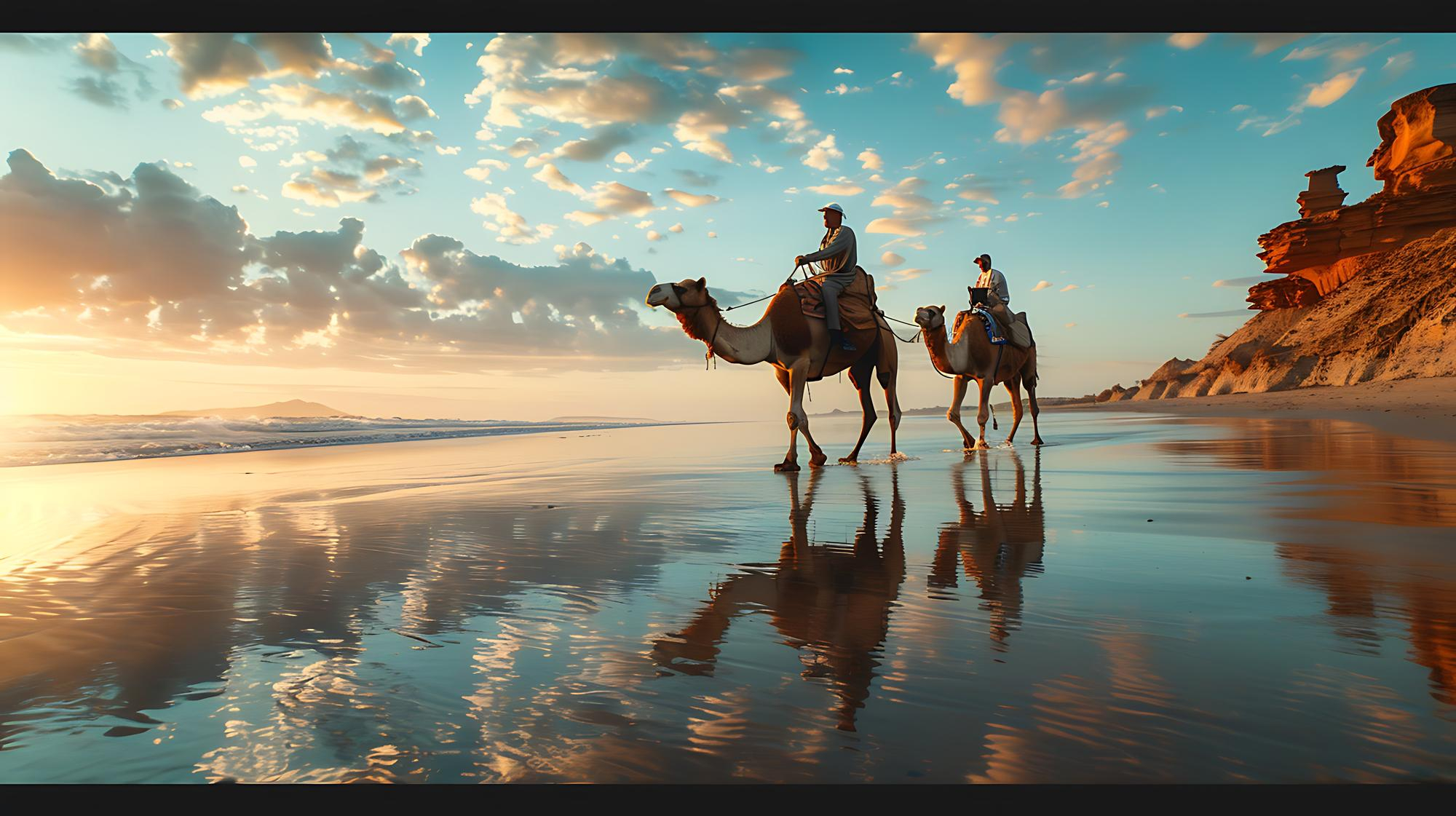
Guided dune-bashing tours run through the reserve for visitors who want the adrenaline of steep sand descents without navigating unfamiliar terrain alone, while quieter options like a sunset camel trek or a simple evening drive to watch the light change over the dunes suit travelers looking for something calmer. Stargazing here benefits from the same lack of light pollution that makes the desert camps popular overnight stays, with the Milky Way visible on clear nights in a way it rarely is anywhere closer to Dubai’s glow.
Dayah Waterfall and the Hajar Mountains
After heavy rainfall, Dayah Waterfall becomes one of the more unexpected sights in the UAE — water cascading down a rocky mountainside in a country more commonly associated with desert than waterfalls. Even outside of rainy periods, the surrounding Hajar Mountains offer some of the most dramatic scenery in the country, with switchback roads leading to viewpoints that regularly show up among the UAE’s most photographed and shared travel spots, despite sitting well outside Dubai itself.
The mountains here don’t try to compete with Dubai’s skyline, and that’s exactly the point. Ras Al Khaimah’s appeal has never been about matching the city — it’s about offering something the city was never built to have.
Beaches and Coastal Escapes
Ras Al Khaimah’s coastline moves at a noticeably calmer pace than the beach clubs and crowds further south in Dubai.
Al Marjan Island and Public Beaches
Al Marjan Island, a man-made peninsula lined with resorts, has become the emirate’s main beachfront hub, offering the kind of five-star waterfront experience travelers associate with Dubai’s coastline but at a noticeably quieter pace. Beyond the resorts, several public beach access points along the coast give visitors a low-cost way to enjoy the same waterfront without a resort day pass, an option that fits naturally alongside the UAE’s better family-friendly beach spots found elsewhere in the country.
Water Sports and Marine Activities
Kayaking through the emirate’s mangrove channels, stand-up paddleboarding along calmer stretches of coastline, and dolphin-watching boat trips round out the water-based side of a Ras Al Khaimah trip. Diving and snorkeling operators run trips to nearby reef sites as well, offering a quieter alternative to the more heavily trafficked dive spots further down the UAE coast. The mangrove kayaking routes in particular tend to surprise first-time visitors, winding through narrow channels lined with dense greenery that feels a world away from the beach resorts just a short paddle behind them.
Heritage and Culture Alongside the Adventure
Ras Al Khaimah’s history runs deep enough that the adventure tourism boom sits alongside, rather than replaces, a genuinely old cultural identity.
Dhayah Fort and the National Museum
Dhayah Fort holds the distinction of being the only fort in the UAE built on a hilltop rather than flat ground, and the climb up rewards visitors with sweeping views across the plains toward the coast. In town, the National Museum of Ras Al Khaimah, housed in a former royal palace, walks through the emirate’s pearling, fishing, and trading history well before oil and tourism reshaped the region’s economy.
Traditional Villages and Local Markets
Jazirat Al Hamra, an abandoned pearling village on the coast, remains one of the best-preserved traditional Gulf settlements anywhere in the UAE, its coral-stone buildings largely untouched since residents moved out decades ago. Wandering its quiet, narrow lanes gives a far more tangible sense of pre-oil Gulf life than any museum display could manage, and the village occasionally doubles as a filming location precisely because so little of it has changed. Back in the city center, local souks offer a smaller-scale, less touristy alternative to the sprawling markets further south, worth a slow wander for anyone wanting a break from the day’s more physical activities.
Where to Eat After a Day of Adventure?
A day spent ziplining, hiking, or wadi bashing tends to build exactly the kind of appetite Ras Al Khaimah’s food scene is well equipped to satisfy.
Emirati cuisine remains at the heart of the emirate’s dining scene, and travelers curious about where to experience authentic Emirati flavors properly will find several long-standing local restaurants serving dishes rarely seen on international menus. For visitors wanting a broader introduction before diving in, a short primer on the traditional dishes most worth trying at least once makes ordering considerably less intimidating. Beyond Emirati food, the emirate’s beach resorts and mountain-adjacent cafés round out the scene with everything from fresh seafood on the coast to hearty, mountain-view breakfasts near Jebel Jais, the kind built specifically with hungry hikers in mind.
Smaller family-run restaurants scattered through the city center tend to serve some of the most reliably good grilled seafood and slow-cooked meat dishes in the emirate, often at a fraction of resort prices, though they rarely show up prominently in search results the way beachfront venues do. Asking a hotel concierge or a local guide for a personal recommendation frequently turns up a better meal than anything found through a quick online search alone.
Practical Travel Tips for Visiting Ras Al Khaimah
A little planning goes a long way toward making the most of a Ras Al Khaimah trip, particularly for the more physical activities.
Best Time to Visit
November through March offers the most comfortable weather for outdoor activities, with cooler temperatures making the zipline, hiking trails, and desert excursions far more enjoyable than during the intense summer heat. Jebel Jais does run noticeably cooler than the coast year-round thanks to its elevation, which makes it a slightly more forgiving option even for a shoulder-season visit. Public holidays and weekends during these cooler months tend to draw the biggest crowds to Jebel Jais specifically, so a weekday visit generally means shorter waits at the more popular attractions.
Getting There From Dubai and Abu Dhabi
Ras Al Khaimah sits roughly 45 minutes to an hour’s drive from Dubai and around two hours from Abu Dhabi, making it an easy day trip or a worthwhile overnight addition to a longer UAE itinerary. Ras Al Khaimah International Airport has also been steadily adding direct routes, giving travelers the option to fly in directly rather than routing everything through Dubai first.
- Book adventure activities ahead of time: Jais Flight and other Jebel Jais attractions can sell out on weekends and public holidays, especially during the cooler months.
- Rent a car for full flexibility: Public transport options are limited outside the city center, and a car makes it far easier to combine mountain, desert, and coastal stops in one trip.
- Pack for temperature swings: Mountain elevations run noticeably cooler than the coast, particularly in the early morning and evening.
- Bring sun protection regardless of season: Desert and mountain sun exposure adds up quickly even on cooler days.
- Consider RAK as a budget-friendly alternative: Accommodation and dining costs generally run lower than equivalent options in Dubai, echoing the kind of smart, budget-conscious travel tips that apply just as well north of the city.
- Check activity-specific health guidance: The via ferrata and longer hiking trails involve genuine physical exertion in heat and elevation, so travelers with relevant health considerations are generally advised to check with the operator beforehand.
Where to Stay? From Mountain Retreats to Beach Resorts
Accommodation in Ras Al Khaimah spans a wider range than most first-time visitors expect, from beachfront luxury to quiet desert isolation.
Al Marjan Island hosts the emirate’s biggest concentration of beach resorts, several offering the kind of private-villa, adults-focused stays that regularly appear alongside the UAE’s top honeymoon and romantic getaway options. Inland, boutique desert camps near Al Wadi offer a genuinely different pace, with tented suites and minimal light pollution making for some of the clearest night skies anywhere in the country. For travelers on a tighter budget, the city center offers straightforward, well-priced hotels within easy reach of both the coast and the mountain road up to Jebel Jais.
A Sample Two-Day Ras Al Khaimah Itinerary
Putting all of this together into an actual plan helps turn a long list of attractions into a trip that actually flows.
Day one works well built around Jebel Jais: an early start beats both the heat and the weekend crowds, leaving the morning free for Jais Flight, the via ferrata, or a hike along one of the mountain’s trails. Lunch at one of the mountain-adjacent cafés, with the Hajar range still visible from the table, sets up an easy afternoon drive back down toward Wadi Shawka or the Al Wadi Desert for a slower-paced dune drive or a short camel trek before sunset.
Day two shifts the pace toward the coast and the emirate’s history. A morning at Dhayah Fort and the National Museum covers the cultural side before the afternoon opens up for Al Marjan Island — whether that means a resort day pass, a swim at a public beach, or a kayak trip through the mangroves. Travelers with time for a third day often use it to explore Jazirat Al Hamra’s abandoned village and the local souks at a slower, more unstructured pace, without a fixed list of attractions to work through.
Frequently Asked Questions About Visiting Ras Al Khaimah
A few questions come up often enough from first-time visitors planning a Ras Al Khaimah trip to deserve direct answers.
Is Ras Al Khaimah worth visiting on a short UAE trip?
Yes, even as a single day trip from Dubai or Abu Dhabi. A morning at Jebel Jais followed by an afternoon on the coast or in the desert covers a meaningful cross-section of what the emirate offers, though an overnight stay allows for a noticeably more relaxed pace.
Do visitors need a car to explore Ras Al Khaimah properly?
A car makes the trip considerably easier, since the mountain, desert, and coastal attractions sit a reasonable drive apart from each other and public transport coverage outside the city center is limited. Organized day tours from Dubai are also widely available for visitors who’d rather not drive themselves.
Is Jebel Jais suitable for visitors who are afraid of heights?
The zipline is genuinely intense and not the right choice for anyone with a serious fear of heights, but Jebel Jais offers plenty beyond it — hiking trails, viewpoints accessible by car, and cafés with mountain views — that don’t require going anywhere near the harness.
What should first-time visitors know about local customs in Ras Al Khaimah?
Ras Al Khaimah follows the same general cultural norms as the rest of the UAE: modest dress in public areas away from resort pools and beaches, respectful behavior during prayer times, and no public consumption of alcohol outside licensed venues. Locals are generally warm toward visitors who make a reasonable effort to respect these norms.
How many days should be set aside for a Ras Al Khaimah trip?
Two full days cover the highlights comfortably — one centered on Jebel Jais and the desert, another split between the coast and cultural sites. Visitors with a particular interest in hiking, diving, or a slower pace overall often extend that to three or four days without running out of things to do.
Why Ras Al Khaimah Deserves a Spot on Every UAE Itinerary?
Ras Al Khaimah’s rise hasn’t come from trying to out-build Dubai or out-culture Abu Dhabi. It’s come from leaning fully into what the emirate already had — mountains, desert, coastline, and a slower pace — and building the infrastructure to let visitors actually experience all of it properly. For travelers willing to drive an hour outside the city, the reward is a side of the UAE that rarely makes it onto the postcards but tends to make it into the best stories from the trip.
What makes the emirate genuinely stand out isn’t any single attraction on its own, but how naturally they connect to each other within such a short distance. Few places allow a traveler to hike a mountain trail, cross a desert reserve, wander an abandoned pearling village, and fall asleep to the sound of waves, all within the same 48 hours and without ever needing to change hotels.
The UAE’s skyline gets the photographs. Ras Al Khaimah’s mountains, desert, and coastline are where the actual adventure happens.
Whether the plan is a single adrenaline-filled day at Jebel Jais or a longer stay split between the mountains and the coast, Ras Al Khaimah offers a version of the UAE that rewards a bit of extra effort with something genuinely different from the rest of the country.
