

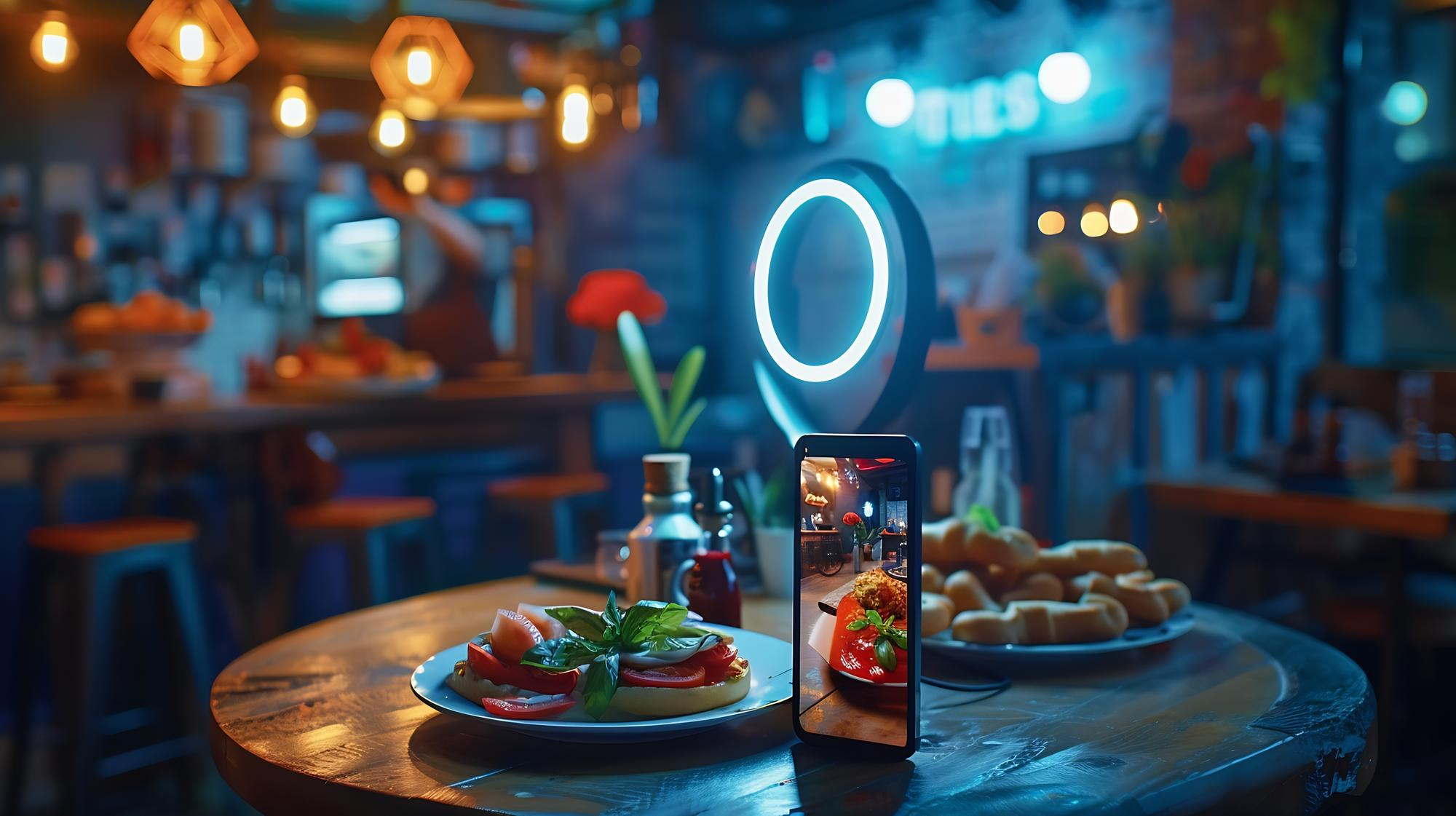
Why the Right Restaurant Marketing Ideas Matter More Than Ever in the UAE
Opening a restaurant in the UAE is the easy part; getting people through the door, again and again, is where the real work begins. Every month brings new openings, new concepts and new “must-try” dishes competing for the same diners. In a country that has become one of the world’s fastest-growing restaurant markets, great food alone rarely fills a dining room.
How people choose where to eat has also changed. A diner in Dubai Marina or Al Reem Island is far more likely to discover a restaurant through a short video, a Google search or a friend’s story than through a newspaper ad. Social platforms are now central to restaurant discovery, and viral dishes can shift demand almost overnight. That makes marketing less about shouting louder and more about showing up in the right places, consistently.
This guide brings together 25 practical restaurant marketing ideas shaped around the UAE market. Rather than presenting a random list, the ideas are grouped by the job each one does:
- Get found
Make sure hungry people can find you on Google, maps and delivery apps. - Get talked about
Build a social presence that people actually want to follow and share. - Fill tables in key seasons
Plan around Ramadan, the winter season and the slower summer months. - Bring guests back
Turn first-time visitors into regulars who recommend you to others.
Not every idea will suit every restaurant. A neighbourhood shawarma spot and a fine-dining venue in DIFC need different approaches. For owners wondering how to get more customers to a restaurant in Dubai, Abu Dhabi or Sharjah, the answer is rarely one tactic. It is about picking the ideas that fit your concept and carrying them out well.
Getting the Foundations Right Before You Promote
Marketing amplifies whatever is already there, so the foundations need attention first. A clever campaign cannot fix an unclear concept or confusing pricing, and it can actually draw attention to the problem.
Know Exactly Who You Are Feeding
The UAE’s dining audience is remarkably diverse. Residents, tourists, office workers, families, students and night-owl delivery customers all behave differently. A café near a business district lives on weekday breakfasts and quick lunches. A family restaurant in a residential community peaks on weekend evenings. A beachfront venue may rely heavily on tourists during the winter season.
Before spending a single dirham, define your main audience in plain terms: who they are, where they live or work, when they eat out and what they care about. A simple description such as “young professionals within 5 km who order dinner on weeknights and want healthy options” makes every later decision sharper, from the platforms you use to the offers you create.
Be Clear About What Makes You Worth the Visit
Every successful restaurant can answer one question in a single sentence: why here? It might be a signature dish, an authentic regional cuisine, a view, a price point or an atmosphere. Whatever it is, it needs to sit at the heart of your marketing. Building a clear, memorable restaurant brand around that answer gives every post, offer and campaign a consistent thread, which makes the restaurant far easier to remember.
Set a Marketing Budget You Can Sustain
Many restaurants spend heavily at launch and then go quiet, which is when momentum fades. A steadier approach is to set aside a fixed share of monthly revenue for marketing, often a small single-digit percentage for established venues and more during the first months after opening. Working from a simple, step-by-step marketing budget helps owners split money sensibly between always-on activity, such as social content and search, and short bursts, such as seasonal campaigns. The good news is that many of the strongest restaurant marketing ideas for small budgets cost more time than money.
Ideas to Help Diners Find Your Restaurant
If diners cannot find you at the exact moment they are hungry, every other marketing effort works harder than it needs to. These first ideas focus on visibility.
1. Treat Your Google Business Profile Like a Second Storefront
When someone searches “Italian restaurant near me” or “best biryani in Sharjah,” the Google map listings usually appear before anything else. That listing is often a diner’s first impression, so it deserves the same care as your entrance. The basics of optimising a Google Business Profile make a noticeable difference:
Complete every field
Opening hours, phone number, menu link, booking link, price range, dietary options and accessibility details.
Upload fresh photos regularly
Bright, current images of dishes, the interior and the exterior so people recognise the place when they arrive.
Post updates
Share offers, events and new dishes through the profile’s posts feature.
Answer reviews and questions
Quick, polite replies show that someone is paying attention.
2. Win “Near Me” Searches With Local SEO
Beyond the profile itself, search engines look at how consistent and relevant your information is across the web. Strong local search optimisation includes matching your name, address and phone number everywhere it appears, earning reviews, and getting listed on trusted local directories and food platforms. It also means writing website content that naturally mentions your area and cuisine. Owners who invest in local SEO for restaurants often find it delivers steady, free traffic for years, which makes it one of the most valuable low-cost restaurant promotion ideas available.
3. Make Booking and Ordering Effortless on Your Website
Your website does not need to be elaborate, but it must load fast on a phone and answer the basics within seconds: what you serve, where you are, when you are open and how to book or order. Put the menu in an easy-to-read format, avoid heavy PDF downloads, and add one-tap buttons for calling, WhatsApp, directions and reservations. Every extra step loses a few potential guests along the way.
Try this: Ask three friends to find your menu and make a booking on their phones while you watch. Wherever they hesitate is exactly what needs fixing.
4. Stand Out on Delivery Apps
For many UAE restaurants, delivery platforms such as Talabat, Deliveroo, Careem and Noon Food account for a large share of revenue. These apps are also crowded marketplaces, so presentation matters. High-quality photos, clear item names, well-priced bundles and strong ratings all affect where you appear and whether people tap through. Restaurants focused on winning more delivery orders also pay close attention to packaging, delivery times and order accuracy, because each one feeds directly into ratings.
A useful habit is to include a small card in every delivery bag with a QR code linking to your own ordering channel or loyalty offer. Over time, this shifts some regular customers away from commission-heavy platforms and towards a direct relationship with you.
Ideas That Get People Talking Online
Social media is where many UAE diners decide where to eat next, often before they even feel hungry. The following social media marketing ideas for UAE restaurants focus on content people actually want to watch, not just a feed of plates.
1. Lead With Short-Form Video on Instagram
Instagram remains the main window for most UAE restaurants, and short-form video is what drives reach. Reels showing a dish being plated, cheese being pulled, a grill flaring or a dessert being sliced tend to outperform static images. The most successful Instagram-first restaurants treat their feed as an ongoing story about the food, the people and the experience, not a digital menu.
Try this: Choose one “hero” dish and film it from three angles in natural light. That single session can produce a week of Reels, Stories and posts.
2. Use TikTok to Show Personality, Not Just Plates
TikTok rewards authenticity over polish. Content that performs well often features staff, kitchen humour, honest reactions, “rating our own menu” challenges or the story behind a family recipe. Restaurants that focus on turning TikTok views into bookings keep a clear call to action in their profiles and captions, such as a booking link or a “show this video for a free dessert” offer, so attention becomes footfall.
3. Don’t Ignore Snapchat’s Local Audience
Snapchat is often overlooked by restaurant marketers, yet it has a strong following in the Gulf, particularly among young Emiratis and Arab residents. Location-based filters, behind-the-scenes Snaps and Spotlight videos can reach diners who spend far less time on other platforms. For restaurants targeting a local Arab audience, Snapchat’s highly engaged audience is worth testing with a modest budget.
4. Plan Content Ahead With a Simple Calendar
The biggest social media problem for most restaurants is not ideas; it is inconsistency. Posting daily for two weeks and then disappearing for a month confuses both algorithms and followers. A social media content calendar solves this by mapping out themes in advance, such as menu highlights on Mondays, team stories mid-week and weekend specials on Fridays. Seasonal moments can be slotted in weeks ahead rather than rushed at the last minute.
5. Invest in Food Photography That Makes People Hungry
Photos appear everywhere: Google, delivery apps, social media, your website and printed menus. Dim, blurry or inconsistent images quietly turn people away. A single session of professional food photography can supply months of high-quality visuals, and the investment often pays for itself through higher click-through rates on delivery apps alone. Day-to-day phone content still has its place, especially for authentic Stories, but your core menu deserves images that do it justice.
Diners eat with their eyes long before they taste anything. If the photo does not make someone hungry, the menu rarely gets a second look.
Partnership and Community Ideas
Some of the most effective ways to promote your restaurant involve borrowing trust from people and businesses your audience already follows. Partnerships can extend your reach well beyond what your own channels achieve.
1. Work With Creators the Right Way
Food creators remain a powerful discovery channel across the Emirates, and well-planned influencer marketing for restaurants in the UAE can bring a visible rush of new guests. The key is choosing creators whose audience actually matches your diners. A micro-creator with 15,000 engaged local followers often drives more bookings than a celebrity with a large but scattered international audience.
Track every collaboration with a unique discount code, a dedicated booking link or a simple “mention this video” offer. That makes measuring the real return on influencer campaigns possible instead of relying on likes and views.
Since February 1, 2026, anyone publishing promotional content on social media from within the UAE, whether paid or unpaid, must hold a valid Advertiser Permit issued by the national media regulator. Before confirming any collaboration, including a gifted meal, ask the creator for their permit number. Licensed creators display it on their profiles.
2. Partner With Neighbouring Businesses
Gyms, offices, hotels, salons, co-working spaces and residential community groups all serve people who need to eat. Simple partnerships can work well for both sides:
Office partnerships
A weekday lunch discount for employees of nearby companies, verified with a staff card.
Fitness tie-ins
A post-workout bowl offer for members of a local gym, with your menu displayed at reception.
Hotel concierge relationships
A tasting invitation for concierge teams, who recommend restaurants to guests every day.
Community groups
Exclusive offers shared through residents’ groups in nearby towers or villa communities.
These are classic restaurant marketing ideas to increase footfall because they put your name in front of people who are already within walking or short driving distance.
3. Host Small Events That Give People a Reason to Come In
Events create urgency. A monthly chef’s table, a live cooking session, a quiz night, a kids’ pizza-making class or a tasting evening for a new menu gives people a reason to choose your restaurant on a specific date. Even small events generate fresh content, encourage social sharing and help build a loyal community. Keep them simple, repeatable and easy to promote.
Try this: Pick one weekday that is usually quiet, such as Tuesday, and anchor a small monthly event to it. A slow night then becomes a reason to visit rather than a problem to discount.
Seasonal Restaurant Promotion Ideas for the UAE Calendar
The UAE dining calendar has its own rhythm, and restaurants that plan around it consistently outperform those that react at the last minute. These seasonal restaurant promotion ideas are built around that rhythm.
4. Build a Proper Ramadan Plan
Ramadan changes dining habits completely. Daytime trade slows down, while evenings become the busiest time of day. Strong Ramadan marketing ideas for restaurants usually include:
Iftar set menus
Clearly priced packages, from dates and soup to mains and traditional desserts.
Suhoor offerings
Late-night menus for those who prefer to gather after Taraweeh prayers.
Corporate and group iftars
Packages for companies and large families, promoted several weeks in advance.
Delivery iftar boxes
Ready-to-share boxes timed to arrive just before sunset.
Eid celebrations
Special menus or family offers for the holiday that follows.
Messaging during Ramadan should be warm, respectful and focused on togetherness and generosity rather than aggressive discounts. Planning should begin well before the month starts, since many groups book early.
5. Make the Most of the Winter Outdoor Season
From roughly October to April, outdoor seating becomes one of the UAE’s biggest dining attractions. Restaurants with terraces, gardens or waterfront views should feature them prominently in their marketing, through sunset content, outdoor brunch packages and “first terrace weekend of the season” announcements. Winter also brings tourists and major city festivals, so it is the right moment to increase ad spend and creator activity.
4. Give Diners a Reason to Visit in Summer
Summer is traditionally the slow season, as many residents travel and those who remain prefer indoor plans. Instead of going quiet, smart restaurants use summer to build loyalty. Ideas include residents-only offers, cool-down menus with lighter dishes, family deals during school holidays, indoor workshops and stronger delivery promotions. A loyal summer crowd often becomes the base that carries a restaurant through the rest of the year.
7. Celebrate the Moments Your Community Celebrates
The UAE is home to more than 200 nationalities, and each community has its own celebrations. Eid Al Etihad, the UAE’s National Day, is a natural moment for Emirati-inspired dishes and patriotic touches. Depending on your audience, Diwali sweets, Christmas set menus, Lunar New Year specials, Onam sadya or Valentine’s dinners may also resonate strongly. The key is authenticity: choose occasions your guests genuinely care about and mark them thoughtfully. A café with a large Indian clientele might create a limited Diwali sweets box for gifting, while a European bistro might focus on festive set menus in December. The occasion should feel like a natural fit, not a forced promotion.
Ideas That Turn First Visits Into Regulars
Attracting a new guest costs far more than bringing back an existing one, yet many restaurants spend almost all of their marketing effort on acquisition. These ideas focus on keeping guests once they arrive.
1. Launch a Loyalty Program People Actually Use
The best loyalty programs are simple. A digital stamp card, points that turn into free dishes, or exclusive member perks such as early access to new menus are all easy to understand. Complicated schemes with confusing tiers rarely get used. Well-designed loyalty programs that turn first visits into lasting relationships also capture valuable guest data, including names, birthdays and visit frequency, which powers later campaigns.
2. Use WhatsApp for Orders, Offers and Reminders
WhatsApp is part of daily life in the UAE, which makes it one of the most natural channels for restaurant communication. Owners who invest in setting up WhatsApp ordering can take direct orders without platform commissions. A WhatsApp Business account can also confirm reservations, share the weekly special and send birthday offers to opted-in guests. The golden rule is permission: only message people who have agreed to hear from you, and keep the frequency reasonable.
3. Turn Reviews Into a Marketing Asset
Reviews influence decisions more than almost any advertisement. Encourage happy guests to leave a review with a gentle reminder from staff or a QR code on the bill folder. Reply to every review, positive or negative, in a calm and professional tone. Thoughtful reputation management also means sharing your best reviews on social media and in delivery listings, and using critical feedback to fix real issues.
4. Personalise the Experience With Guest Data
Remembering a regular’s favourite table, a child’s allergy or a couple’s anniversary turns a meal into an experience. Reservation and CRM tools make this possible at scale. Notes can be added to guest profiles, birthdays can trigger offers, and lapsed guests can receive a “we miss you” message after a set period. For example, a guest who celebrated a birthday dinner last year might receive a message two weeks before this year’s date, with a complimentary dessert waiting if they book again. Personal touches like these build loyalty that discounts alone cannot buy.
In-Restaurant Marketing Ideas Owners Often Overlook
Some of the most powerful marketing happens after the guest has already sat down. These ideas increase spending and encourage return visits without any ad budget.
1. Let the Menu Do Some of the Selling
A menu is a sales tool, not just a list of prices. Through menu engineering, restaurants can analyse which dishes are both popular and profitable, then use layout, descriptions and placement to highlight them. Short, sensory descriptions, boxed “chef’s recommendations” and fewer, better-organised categories can noticeably lift average spend per table.
2. Put QR Codes to Work at Every Table
A table QR code can do far more than display a menu. It can link to your Instagram, open a review page, invite guests to join the loyalty program or offer a discount on their next visit. Using QR codes built for restaurants, especially dynamic codes whose destination can be changed without reprinting, lets one table card serve different campaigns throughout the year. Scan data also reveals which offers people actually engage with.
3. Train Staff to Be Your Best Marketers
Servers talk to more guests every day than any advertisement reaches. Training staff to recommend signature dishes, mention upcoming events, invite guests to follow on social media and suggest the loyalty program turns every shift into a marketing opportunity. A friendly recommendation from a knowledgeable server feels like hospitality, not sales, which is exactly why it works.
Paid Advertising Ideas That Stretch Every Dirham
Organic efforts build long-term strength, but paid advertising delivers speed and precision when used wisely. These restaurant advertising ideas keep budgets focused.
1. Run Tightly Targeted Meta Ads
Facebook and Instagram advertising allows restaurants to target people by location, age, interests and behaviour. For most venues, the smartest approach is a tight radius around the restaurant, often just a few kilometres, combined with ads scheduled around meal decision times, such as late morning for lunch and late afternoon for dinner. Strong Meta ads for restaurants use eye-catching video, a single clear offer and a direct booking or ordering link. Retargeting people who have already visited your profile or website is often where the best returns are found.
2. Capture Hungry Searchers With Google Ads
Google Ads place your restaurant at the top of search results when people are actively looking, for example “seafood restaurant Abu Dhabi corniche” or “late night delivery JLT.” Because these searchers already intend to eat, conversion rates can be high. Keep campaigns focused on specific cuisines and locations, use call and location extensions, and exclude irrelevant searches to avoid wasted spend. A modest daily budget is enough to learn which keywords bring calls and bookings, and spending can then follow the results rather than guesswork.
How to Measure Which Ideas Are Working
Marketing without measurement is guesswork, and guesswork is expensive. Each idea should be tied to a clear goal and a small number of metrics. The table below offers a simple starting framework:
| Goal | What to Track | Where to Find It |
| Discovery | Profile views, search impressions, map direction requests | Google Business Profile insights |
| Engagement | Reach, saves, shares, video views, follower growth | Instagram, TikTok and Snapchat analytics |
| Bookings and orders | Reservations, website orders, promo code redemptions | Booking system, POS and delivery dashboards |
| Retention | Repeat visit rate, loyalty sign-ups, review volume and rating | CRM, loyalty platform and review sites |
Review these numbers monthly rather than daily, and look for trends over time. If a channel consistently delivers results, invest more. If it consistently underperforms after a fair trial, adjust or drop it. Across the restaurant stories and industry shifts that FnB Insight follows, one pattern keeps repeating: the restaurants that grow are rarely those doing everything, but those measuring a few things carefully and acting on what they learn.
Common Restaurant Marketing Mistakes to Avoid
Even the best ideas can fall flat when common mistakes creep in. Watch out for these:
Trying every platform at once
Spreading effort thinly across six channels usually produces weak results everywhere. Master two or three first.
Discounting too deeply
Constant heavy discounts attract bargain hunters rather than loyal guests and can damage how people value your food.
Ignoring negative reviews
Silence suggests indifference. A calm, helpful reply can actually build trust.
Inconsistent branding
Different logos, tones and visual styles across platforms make a restaurant harder to remember.
Overpromising in ads
If the dish in the advert looks nothing like the one on the table, the review will say so.
Skipping the basics
Wrong opening hours, broken booking links and outdated menus quietly cost more customers than any competitor.
Choosing the Ideas That Fit Your Restaurant
The most successful UAE restaurants do not use every marketing idea; they use the right ones, consistently. Twenty-five ideas can feel overwhelming, but no restaurant needs all of them at once.
A practical starting point is to choose three or four proven restaurant marketing ideas that match your biggest gap. If people cannot find you, start with Google and local SEO. If they find you but do not book, focus on content, photography and offers. If they visit once and never return, build loyalty, WhatsApp communication and review management. Give each idea a fair trial, measure it honestly and build from what works.
Learning how to promote a restaurant in the UAE is not about chasing every trend. It is about understanding diners, showing up where they are looking and giving them a reason to return. Restaurants that combine great food with steady, thoughtful marketing are the ones still busy long after the opening buzz has faded.
Frequently Asked Questions
What are the most effective restaurant marketing ideas in the UAE?
The most consistently effective ideas are an optimised Google Business Profile, short-form video on Instagram and TikTok, strong delivery app listings, a simple loyalty program and well-planned Ramadan and seasonal campaigns. The right mix depends on your concept, location and audience.
How much should a restaurant spend on marketing?
Many established restaurants allocate a small single-digit percentage of monthly revenue to marketing, while new openings often invest more during their first few months. The most important factor is consistency, so choose an amount you can sustain every month.
Do restaurants need permits to work with influencers in the UAE?
The permit requirement applies to the person publishing the content, but restaurants are expected to make sure their creators are compliant. Since February 1, 2026, anyone publishing paid or unpaid promotional content on social media from within the UAE must hold a valid Advertiser Permit. Restaurants should confirm a creator’s permit number before agreeing to any collaboration, including gifted meals.
How can a small restaurant compete with big chains?
Small restaurants win through personality, community and personal service. Authentic social content, strong local SEO, neighbourhood partnerships and genuinely personal guest experiences are areas where independent venues often outperform large brands with bigger budgets.
How long does it take for restaurant marketing to show results?
Paid ads and creator collaborations can produce visible results within days. Local SEO, social media growth and loyalty programs usually take three to six months of consistent effort to build real momentum, but their impact lasts much longer.
