

Finding the Top Japanese Restaurants in the UAE, From Omakase Counters to Ramen Bars
Finding the Top Japanese Restaurants in the UAE, From Omakase Counters to Ramen Bars
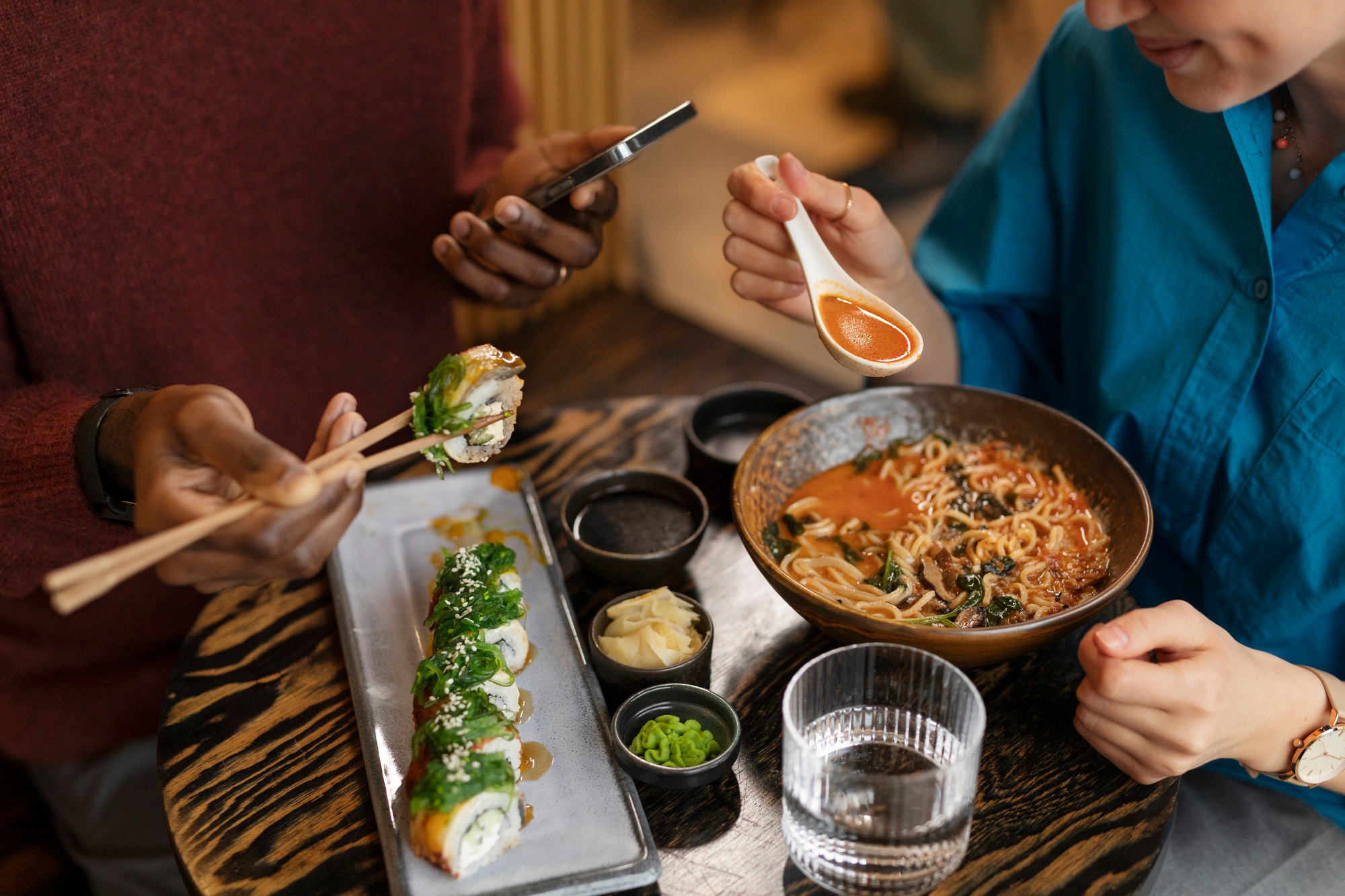
“Japanese restaurant” covers an enormous range in the UAE today, from a nine-seat sushi counter with a waiting list to a casual bowl of ramen at a neighborhood izakaya, and most lists don’t bother distinguishing between them. Both Dubai and Abu Dhabi have built out serious Japanese dining scenes over the past decade, part of the broader story of how the UAE built its reputation as a global food destination, but “serious” here means different things depending on the restaurant. Some chase the full omakase experience, chef’s counter and all; others focus on getting a bowl of ramen genuinely right, which turns out to be a much narrower skill than most menus suggest.
This guide sorts through the UAE’s top Japanese restaurants in the UAE by what they actually do best, starting with Dubai’s Michelin-recognized tables, moving through the big international names, then narrowing in on where to actually find serious ramen, before covering Abu Dhabi’s parallel scene and closing with practical advice on choosing between them. None of it assumes prior familiarity with omakase etiquette or ramen terminology — the goal is simply to point toward the right kitchen for whatever the occasion actually calls for.
Why the UAE’s Japanese Dining Scene Has Grown So Fast?
A decade ago, “Japanese food in Dubai” mostly meant a hotel sushi counter; today it means an entire ecosystem stretching from Michelin-level ambition down to neighborhood ramen bars. Part of that shift tracks with the country’s rapid emergence as one of the world’s fastest-growing restaurant markets, which pulled in chefs and restaurant groups from Tokyo, Los Angeles, London, and beyond, all competing for the same increasingly discerning audience. The arrival of the Michelin Guide in Dubai in 2022, followed by Abu Dhabi the following year, accelerated the shift further, giving both emirates an internationally recognized benchmark and giving ambitious Japanese restaurants a very specific target to aim for.
The UAE’s specific mix of residents also shaped the demand in ways that pure tourist traffic wouldn’t have. A large, food-literate expatriate population with direct exposure to Tokyo, Singapore, and Los Angeles dining scenes created genuine pressure for authenticity rather than a watered-down hotel version of Japanese cuisine, and restaurant groups responded by bringing in chefs with real pedigree rather than simply slapping a sushi menu onto an existing kitchen.
Sushi and Ramen Are Two Different Skills
It’s worth pausing on why this list splits sushi and ramen apart so deliberately, rather than treating “Japanese food” as one category. Sushi lives and dies on ingredient quality and knife work — the fish itself, its freshness, and the precision of the cut do most of the talking, which is why omakase counters built entirely around a chef’s judgment have become the format’s highest expression. Ramen works on an almost opposite logic: it’s a dish of accumulation, built over hours through a broth that’s been simmered, skimmed, and balanced long before a single bowl goes out, with the noodles, tare, and toppings all needing to work in concert rather than any single element carrying the dish alone.
That difference explains why so few restaurants genuinely excel at both. A kitchen built around a sushi counter’s rhythm of small, precise orders doesn’t necessarily have the equipment, staffing, or patience for a ramen broth that needs to simmer since early morning, and vice versa. It’s part of why this guide treats them as separate categories rather than assuming a restaurant’s sushi quality says anything reliable about its ramen, or the other way around.
Dubai’s Michelin-Recognized Japanese Tables
Hōseki — Bulgari Resort Dubai
Dubai’s only Michelin-starred Japanese restaurant sits on Jumeirah Bay Island, inside the Bulgari Resort. Hōseki — the name means “gemstone” — seats a small group of diners around a counter for an omakase experience led by sixth-generation sushi master Chef Masahiro Sugiyama, who builds each menu around the day’s best ingredients from Tokyo’s fish markets rather than a fixed printed list. The minimalist counter room reflects how a restaurant’s ambience and interior design shape the overall dining experience as much as any plate that comes out of the kitchen, and it has held a Michelin star every year since Dubai’s guide launched in 2022, making it one of the more consistent names among the city’s top sushi restaurants in the UAE.
Kinoya — The Greens
Kinoya took a very different route to recognition, earning a Michelin Bib Gourmand and a top-ten finish on MENA’s 50 Best Restaurants list under chef Neha Mishra, known locally as Dubai’s “ramen queen.” The izakaya-style venue built its following on sold-out supper clubs before opening a permanent home in The Greens, and its spicy miso ramen with chicken broth remains one of the more talked-about bowls in the city.
TakaHisa
Recognized in the Michelin Guide’s selection, TakaHisa focuses on omakase and premium wagyu, with ingredients brought in directly from Japan and a kitchen led by chefs specializing specifically in that format. It occupies a similar tier to Hōseki without quite the same level of exclusivity, making it a slightly more attainable option for a special-occasion omakase night, particularly for groups larger than the handful of seats a counter like Hōseki can accommodate.
Dubai’s Big-Name and Contemporary Japanese Restaurants
Beyond the Michelin-recognized tier, several restaurants have built genuine followings on scale, spectacle, and consistency rather than a formal accolade — and several count among the must-try Japanese restaurants in the UAE regardless of star status.
Zuma — DIFC
Zuma helped define contemporary Japanese dining well beyond Dubai, and its DIFC location remains one of the city’s most reliably busy restaurants years after opening, particularly for after-work drinks that stretch into a full dinner. The robata grill anchors the menu, and the level of polish extends well beyond the food itself — the kind of guest experience that UAE hotels and restaurants have spent years refining is very much on display here, from the pacing of courses to how the room itself is managed on a packed Thursday night.
Nobu — Atlantis The Palm
Nobu’s Japanese-Peruvian fusion has become such a familiar format globally that it’s easy to forget how distinctive it once was. The Atlantis The Palm location adds panoramic views of the Palm and Dubai Marina skyline to the formula, joining a broader Dubai tradition of pairing serious food with equally serious views, and draws a lively mix of residents and visitors throughout the week rather than skewing toward one or the other.
Mimi Kakushi — Four Seasons Jumeirah
Built around a 1920s Osaka theme, Mimi Kakushi leans on sushi, robata, and clay-pot cooking, with a black cod dish that’s become something of a signature and a beachfront setting that suits both a date-night dinner and a larger group booking. It won Time Out Dubai’s Best Japanese Restaurant award in 2022, and its weekend brunch has become a draw in its own right, separate from the regular dinner service.
Dragonfly — The Lana
Dragonfly blends Japanese technique with wider Pan-Asian influences inside a dramatic space built around soaring ceilings and a suspended sculpture of the restaurant’s namesake insect. The room does a lot of the initial work — it fits neatly into the pattern of UAE restaurants winning attention through highly shareable interiors — but the menu, developed with chef Reif Othman, holds up well enough that the restaurant isn’t relying on professional food photography alone to carry it.
Where to Find Real Ramen in Dubai?
Sushi tends to dominate “Japanese restaurant” lists, but ramen is a genuinely different discipline, and only a handful of Dubai kitchens treat it as the main event rather than a menu afterthought.
Reif Japanese Kushiyaki — Dar Wasl
Reif has been named the city’s best ramen by more than one local critic, served in a relaxed, open-kitchen setting that feels considerably more casual than its reputation might suggest. The restaurant’s approach favors straightforward execution over reinvention, which is part of why the ramen in particular has held up so consistently across reviews written years apart.
Daikan Izakaya — City Walk
Originally built around the ramen that established its reputation in the UAE, Daikan Izakaya has since expanded into a broader izakaya menu — Wagyu teppanyaki, a Daikan smash burger — without losing the dish that got it noticed in the first place. The mood stays relaxed and energetic rather than reverential, closer to a night out than a special-occasion dinner, which puts it firmly among the more approachable authentic Japanese restaurants in the UAE on this list.
Kinoya, covered above for its Michelin recognition, deserves a second mention here specifically for its ramen — between Kinoya, Reif, and Daikan, Dubai has quietly built a genuine three-way rivalry for the city’s best bowl.
Abu Dhabi’s Japanese Dining Scene
Abu Dhabi’s Japanese restaurants have followed a parallel but distinct path from Dubai’s, with its own Michelin Guide since 2023 and a noticeably different set of standouts among the capital’s most popular restaurants generally — its leading Japanese restaurants in the UAE reputation built more on quiet consistency than headline-grabbing openings.
Otoro — Al Maqta’ Street
Otoro has earned a Michelin Bib Gourmand for three consecutive years running, 2024 through 2026, an unusually consistent run in the Gulf’s mid-range Japanese category. The counter-forward izakaya in Abu Dhabi’s Rabdan district pairs live-cooking energy with technique-driven dishes like yellowtail carpaccio and Wagyu striploin with truffle jus, at a price point well below the city’s premium Japanese tables. The open kitchen puts the cooking itself on display, closer to a performance than a service, which has become part of the draw for repeat visitors rather than a novelty that wears off after the first meal.
Goldfish Sushi & Yakitori
A new addition to the 2026 Michelin Guide Abu Dhabi’s Bib Gourmand list, Goldfish comes from the same restaurant group behind Otoro, and its arrival reinforces that group’s growing reputation for value-driven Japanese cooking across the capital. Yakitori skewers grilled over binchotan charcoal sit alongside a compact sushi selection, giving the menu a slightly different focus than Otoro’s more contemporary, plated approach.
NIRI Restaurant & Bar — Saadiyat Island
Named Restaurant of the Year at the FACT Dining Awards Abu Dhabi 2023, NIRI sits on Mamsha Al Saadiyat overlooking the shoreline, serving dishes like soft shell crab, Toro Sakusaku Nori, and Wagyu tataki that push past standard sushi-and-sashimi expectations. The setting alone makes it one of the better options for an intimate, occasion-worthy dinner along the capital’s waterfront, and its consistent presence in the Michelin Guide’s Abu Dhabi selection since the very first edition suggests the early buzz wasn’t just a launch-year novelty.
Zuma — Abu Dhabi
Abu Dhabi’s branch of Zuma carries the same robata-driven format as its Dubai counterpart — charcoal-grilled skewers, a busy sake and cocktail list, a dining room built for both business dinners and celebratory group bookings — and it remains one of the strongest cases for contemporary Japanese dining on Abu Dhabi Island specifically, featured consistently in the Michelin Guide’s selection since the capital’s edition launched.
Daikan Izakaya — Yas Bay
Yas Bay’s waterfront version of Daikan brings the same ramen-and-yakitori formula that built the brand in Dubai, set inside an industrial-styled space with a notably strong beverage list and a view out over the marina. Grilled onigiri and Nutella gyoza round out a menu that leans casual without skimping on execution, and the waterfront setting makes it an easy pairing with an evening walk along Yas Bay before or after dinner.
Kaizu — Al Zahiyah
Kaizu built its identity around ingredient freshness, and its Tan Tan Ramen has become one of the more consistently recommended bowls in the capital, alongside dishes like scallop carpaccio and a Truffle Solitaire roll that show the kitchen’s range beyond noodles. The Al Zahiyah setting keeps it slightly removed from the more tourist-heavy stretches of the capital, which suits a restaurant that seems more interested in repeat local business than passing footfall.
Cafe Sushi — Fairmont Bab Al Bahr
A broader, more all-purpose Japanese menu than its name suggests, Cafe Sushi covers everything from okonomiyaki to a katsu burger and jumbo hoso prawns alongside its sushi selection, making it a practical choice for a group with mixed cravings rather than a single-cuisine-focused outing. Its hotel setting also makes it an easy default for guests staying at the Fairmont who don’t want to plan a separate dinner reservation elsewhere in the city.
A Note on 99 Sushi Bar’s Changing Fortunes
99 Sushi Bar is worth a specific mention simply because its story illustrates how quickly standing can shift even for an established name. The brand built its early Dubai reputation on premium sushi and a sleek Downtown setting near the Burj Khalifa, but that original venue has since closed, with the restaurant relocating to Dubai Creek Harbour for a planned reopening in September 2026. Its Abu Dhabi location, meanwhile, held a Michelin star continuously from the capital’s first guide in 2023 through 2025 — before losing it in the newly announced 2026 edition.
A Michelin star recognizes a moment, not a lifetime achievement — the guide reassesses every kitchen every single year, no matter how well-known the name on the door.
Neither development erases the brand’s role in establishing premium sushi dining in the region; it’s simply a reminder that Michelin recognition, and restaurant reputations generally, are reassessed every year rather than earned once and kept indefinitely. A restaurant that anchors a “top” list today can find itself absent from the next edition entirely, which is exactly why a genuinely useful guide needs updating as often as the guide it’s tracking.
How to Choose? Omakase, Izakaya, or Casual Ramen
- For a special-occasion splurge: Hōseki, TakaHisa, or NIRI suit an evening built entirely around the meal itself, with reservations booked well in advance and a budget that reflects the ingredients and craftsmanship rather than just the setting.
- For a lively night out: Zuma, Nobu, and Dragonfly work better as a group outing than a quiet dinner, with the room and atmosphere doing as much as the menu to shape how the evening actually feels.
- For genuinely good ramen: Kinoya, Reif, and either city’s branch of Daikan Izakaya treat the dish as the main event rather than a side note, which shows in broths that taste like they were actually built rather than reconstituted.
- For something between fine dining and casual: Otoro and Kaizu deliver serious technique at a price point that doesn’t require a special occasion to justify, making either a reasonable choice for a regular dinner out rather than a rare treat.
- For a mixed group with different cravings: Cafe Sushi’s broader menu spreads wide enough to keep several different appetites satisfied at once, which matters more than it sounds when half the table wants sushi and the other half wants something cooked.
Practical Tips for Japanese Dining in the UAE
A little planning goes a long way with this particular cuisine, more so than with most other options across the UAE’s Japanese dining scene.
- Book omakase well ahead: Counters like Hōseki seat a handful of guests per service, and demand consistently outpaces availability at that level.
- Expect a wide price range: A casual ramen bowl might run AED 60–80, while an omakase seating at the city’s top counters can run into the hundreds of dirhams per person before drinks, so it helps to set a budget by occasion rather than by cuisine alone.
- Check halal certification if it matters: Several UAE Japanese restaurants operate without alcohol or with halal-certified proteins, part of the broader food certification standards that build genuine trust with UAE diners; it’s worth confirming specifics for a particular restaurant rather than assuming.
- Factor in the Dubai–Abu Dhabi drive: The two cities’ scenes are distinct enough to justify a dedicated trip in either direction rather than assuming one city’s list covers both, especially given how much of Abu Dhabi’s strongest Japanese cooking sits outside the more obvious tourist areas.
- Don’t skip the smaller names for the famous ones: Otoro and Kinoya’s Bib Gourmand and Michelin recognition prove that some of the region’s most interesting Japanese cooking happens well outside the big international brand names.
- Ask about the fish’s origin: The better sushi counters in both cities are increasingly open about sourcing directly from Japanese markets rather than relying on generic “fresh fish” language, and it’s a fair question to ask before committing to a high-priced omakase seating.
The best approach to Japanese dining in the UAE isn’t picking one favorite restaurant — it’s matching the occasion to the right lane, since a nine-seat omakase counter and a neighborhood ramen bar are answering two completely different questions.
The UAE’s Japanese dining scene has grown well past the point where a single “best of” list can meaningfully cover it, splitting instead into distinct lanes: Michelin-level omakase, big-name contemporary rooms, dedicated ramen kitchens, and Abu Dhabi’s quieter but increasingly well-regarded Bib Gourmand scene. Treating UAE’s best ramen and sushi spots as one undifferentiated category tends to produce disappointing choices — a group looking for a lively Thursday night at Zuma has very different needs from a couple booking a nine-seat omakase counter months in advance.
What ties the UAE’s top Japanese restaurants together, from Hōseki’s tasting menu to a bowl of ramen at Daikan, is a level of technical seriousness that’s grown considerably since the country’s Japanese dining scene was mostly hotel sushi counters. Choosing well now mostly comes down to knowing which lane actually matches the occasion — and being willing to drive across town, or across emirates, for the kitchen that actually specializes in what’s being craved that night, rather than settling for whichever restaurant happens to be closest.
