

The Future of Restaurant Discovery: How Google and Social Media Are Changing the Game in the UAE
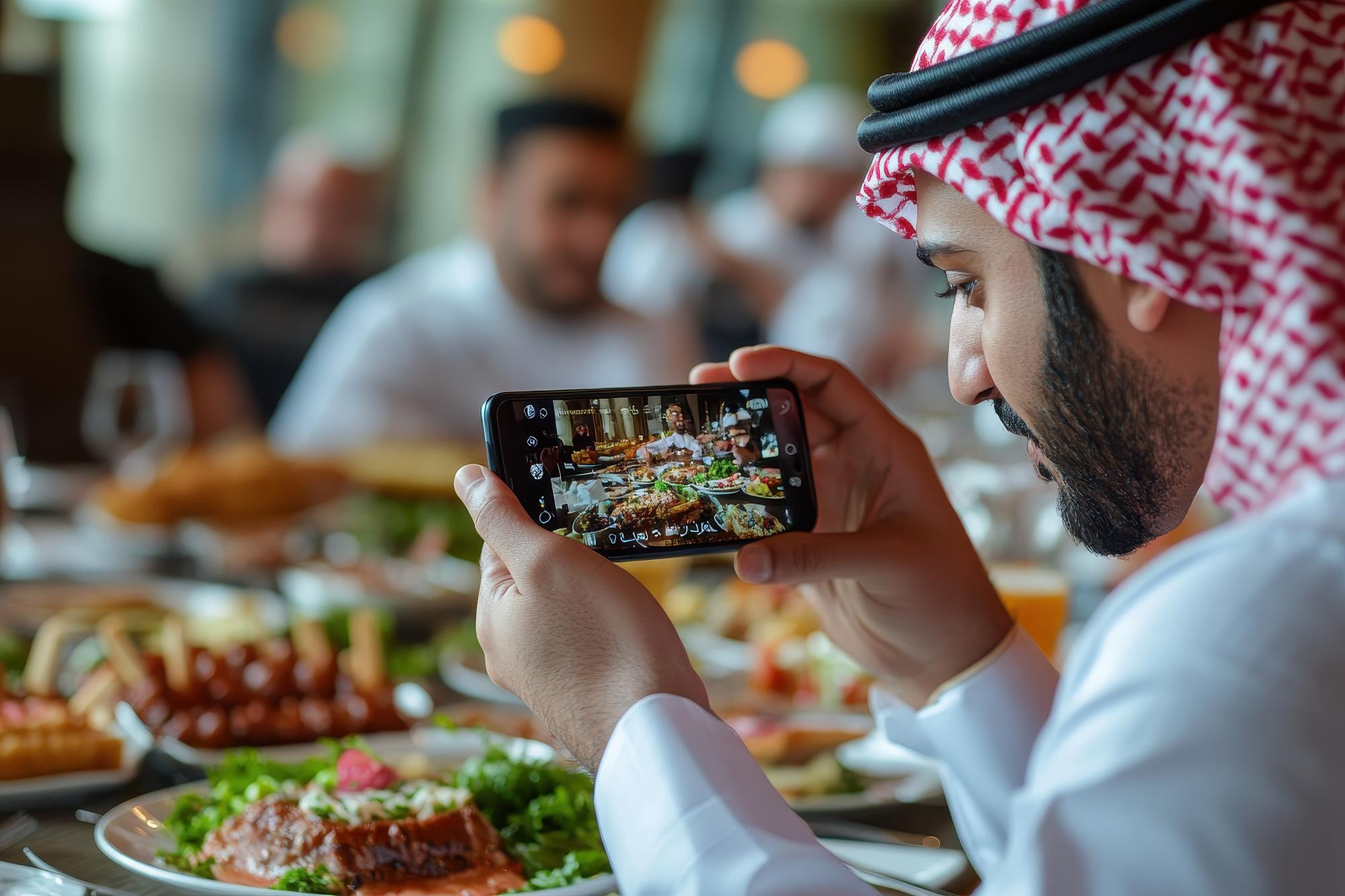
Imagine a diner in Dubai in 2015. Their journey to finding a new restaurant might have involved flipping through a glossy magazine, asking a friend for a recommendation, or perhaps driving down Sheikh Zayed Road and seeing what caught their eye. Now, fast forward to today. That same diner, phone in hand, is on a completely different journey. Their quest begins not on the street, but in a search bar. They might type “best Karak chai near me” into Google Maps, scroll through a visually stunning feed of #DubaiFood on Instagram, or get lost in a mesmerizing loop of a chef preparing a dish on TikTok. This is the new reality of restaurant discovery in the UAE, a landscape that has been fundamentally and irrevocably reshaped by the twin titans of digital life: Google and social media.
The days when restaurants could rely solely on foot traffic and traditional word-of-mouth are over. A digital-first mindset is no longer an advantage; it is a baseline requirement for survival and success. The statistics paint a stark picture of this paradigm shift. A staggering 74% of diners in the UAE now discover new restaurants through social media platforms. Meanwhile, an even more dominant 82% of Dubai residents use Google Maps to discover local businesses, including restaurants. These figures are not just trends; they are seismic shifts in consumer behavior that demand a radical rethinking of restaurant marketing. This article will provide a data-driven analysis of how these platforms are changing the game, break down the specific strategies required to win on each, and offer a forward-looking perspective on the future of restaurant discovery in the UAE.
The Digital Revolution in Restaurant Discovery
The transition from analog to digital has been swift and decisive, leaving many traditional marketing methods obsolete. Understanding the mechanics of this revolution is the first step for any F&B operator looking to thrive in the current environment. It’s a story of the consumer taking control, armed with a smartphone and an insatiable appetite for information.
From Yellow Pages to Google Maps
The most profound shift has been in how consumers search for information. The cumbersome Yellow Pages directory has been replaced by the intelligent, intuitive, and instantly accessible Google Maps. This move from passive browsing to active, intent-driven searching has changed everything. Today’s consumer expects immediate, relevant, and location-aware results.
The rise of “near me” searches has made local SEO (Search Engine Optimization) a critical battleground for restaurants. It’s no longer enough to simply exist; you must be visible at the precise moment a potential customer is searching. With the vast majority of the UAE population using smartphones, this mobile-first discovery journey means that your restaurant’s digital footprint on Google is, for all practical purposes, its most important storefront.
The Social Media Takeover
While Google answers the question of “where can I eat?,” social media answers the more nuanced question of “where should I eat?” Platforms like Instagram and, increasingly, TikTok have become powerful engines of desire and social proof. Instagram is the leading channel for restaurant discovery in the UAE, with a recent study showing that 70% of Dubai diners consult the platform before choosing where to eat. The reason is simple: food is an inherently visual product. A high-quality photo or a well-produced video can convey a dish’s appeal far more effectively than a text description ever could.
This visual-first approach, combined with the power of user-generated content (UGC) and influencer marketing, has turned social media into a formidable force in the restaurant discovery UAE landscape. A single viral video or a post from a trusted food influencer can drive more foot traffic in a weekend than a traditional ad campaign could in a month.
The Decline of Traditional Marketing
As consumer attention has migrated online, the effectiveness of traditional marketing channels has inevitably waned. Print advertisements in magazines, radio spots, and even billboard campaigns now offer a far lower return on investment compared to their digital counterparts. The reason lies in a fundamental shift in consumer trust and behavior. Today’s diners are more likely to trust the unfiltered review of a fellow user on Google or the authentic recommendation of a food blogger they follow than a polished advertisement.
Digital marketing offers a level of targeting, measurability, and cost-effectiveness that traditional methods simply cannot match. For restaurants, this doesn’t necessarily mean abandoning traditional marketing entirely, but it does demand a significant reallocation of resources and a strategic adaptation to a digital-first world.
Google’s Dominance in Restaurant Discovery
While social media may be the king of inspiration, Google is the undisputed ruler of intent. When a customer has made the decision to eat out and is actively looking for options, they are overwhelmingly turning to Google. For restaurants in the UAE, mastering the Google ecosystem is not just a marketing strategy; it is a fundamental business necessity.
The Power of Google Search and Maps
The statistic that 82% of UAE residents use Google Maps to discover local businesses cannot be overstated. This platform is the primary utility for navigating the physical world, and for restaurants, it is the digital equivalent of having a prime location with a giant, flashing sign. When a user searches for “restaurants near me” or “best pizza in Dubai Marina,” appearing in the coveted “Local Pack”—the box of three map-based results at the top of the search page—can be the difference between a full house and an empty dining room.
The integration of search, maps, reviews, and photos into a single, seamless interface has made Google the ultimate one-stop-shop for diners making a decision. Furthermore, the rise of voice search through devices like Google Assistant means that optimizing for conversational queries (“Hey Google, find a good seafood restaurant that’s open now”) is becoming increasingly important.
Mastering Google My Business (GMB)
Your Google My Business (GMB) profile is the heart of your presence on Google. It is the single most important factor in determining your visibility on Google Maps and in local search results. Yet, a surprising number of restaurants fail to fully optimize this free and powerful tool. A complete and accurate GMB profile is non-negotiable. This starts with ensuring NAP consistency—making sure your Name, Address, and Phone number are identical across your website and all other online directories. Beyond the basics, it involves selecting the correct categories (e.g., “Indian Restaurant,” “Fine Dining Restaurant”) and utilizing all relevant attributes (e.g., “outdoor seating,” “halal,” “Wi-Fi”). Keeping your business hours, including special holiday hours, meticulously up-to-date is also critical for building customer trust and avoiding negative experiences.
The Critical Role of Reviews
In the digital world, reviews are the new word-of-mouth. Your Google reviews are one of the most powerful trust signals for both potential customers and Google’s algorithm. A high star rating and a large number of positive reviews can significantly increase your click-through rate from the search results page. But this is not a passive process. Restaurants must have a proactive strategy for generating a steady stream of positive reviews.
This can involve training staff to politely request reviews from happy customers, using a QR code on the receipt that links directly to the review page, or sending a follow-up email after an online reservation. Equally important is how you manage your reviews. Responding professionally and courteously to all reviews—both positive and negative—shows that you are engaged, that you value customer feedback, and that you are committed to providing a great experience.
Visual Content on Google
Your GMB profile is a visual platform. Customers want to see what they can expect before they visit. Uploading a generous number of high-quality, professional photos of your food, your interior, and your exterior is essential. A 360-degree virtual tour can be a particularly powerful tool for allowing customers to experience your ambiance before they arrive. Your full menu should also be uploaded and kept current.
Google Posts, a feature that allows you to share updates, promotions, and event information directly on your GMB profile, is another underutilized tool for keeping your presence fresh and engaging. As with all digital platforms, video content is also becoming increasingly important on GMB, offering a dynamic way to showcase what makes your restaurant special.
Instagram: The Visual Discovery Engine
If Google is the brain of restaurant discovery, then Instagram is its heart. It is the platform where desire is created, where trends are born, and where a restaurant can transform from an unknown entity into the city’s most talked-about destination overnight. For restaurants in the UAE, a market that thrives on visual appeal and social currency, mastering Instagram is a critical component of any modern marketing strategy.
Why Instagram Dominates Food Discovery?
The numbers speak for themselves: 70% of Dubai diners consult Instagram before deciding where to eat. The platform’s visual-first nature makes it perfectly suited for showcasing the artistry of food. A beautifully composed photo of a signature dish or a short, dynamic Reel of a chef in action can create an immediate and powerful craving. The platform’s discovery features, such as the Explore page and hashtag-based searches, allow users to stumble upon new restaurants that align with their interests. The algorithm, designed to serve users more of what they love, creates a virtuous cycle where high-quality food content is constantly being surfaced to a receptive audience of potential customers.
Creating Instagram-Worthy Content
In the competitive world of Instagram, amateur photography is no longer sufficient. Investing in professional food photography is essential for creating content that stops the scroll and makes your dishes look as delicious as they taste. A professional service, like the one offered by the creative team, understands how to style, light, and shoot food in a way that is both artistic and appetizing. But it’s not just about polished photos. Your content strategy should be a mix of different formats. Use Instagram Stories for more casual, behind-the-scenes content that shows off your brand’s personality. Use Reels, the platform’s short-form video feature, to create dynamic, engaging content that has the potential to go viral. And use your main feed for your highest-quality, “hero” content. Maintaining a consistent aesthetic and brand voice across all these formats is key to building a recognizable and memorable brand presence.
Leveraging Instagram Features
Instagram offers a suite of tools that are tailor-made for restaurant marketing. Location tags are essential; every post should be geotagged to your restaurant’s location, making it discoverable to anyone searching that area. If you sell merchandise or packaged goods, Instagram Shopping allows you to tag products directly in your posts, creating a seamless path to purchase.
Encouraging customers to tag your restaurant in their own posts and stories is a powerful way to generate user-generated content and social proof. And for those looking to accelerate their growth, Instagram Ads offer incredibly sophisticated targeting options, allowing you to reach potential customers based on their location, interests, demographics, and even their online behavior.
Building Community and Engagement
A successful Instagram presence is not a monologue; it is a conversation. Building a community around your brand is the ultimate goal. This means actively engaging with your audience by responding to comments and direct messages in a timely and personal manner. It means running campaigns that encourage user-generated content, such as a contest for the best photo taken at your restaurant. It means building a loyal follower base that feels a genuine connection to your brand. This community is your most valuable marketing asset, a built-in army of advocates who will spread the word about your restaurant far more effectively than any paid advertisement ever could.
TikTok: The New Frontier for Restaurant Marketing
While Instagram may be the established giant, TikTok is the energetic and unpredictable challenger that has taken the world of social media by storm. For restaurants in the UAE, particularly those targeting a younger demographic, TikTok represents a massive and largely untapped opportunity for discovery. Its unique algorithm and emphasis on authentic, entertaining content have created a new paradigm for digital marketing.
TikTok’s Explosive Growth in the UAE
TikTok’s user base in the UAE has grown at an exponential rate, with a demographic that skews heavily towards Gen Z and Millennials. This is a generation that increasingly turns to TikTok not just for entertainment, but for recommendations on everything from fashion to food. The platform’s algorithm is famously effective at surfacing relevant content, meaning that a video from a small, unknown restaurant has the potential to be seen by millions of users overnight. The viral nature of TikTok content means that a single, well-executed video can have a dramatic and immediate impact on foot traffic, as evidenced by numerous success stories of UAE restaurants that have “blown up” on the platform.
Creating TikTok Content That Converts
Creating successful TikTok content requires a different mindset than Instagram. While Instagram often rewards polished, professional content, TikTok thrives on authenticity, creativity, and entertainment. The most effective content is often that which feels unpolished and real. This could be a fast-paced, behind-the-scenes look at your kitchen during a busy service, a satisfying video of a dish being prepared, or a humorous take on a trending sound or challenge. The key is to be entertaining first and to sell second. Educational content, such as a quick tutorial on how to make a popular mocktail, can also perform very well. The goal is to create content that people will want to watch and share, even if they are not immediately in the market for a meal.
TikTok Marketing Strategies
Discovery on TikTok is driven by a combination of the “For You” page algorithm and hashtag-based searches. Using a mix of broad, trending hashtags (e.g., #DubaiFood, #TikTokUAE) and more niche, specific hashtags (e.g., #BestBurgersDubai) can help your content reach the right audience. The platform also offers a growing suite of advertising options, from in-feed ads to branded hashtag challenges. Collaborating with TikTok creators who have an established following in the food space is another powerful strategy.
Unlike on Instagram, where a high follower count is often the primary metric, on TikTok, a creator’s ability to create engaging, authentic content is far more important. Finding a creator whose style aligns with your brand’s personality can be a highly effective way to tap into their audience and generate buzz.
The Influencer Economy and Restaurant Discovery
In the ecosystem of social media, influencers have emerged as powerful arbiters of taste and trend. For restaurants in the UAE, the endorsement of a trusted food influencer can be a game-changer, providing a level of social proof and credibility that is difficult to achieve through traditional advertising. Understanding how to navigate this influencer economy is a critical skill for modern restaurant marketers.
The Power of Food Influencers in the UAE
The data is compelling: 80% of the UAE consumers follow food influencers or bloggers, and nearly 70% have dined at a restaurant after seeing it featured in an influencer’s post. This demonstrates the immense power that these digital creators wield. The reason for their influence lies in the trust and rapport they have built with their audience. A recommendation from a trusted influencer feels less like an advertisement and more like a suggestion from a knowledgeable friend. This is particularly true for micro-influencers (those with a smaller, more niche following), who often have a highly engaged and loyal community that trusts their recommendations implicitly.
Working with Food Influencers Effectively
A successful influencer collaboration is about more than just paying for a post. It’s about building an authentic partnership. The first step is to identify influencers whose brand and audience align with your own. Look for creators who produce high-quality content and have a genuine passion for the type of cuisine you offer. When you reach out, personalize your approach. Instead of a generic mass email, explain why you think a partnership would be a good fit. Be clear about your expectations and deliverables, but also give the influencer creative freedom to present your restaurant to their audience in their own authentic style. The most effective collaborations are those that feel like a genuine endorsement, not a forced advertisement.
Building Relationships with Food Bloggers
Beyond one-off collaborations, building long-term relationships with a core group of food bloggers and influencers can be incredibly valuable. This can involve inviting them for special tastings of new menu items, giving them exclusive behind-the-scenes access, or creating a formal ambassador program. When an influencer feels like a true partner and a valued member of your brand’s community, they are far more likely to become a genuine, long-term advocate. It is also important to be prepared for the possibility of negative feedback. If an influencer has a less-than-perfect experience, the best approach is to respond professionally, acknowledge their feedback, and use it as an opportunity to demonstrate your commitment to customer satisfaction.
Integrating Digital Tools for Maximum Discovery
While Google and social media are the primary engines of discovery, a truly effective digital strategy involves a holistic approach, integrating a variety of tools to create a seamless and powerful online presence. Your owned media channels, such as your website and digital menu, are the foundation upon which your social and search strategies are built.
The Role of Restaurant Websites
In an age of social media, it can be tempting to neglect your own website, but this is a critical mistake. Your website is the one piece of digital real estate that you completely own and control. It should be a fast-loading, mobile-optimized hub for all essential information about your restaurant. It should feature your full menu, high-quality photos, your brand story, and clear contact and location details. From an SEO perspective, your website is the foundation of your online visibility. It should be optimized with relevant keywords and structured in a way that is easy for Google to crawl and understand. Integrating an online reservation system directly into your website is also essential for converting discovery into actual bookings.
Digital Menu Solutions and QR Codes
The in-restaurant experience is also a part of your digital strategy. The widespread adoption of QR codes has opened up new opportunities for discovery and engagement. Modern digital menu platforms, such as those offered by QRHUB, do more than just display a list of dishes. They can be a powerful marketing tool, featuring beautiful imagery, enticing descriptions, and promotional banners. They can also be a source of valuable data, providing insights into your most popular items and customer ordering patterns. By linking your digital menu to your social media channels or a feedback form, you can use it to extend the customer journey and build a stronger connection with your diners.
Third-Party Platforms and Aggregators
Platforms like Zomato, Deliveroo, and Talabat are also important channels for discovery, particularly for customers who are looking for delivery or takeaway options. While the commission fees on these platforms can be high, having a presence on them is often a necessary part of doing business in the UAE. The key is to optimize your listings with high-quality photos, an up-to-date menu, and compelling descriptions. It is also important to have a strategy for encouraging customers to order directly from you on subsequent occasions, where the profit margins are higher. This can involve including a flyer with a special offer for direct orders in every delivery bag.
Data-Driven Discovery Strategies
In the digital age, the most successful restaurant marketers are not just creative; they are also analytical. The beauty of digital marketing is that everything can be measured, tracked, and optimized. By adopting a data-driven approach, restaurants can move from a “spray and pray” marketing strategy to a highly targeted and efficient one.
Understanding Your Customer Journey
To effectively market your restaurant, you must first understand the path your customers take from discovery to dining. This is known as the customer journey. Does a typical customer first see your restaurant on Instagram, then search for it on Google Maps to check the reviews, and finally click through to your website to make a reservation? By mapping out these common journeys, you can identify your most important touchpoints and ensure that you are delivering the right message at each stage. This allows you to create a more cohesive and effective marketing funnel that guides potential customers seamlessly from awareness to conversion.
Analytics and Performance Tracking
Every digital platform offers a wealth of data that can be used to measure your performance. Google Analytics can provide deep insights into your website traffic, showing you where your visitors are coming from and what they are doing on your site. Instagram and TikTok have their own built-in analytics that show you the reach, engagement, and demographics of your audience. Your GMB profile provides data on how many people have found you in a search, how many have requested directions, and how many have called your restaurant. By regularly monitoring these metrics, you can understand what is working and what is not, allowing you to double down on your most effective strategies and eliminate those that are not delivering a return on investment.
A/B Testing and Optimization
A data-driven approach also involves a commitment to continuous improvement. A/B testing is a powerful way to optimize your marketing efforts. This involves creating two different versions of a piece of content—for example, two different captions for an Instagram post or two different subject lines for an email—and seeing which one performs better.
By constantly testing and refining your approach, you can make incremental improvements that, over time, can lead to significant gains in your marketing effectiveness. The digital landscape is constantly changing, and a mindset of continuous optimization is essential for staying ahead of the curve.
The Future: What’s Next for Restaurant Discovery?
The digital landscape is in a state of perpetual motion. The platforms and strategies that dominate today may be old news tomorrow. For restaurants in the UAE, looking ahead and anticipating the next wave of change is crucial for long-term success in the competitive game of restaurant discovery.
Emerging Technologies
The next frontier of discovery will be shaped by even more sophisticated technology. AI-powered recommendation engines will move beyond simple preference tracking to offer hyper-personalized suggestions based on a complex web of data, including time of day, weather, and even a user’s past travel history. Augmented reality (AR) will allow diners to visualize a dish on their table before ordering, transforming the digital menu into an interactive experience.
The optimization for voice-activated search will become critical as more consumers use smart speakers and virtual assistants to find restaurants. And on the more distant horizon, the Metaverse may offer entirely new, virtual dining experiences and marketing opportunities that we are only just beginning to imagine.
Changing Consumer Behaviors
As Gen Z gives way to Gen Alpha, consumer behaviors will continue to evolve. The demand for video-first content will only intensify, with short, engaging, and authentic videos becoming the primary medium for discovery. The trend towards authenticity over perfection will continue, with consumers gravitating towards brands that feel real, transparent, and relatable.
Furthermore, values-based discovery will become increasingly important. Diners will actively seek out restaurants that align with their own values, whether that’s a commitment to sustainability, ethical sourcing, or community involvement. Your brand’s story and its values will be just as important as the food it serves.
Predictions for 2026 and Beyond
Looking ahead, we can predict a future where restaurant discovery is almost entirely personalized and automated. AI will be deeply integrated into both search and social platforms, creating a seamless and predictive user experience. Hyper-local marketing will become even more granular, allowing restaurants to target potential customers in their immediate vicinity in real-time.
The role of the influencer will continue to evolve, with a greater emphasis on long-term, authentic brand partnerships rather than one-off sponsored posts. And as data becomes ever more central to marketing, the conversation around privacy and consumer consent will become increasingly important, requiring restaurants to be transparent and ethical in their data practices.
Actionable Strategies for the UAE Restaurants
Understanding these trends is one thing; implementing a strategy to capitalize on them is another. Here is a tiered approach for UAE restaurants to enhance their digital discovery.
Quick Wins for Immediate Impact
- Claim and Fully Optimize Your Google My Business Profile: This is the single most important thing you can do for your local SEO. It’s free, and it can have an immediate impact on your visibility.
- Post High-Quality Content Consistently on Instagram: Start with at least 3-4 high-quality posts per week and daily stories to keep your audience engaged.
- Actively Encourage Customer Reviews: Train your staff to ask for reviews and make it easy for customers to leave them. Respond to every review you receive.
- Invest in Professional Photography: Your photos are your digital first impression. Make them count.
Medium-Term Strategies
- Develop a Content Calendar: Plan your social media content in advance to ensure a consistent and strategic approach.
- Build Influencer Relationships: Identify 5-10 local food influencers who align with your brand and start building genuine relationships with them.
- Launch a TikTok Presence: Start experimenting with short-form video content. Don’t be afraid to have fun and show your brand’s personality.
- Implement a Modern Digital Menu Solution: Upgrade your in-restaurant experience and open up new marketing and data collection opportunities.
Long-Term Brand Building
- Create a Comprehensive Digital Strategy: Develop a long-term plan that integrates your website, SEO, social media, and email marketing efforts.
- Build Your Owned Media Channels: Focus on growing your email list and driving traffic to your website, channels that you control.
- Invest in Community Building: Host events, run contests, and create a space where your customers feel like they are part of a tribe.
- Stay Ahead of Platform Changes: The digital world moves fast. Dedicate time each month to learning about the latest trends and algorithm changes.
Conclusion
The way customers discover restaurants in the UAE has been fundamentally and permanently altered. The digital-first world, dominated by Google and social media, is no longer an emerging trend; it is the established reality. For F&B operators, this represents both a significant challenge and an immense opportunity. The challenge lies in the need to adapt, to learn a new set of marketing skills, and to compete in a crowded and fast-paced digital arena. The opportunity, however, is far greater. Never before have restaurants had the ability to connect with their customers in such a direct, personal, and measurable way.
Those who embrace this new reality—who invest in their digital presence, who master the art of storytelling on social media, who obsess over their Google reviews, and who use data to make smarter decisions—will be the ones who thrive. The future of restaurant discovery in the UAE belongs to the digitally savvy, the creatively agile, and the customer-obsessed. The game has changed. It’s time to play.
