

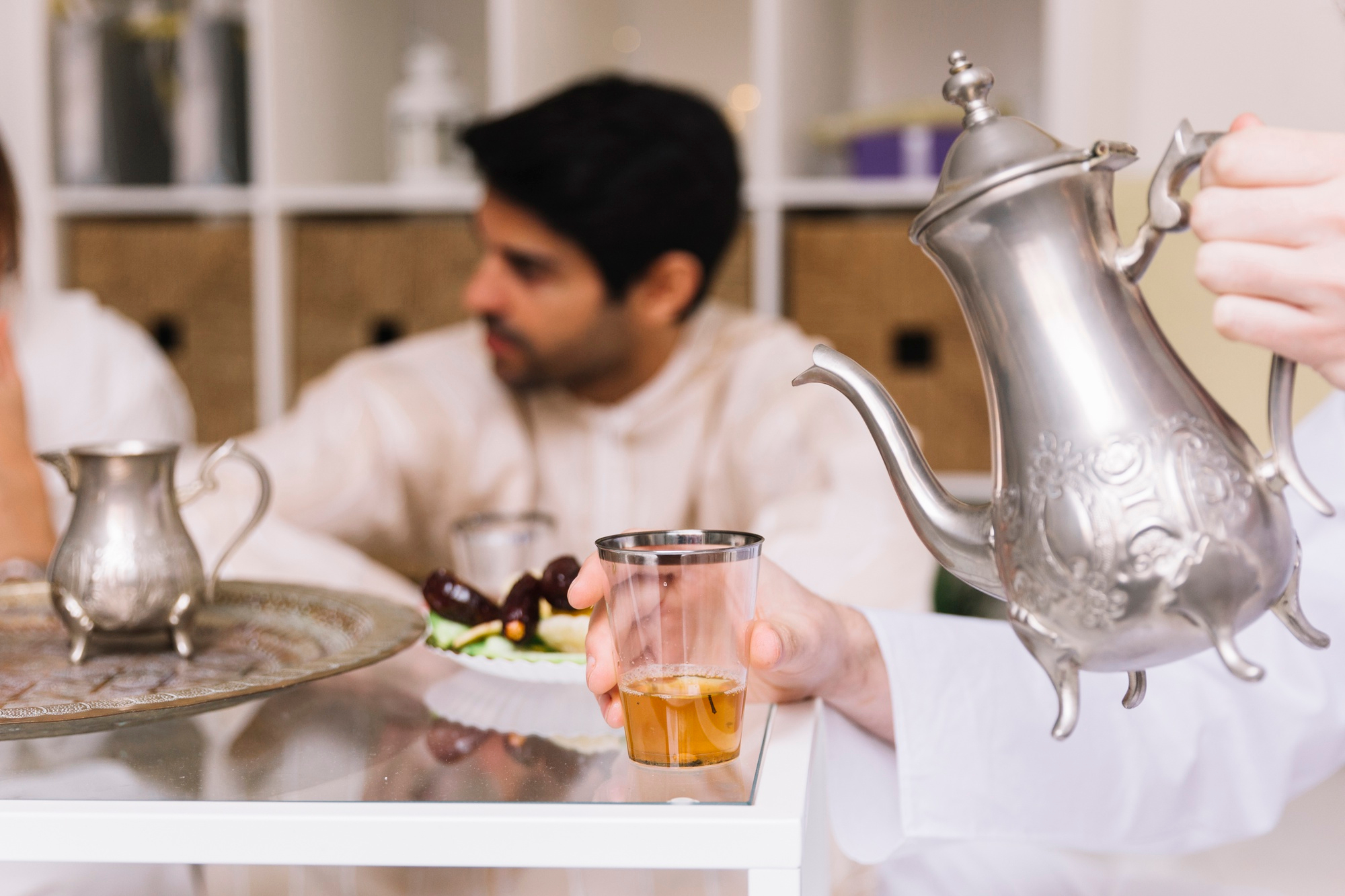
The Karak Chai Revolution: How Traditional Beverages Are Getting Modern Makeovers in the UAE?
It’s a scent that weaves itself into the very fabric of the UAE. The sweet, spicy aroma of cardamom and ginger, the robust fragrance of strong black tea, and the rich, creamy notes of evaporated milk, all simmering together in a fragrant, bubbling pot. This is the smell of Karak chai, a humble beverage that has risen to become a cultural icon, a symbol of hospitality, and a daily ritual for millions. For just a single dirham, you can get a steaming cup of this liquid gold from a roadside cafeteria, a simple pleasure that brings together people from all walks of life. But something remarkable is happening to this beloved drink, and to the wider world of traditional beverages in the UAE. A new generation of entrepreneurs, baristas, and culinary artists is taking these cherished recipes and giving them a modern makeover, sparking a revolution that is as delicious as it is inspiring.
This is not a story about abandoning tradition, but about celebrating it in new and exciting ways. In the gleaming, futuristic cities of Dubai and Abu Dhabi, a powerful counter-current is flowing, one that seeks to reconnect with heritage and honor the simple, authentic flavors of the past. From artisanal cafes dedicated to perfecting the art of Karak chai in the UAE to specialty coffee shops infusing their lattes with saffron and date syrup, a vibrant beverage scene is emerging. It’s a movement that respects the history of drinks like Arabic coffee (Qahwa), Laban, and Jellab, while infusing them with a contemporary creative spirit. This article explores the heart of this beverage revolution, telling the stories of the people, the passion, and the cultural pride that are transforming the way the UAE drinks.
Karak Chai: From Street Corners to Specialty Cafes
At the forefront of this movement is the undeniable star of the show: Karak chai. This strong, milky tea is more than just a drink; it’s a social phenomenon, a daily comfort, and a taste of home for a diverse population. Its journey from a simple street-side refreshment to the headliner of chic, artisanal cafes is a story of cultural adoption, adaptation, and affection.
The Origins and Cultural Significance
The story of Karak chai in the UAE is a beautiful tale of cultural exchange. The beverage was introduced to the region in the 1960s by South Asian migrant workers, who brought with them their love for strong, spiced masala chai. The name itself, “Karak,” comes from the Hindi word for “strong.” This affordable, energizing, and comforting drink quickly found favor among the local population. It became a staple offering in the ubiquitous roadside cafeterias, serving as a social lubricant for taxi drivers, construction workers, and office employees alike.
Over the decades, it has been so thoroughly embraced that many now consider it an integral part of Emirati culture, a symbol of the nation’s multicultural fabric and a testament to its long-standing ties with the Indian subcontinent.
What Makes Karak Chai Special?
The magic of Karak lies in its simplicity and its strength. The recipe is straightforward: strong black tea (usually a CTC or “crush, tear, curl” variety) is boiled vigorously with water, evaporated milk, sugar, and a blend of spices, most commonly cardamom, but often including ginger, cinnamon, and cloves. The mixture is simmered until it is thick, creamy, and deeply infused with flavor.
The process of boiling the tea leaves directly with the milk and spices is what gives Karak its characteristic boldness and depth. But beyond the recipe, the true magic of Karak is in the ritual of its consumption. It’s the quick stop on the way to work, the shared pot among friends in the evening, the comforting warmth on a cool desert night. It is a drink that fosters connection and conversation.
The Modern Karak Movement
While the one-dirham Karak from a local cafeteria remains a beloved institution, a new movement has elevated the humble tea to new heights. A wave of specialty Karak chai cafes has emerged across the UAE, treating the beverage with the same reverence that third-wave coffee shops give to the espresso bean. These establishments are experimenting with premium, single-origin tea leaves, organic spices, and alternative milks like oat and almond. They are creating beautifully designed spaces that are both a nod to heritage and a celebration of modern aesthetics.
The presentation has been upgraded, with Karak served in artisanal pottery and stylish takeaway cups. And with this premiumization comes a new price point, with some specialty Karaks costing upwards of AED 15. This movement has successfully transformed Karak from a simple commodity into a premium, experience-driven product, attracting a new generation of discerning consumers.
Innovative Twists on Classic Karak
The new wave of Karak artisans is not just perfecting the classic recipe; they are deconstructing it, reimagining it, and using it as a canvas for culinary creativity. This has led to a delightful explosion of innovative Karak creations that cater to a wide range of palates and preferences, proving that even the most traditional drink can learn new tricks.
Flavored Karak Creations
The most popular avenue for innovation has been the infusion of new, luxurious flavors into the classic Karak base. Saffron Karak has become a particularly popular offering, with the delicate, aromatic threads of saffron adding a touch of golden elegance and a subtle, earthy flavor to the tea. Rose Karak offers a more floral and fragrant experience, often garnished with edible rose petals for a beautiful, Instagram-worthy finish. For those with a sweet tooth, Pistachio Karak, often made with a rich pistachio paste, provides a nutty and indulgent treat. These flavored creations are a perfect example of how cafes are elevating the humble Karak, transforming it into a gourmet beverage that commands a premium price and offers a unique sensory experience.
Iced and Cold Brew Karak
In a region known for its scorching summers, the development of cold Karak variations was a natural and necessary innovation. Iced Karak has become a staple in many specialty cafes, offering the same bold, spicy flavor in a refreshingly chilled format. Taking inspiration from the third-wave coffee movement, some innovative baristas are even creating Karak cold foam lattes, where a creamy, Karak-spiced foam is layered over iced milk or a shot of espresso. You can also find Karak frappes and smoothies, blending the tea with ice and other ingredients to create a decadent, dessert-like beverage. These cold variations have been particularly successful in attracting younger consumers who are accustomed to the iced coffee culture but are looking for a flavor profile that is more rooted in local tradition.
Fusion and Experimental Offerings
The influence of the Karak chai revolution in the UAE extends beyond the teacup. The distinctive flavor profile of Karak has become a popular ingredient in a wide range of culinary creations. You can now find Karak-spiced desserts like cheesecakes, macarons, and ice creams in many cafes and restaurants. The spice blend has also made its way into the world of mixology, with bartenders creating Karak-infused cocktails and mocktails. Some bakeries are even offering Karak-flavored syrups that allow customers to add a touch of that signature spice to their home-baked goods. This fusion approach demonstrates the versatility of the Karak flavor profile and its growing influence on the wider F&B landscape in the UAE.
Arabic Coffee Gets a Contemporary Update
While Karak chai may be the star of the street, Arabic coffee, or Qahwa, is the heart of Emirati hospitality. This traditional beverage, with its rich history and ceremonial significance, is also experiencing a modern renaissance, as a new generation of coffee connoisseurs finds innovative ways to celebrate its unique flavor.
The Heritage of Qahwa
Qahwa is more than just a drink; it is a UNESCO-recognized element of the UAE’s intangible cultural heritage. It is a symbol of generosity, hospitality, and social connection. Traditionally, Qahwa is made from lightly roasted green coffee beans that are ground with cardamom and sometimes other spices like saffron or cloves. It is brewed in a special pot called a dallah and served in small, handleless cups called finjans. The serving of Qahwa is a highly ritualized process, governed by a strict etiquette that has been passed down through generations. It is the first thing offered to a guest in an Emirati home, a gesture of welcome and respect that is deeply ingrained in the culture.
Specialty Arabic Coffee Innovations
For a long time, the world of specialty coffee, with its focus on dark roasts and espresso-based drinks, seemed a world away from the light, aromatic Qahwa. But that is changing. A growing number of specialty coffee shops in the UAE are now turning their attention to Arabic coffee, applying modern techniques to this traditional beverage. They are sourcing high-quality, single-origin green coffee beans from Yemen and Ethiopia, the ancestral homes of coffee, and experimenting with different roast profiles to bring out the nuanced flavors of the beans.
They are creating modern Arabic coffee specialty drinks, such as saffron lattes and date-infused cappuccinos, that bridge the gap between traditional Qahwa and contemporary coffee culture. This has created a new category of premium, artisanal Qahwa that appeals to both traditionalists and modern coffee lovers alike.
The Third-Wave Coffee Movement in the UAE
The thriving third-wave coffee movement in the UAE has played a crucial role in this revival. As consumers have become more educated about coffee, their appreciation for different brewing methods, bean origins, and flavor profiles has grown. This has created a receptive audience for specialty Qahwa. Barista competitions now often feature an Arabic coffee component, challenging competitors to create innovative drinks that honor the heritage of the beverage.
This movement is not just about creating new drinks; it’s about education and appreciation. It’s about telling the story of the coffee bean’s journey from the highlands of Arabia to the cup, and in doing so, creating a deeper connection to the region’s rich coffee heritage.
Other Traditional Beverages Making a Comeback
The beverage revolution in the UAE extends beyond just tea and coffee. A whole host of other traditional and nostalgic drinks are being rediscovered and reimagined by creative F&B entrepreneurs, adding a wonderful diversity to the modern cafe menu.
Laban: The Refreshing Fermented Drink
Laban, a traditional fermented milk drink similar to yogurt, has been a staple of the Emirati diet for centuries. Known for its refreshing tartness and its probiotic health benefits, Laban is the perfect antidote to the desert heat. While traditionally enjoyed plain, a new wave of cafes and juice bars is now offering modern flavored Laban varieties, blending it with fruits like dates, mangoes, and pomegranates. You can also find Laban smoothies and shakes, which offer a healthier, protein-rich alternative to traditional milkshakes. A number of packaged artisanal Laban brands have also emerged, offering high-quality, locally produced Laban in a variety of creative flavors.
Jellab and Tamar Hindi: Sweet Nostalgia
For many in the region, the sweet, floral flavor of Jellab (a drink made from date molasses, rose water, and pine nuts) and the tangy taste of Tamar Hindi (tamarind juice) are synonymous with the holy month of Ramadan. These drinks, traditionally enjoyed to break the fast, are now making their way onto year-round menus. Modern cafes are giving these nostalgic favorites a contemporary twist with creative presentations and garnishes, serving them in elegant glassware with fresh herbs and edible flowers. They are also being used as a base for innovative mocktails, creating complex, non-alcoholic beverages that are a far cry from the overly sweet mocktails of the past.
Fresh Juice Bars with a Traditional Twist
The humble fresh juice bar is also getting a modern, traditional makeover. While the classic orange and carrot juices are still available, there is a growing focus on local and regional fruits. Pomegranate, date, and melon juices are becoming increasingly popular. Juice makers are also reviving traditional combinations, such as the refreshing lemon and mint, and giving them a gourmet touch with high-quality ingredients and beautiful presentation.
There is also a growing trend towards health-focused superfood additions, with ingredients like chia seeds, turmeric, and moringa being added to traditional juices to boost their nutritional value. This focus on fresh, local, and healthy ingredients is resonating strongly with a new generation of health-conscious consumers.
The Entrepreneurs Behind the Revolution
This exciting beverage revolution is not happening by accident. It is being driven by a passionate and diverse group of entrepreneurs who see the immense potential in the UAE’s rich culinary heritage. From homegrown brands that have become national success stories to young Emiratis with a passion for their culture, the human element is at the heart of this movement.
Homegrown Brands Leading the Way
A number of homegrown brands have been instrumental in leading the charge. Chains like Filli Cafe and Project Chaiwala have transformed the humble Karak chai into a scalable and highly successful business model. They started small, often as a single food truck or a small kiosk, and through a relentless focus on quality, consistency, and branding, they have grown into multi-location chains with a presence across the UAE and beyond.
These brands have proven that it is possible to take a traditional, low-cost product and turn it into a premium, aspirational brand that resonates with a modern audience. They have invested in creating a unique customer experience, from the design of their cafes to the training of their staff, and in doing so, they have set a new standard for the beverage industry in the region.
The Role of Young Emirati Entrepreneurs
A significant driving force behind this movement is a new generation of young Emirati entrepreneurs. Fueled by a deep sense of pride in their cultural identity and a desire to preserve their heritage, they are finding innovative ways to share the flavors of their childhood with a wider audience. They are not just business owners; they are cultural ambassadors. They are using their social media savvy and their understanding of modern consumer trends to create brands that are both authentic and relevant. This new wave of entrepreneurship is also being supported by a variety of government initiatives aimed at fostering local talent and supporting small and medium-sized enterprises in the F&B sector.
International Brands Adapting to Local Tastes
The success of the traditional beverage revolution has not gone unnoticed by the big international players. Global coffee chains like Starbucks and Costa Coffee have all introduced their own versions of Karak chai and other localized beverages in an effort to compete with the popular homegrown brands. This process of localization is a testament to the power of local tastes and preferences. While these international brands have the advantage of scale and marketing muscle, they often struggle to replicate the authenticity and the deep cultural connection that the local brands have. Their attempts, however, are a clear indication that the demand for traditional flavors is a powerful and enduring trend.
Design, Branding, and the Instagram Factor
In the visually driven market of the UAE, a delicious product is only half the battle. The success of the modern beverage revolution is as much about aesthetics as it is about taste. Smart branding, beautiful design, and a keen understanding of social media have been crucial in transforming these traditional drinks into modern lifestyle statements.
Visual Identity of Modern Beverage Brands
The most successful new beverage brands have a strong and distinctive visual identity that skillfully balances tradition with contemporary design. This is evident in everything from their logo and color palette to their packaging and interior design. They often use traditional motifs, such as Arabic calligraphy or geometric patterns, but in a clean, minimalist, and modern way.
The goal is to create a brand that feels both authentic and aspirational, rooted in heritage but clearly a part of the 21st century. This is a delicate balancing act that requires a deep understanding of both traditional aesthetics and modern design trends. Partnering with a professional branding agency that specializes in the F&B sector, such as the creative experts, can be instrumental in developing a visual identity that is both beautiful and effective.
Creating Shareable Moments
In the age of Instagram, every cup of coffee or tea is a potential marketing opportunity. The most successful cafes are masters of creating “shareable moments”—visually appealing presentations and environments that customers will be eager to photograph and post on their social media feeds. This can be as simple as a beautifully crafted latte art with a cultural motif, or as elaborate as a unique serving vessel that tells a story.
The interior design of the cafe itself is also a crucial element. From a stunning feature wall to a beautifully tiled floor, creating a photo-friendly environment is a powerful way to encourage user-generated content and turn your customers into your most effective marketers.
Digital Marketing for Beverage Brands
Beyond just creating a beautiful space, a savvy digital marketing strategy is essential for building a brand and reaching a wider audience. This involves a consistent and engaging presence on social media platforms like Instagram and TikTok, where visual storytelling is key. It involves partnering with food influencers who can introduce your brand to their followers in an authentic and credible way. And it involves telling the story of your brand, your heritage, and your passion through compelling content.
Modern tools can also play a role. For example, using QR codes, like those offered by QRHUB, on your packaging or in your cafe can be a smart way to link customers to your social media channels, a loyalty program, or a feedback form, creating a digital bridge that enhances customer engagement.
Consumer Trends Driving the Beverage Revolution
The success of this modern beverage movement is not just a testament to the creativity of the entrepreneurs; it is also a reflection of deeper shifts in consumer attitudes and preferences. Several key trends are fueling the demand for these innovative yet traditional drinks.
Nostalgia and Cultural Pride
In a rapidly globalizing world, there is a powerful and growing desire for connection to one’s roots. For many young Emiratis and long-term residents, these traditional beverages are a taste of home, a comforting reminder of family gatherings and cherished memories. There is a palpable sense of cultural pride in seeing these humble, everyday drinks being celebrated and elevated. Choosing a saffron Karak over a generic Frappuccino is a small but significant way of expressing one’s identity and supporting local culture. This trend is a celebration of authenticity and a rejection of the idea that “Western” is always better.
Premiumization of Everyday Drinks
Today’s consumers, particularly Millennials and Gen Z, are increasingly willing to pay a premium for quality, craftsmanship, and a unique experience. This trend, known as premiumization, is evident across the F&B industry. People are trading up from mass-produced, commodity products to artisanal, small-batch alternatives. They are interested in the story behind the product—where the ingredients come from, how it is made, and the passion of the person who made it. This has created the perfect market for specialty Karak and artisanal Qahwa, where the higher price point is justified by the superior quality and the unique experience.
Health and Wellness Considerations
The global trend towards health and wellness is also influencing the beverage market in the UAE. Consumers are increasingly looking for drinks made with natural ingredients, with less sugar and no artificial additives. This has created an opportunity for traditional beverages, which are often perceived as being more natural and wholesome than their mass-produced counterparts. Many specialty cafes are also catering to this trend by offering plant-based milk alternatives for their Karak, creating lower-sugar versions of their drinks, and highlighting the natural health benefits of ingredients like cardamom, ginger, and saffron.
Challenges and Opportunities
While the traditional beverage revolution is full of promise, it is not without its challenges. Entrepreneurs in this space must navigate a fine line between innovation and authenticity, stand out in a crowded market, and manage the complexities of scaling a business that is built on a personal touch.
Maintaining Authenticity While Innovating
The biggest challenge is to innovate without losing the soul of the original beverage. There is a fine line between a creative twist and a gimmick that feels inauthentic. The most successful brands are those that show a deep respect for the cultural roots of the drinks they are reinterpreting. They take the time to educate their customers about the history and tradition behind the beverage, and they use innovation to enhance, not mask, the original flavor. This requires a deep understanding of both tradition and modern culinary techniques, as well as a willingness to listen to feedback from the community.
Competition and Market Saturation
The success of the specialty beverage trend has led to a rapid increase in the number of cafes and coffee shops in the UAE. The market, particularly in Dubai, is becoming increasingly saturated. In this competitive environment, differentiation is key. It is no longer enough to just have a good product; you must also have a strong brand, a unique concept, and a loyal customer base. The brands that will survive and thrive in the long run are those that focus on quality over quantity and build a genuine connection with their community.
Scaling Without Losing Soul
For a business that is built on an artisanal product and a personal touch, scaling can be a major challenge. It is difficult to maintain the same level of quality and consistency across multiple locations. It is a challenge to train staff to replicate the passion and the skill of the founder. And it is easy to lose the unique, independent spirit of the brand as it grows. The entrepreneurs who successfully navigate this challenge are those who invest in robust systems and training, who empower their employees, and who never lose sight of the core values that made their brand special in the first place.
The Future of Traditional Beverages in the UAE
The Karak chai revolution is more than just a passing trend; it is a fundamental shift in the UAE’s cultural and culinary landscape. Looking ahead, the future of traditional beverages is bright, with continued innovation, global expansion, and a deepening commitment to preserving heritage on the horizon.
Predictions for 2026 and Beyond
We can expect to see the specialty beverage sector continue to grow and diversify, with even more creative and unexpected flavor combinations. The success of homegrown brands will likely lead to the export of UAE beverage concepts to international markets, with Karak chai potentially becoming the next global beverage trend. We will also see more innovation in the ready-to-drink (RTD) market, with high-quality, packaged versions of traditional beverages becoming more widely available.
Technology will continue to play a role, with innovations in brewing, service, and customer engagement. And as environmental awareness grows, a greater emphasis on sustainability and eco-friendly practices, from sourcing to packaging, will become a key differentiator for brands.
Preserving Heritage for Future Generations
As this movement continues to grow, there is a growing recognition of the importance of actively preserving the heritage of these traditional beverages for future generations. This can take many forms, from educational initiatives in schools and cultural centers to the documentation of traditional recipes and preparation methods. By celebrating and sharing this knowledge, the UAE can ensure that these cherished cultural traditions continue to be passed down, not as museum pieces, but as living, evolving parts of the national identity.
Conclusion
The Karak chai revolution is a heartwarming story of how a simple, everyday pleasure can become a powerful symbol of cultural pride and entrepreneurial innovation. It is a celebration of the rich tapestry of flavors and traditions that make up the UAE. The journey of the Karak chai in the UAE from a humble street-side refreshment to the star of the artisanal cafe menu is a testament to the power of a good idea, a passionate entrepreneur, and a community that is eager to celebrate its heritage.
This movement teaches us that tradition and innovation are not opposing forces; they are two sides of the same coin. By honoring the past while embracing the future, the beverage innovators of the UAE are creating something truly special. They are reminding us that the most authentic and meaningful experiences are often those that are rooted in a sense of place and a shared history. So, the next time you are in the UAE, skip the generic coffee chain and seek out a local specialty cafe. Try a saffron Karak, a date-infused latte, or a modern twist on a traditional Jellab. In every sip, you will taste not just a delicious beverage, but a story of culture, community, and the enduring power of tradition.
