

The Complete Guide to the Dubai Desert Safari Experience Every Visitor Should Read
There is a moment, somewhere between the golden dunes and the endless silence of the Arabian desert, when everything feels different. The noise of the city disappears completely. The sky stretches wide above you. And the sand, painted in shades of amber and burnt orange by the late afternoon sun, seems to go on forever. This is the Dubai desert safari experience, and it is unlike anything else the city has to offer.
Dubai is famous for its towering skyscrapers, luxury shopping, and a lifestyle that seems almost futuristic. But just beyond that gleaming skyline lies a landscape that has existed for thousands of years, a vast, beautiful desert that tells the story of this region far better than any building or mall ever could. The desert safari brings visitors face to face with that story.
Every year, millions of travelers put a desert safari at the top of their Dubai itinerary. And it is easy to understand why. In a single evening, or a full day depending on the type of safari you choose, you get to experience thrilling off-road adventures, camel rides, traditional food, cultural performances, and the kind of quiet that only the desert can offer. It checks many boxes at once, and it does so in a way that feels genuinely memorable.
This guide covers everything you need to know before booking your desert safari. Whether you are visiting for the first time or planning a more immersive experience, this article will walk you through what to expect, how to prepare, what to eat, and how to make the most of every moment.
Understanding the Different Types of Desert Safaris
Not all desert safaris are the same. Depending on your schedule, energy level, and what kind of experience you are looking for, there are several different options to choose from. Each one has its own rhythm and character, so it is worth understanding the differences before making a decision.
Morning Desert Safari
The morning safari is ideal for travelers who prefer cooler temperatures and want to experience the desert in its most peaceful state. Pickup usually happens early, often before sunrise, so that you can reach the dunes just as the light begins to shift across the sand. This is one of the best times for photography because the golden hour light in the desert is genuinely spectacular.
A morning safari typically includes:
- Dune bashing in 4×4 vehicles as the sun rises.
- Sandboarding down the slopes of the dunes.
- Camel riding through the quieter parts of the desert.
- A light breakfast at a desert camp.
- Quad biking for those who want an extra adrenaline boost.
Evening Desert Safari
The evening safari is by far the most popular choice among visitors, and for good reason. It combines the thrill of dune bashing with the magic of a desert sunset and a full evening of entertainment and dining under the stars. If you can only do one type of safari during your trip, this is the one most people recommend.
The pickup usually happens in the mid to late afternoon, giving you enough time to reach the desert just as the sun starts its descent. Once the dune bashing portion ends, you are taken to a desert camp where the rest of the evening unfolds at a relaxed pace.
Evening safaris typically include:
- Thrilling dune bashing at sunset.
- Camel rides and sandboarding.
- A traditional camp welcome with Arabic coffee and dates.
- A generous BBQ buffet dinner.
- Live cultural performances including belly dancing and Tanoura shows.
- Stargazing as the night deepens.
Overnight Desert Safari
For those who want the full immersive desert experience, the overnight safari is the best option. You stay at the camp through the night, sleeping in traditional Bedouin-style tents, and wake up to a sunrise over the dunes that most tourists never get to see.
The overnight experience allows you to connect with the desert on a deeper level. The campfire, the silence of the night, and the brilliant display of stars above make it an experience that stays with you long after the trip ends.
What an overnight safari usually includes?:
- All the activities of an evening safari.
- Bedouin-style sleeping tents.
- A campfire gathering under the stars.
- A hearty breakfast the following morning.
- A sunrise experience over the dunes.
Private vs. Group Desert Safari
One more decision to make before booking is whether you want to join a group safari or book a private one. Both have their advantages depending on what you are looking for.
Group safaris are the more affordable option and give you the chance to meet fellow travelers. The camps are usually lively, with performances and dining that feel social and festive. Private safaris, on the other hand, offer a more exclusive and personalized experience. You get to set the pace, choose activities that suit your group, and enjoy a quieter atmosphere throughout. Families with young children, honeymooning couples, and travelers who prefer a more tailored experience tend to gravitate toward the private safari option.
A Step-by-Step Walkthrough of the Desert Safari Experience
Understanding what happens during a desert safari, and in what order, helps you prepare better and enjoy the experience more fully. Here is a detailed breakdown of how a typical evening safari unfolds from start to finish.
The Journey to the Desert
Most safari operators offer hotel pickup, which means your experience begins the moment the vehicle arrives at your accommodation. The drive from central Dubai to the desert takes roughly 45 minutes to an hour, depending on traffic and which part of the desert you are heading to. The most commonly used areas are around the Lahbab region, known for its dramatic red dunes.
As the city skyline fades in the rearview mirror and the flat scrubland begins to give way to open sand, there is a noticeable shift in atmosphere. The desert feels big in a way that surprises most visitors, especially those who have spent their trip surrounded by the density of the city.
Dune Bashing: The Thrilling Beginning
The first major activity on any desert safari is dune bashing, and it is usually the one that gets the most reactions. A skilled driver takes a powerful 4×4 vehicle, typically a Toyota Land Cruiser, and navigates the steep slopes and ridges of the dunes at varying speeds. The vehicle tilts, dips, and surges in ways that feel more like a theme park ride than a drive.
It is thrilling, no question about it. But it is also completely managed by professionals who know the terrain well. The drivers are experienced and the vehicles are properly maintained. Before entering the dune area, they lower the tire pressure to improve grip on the sand, and the ride itself is carefully controlled even when it does not feel that way.
Tips for first-time dune bashers:
- Avoid eating a heavy meal immediately before the ride.
- Keep your seatbelt on at all times.
- If you are prone to motion sickness, take medication before the activity.
- Hold on to the handle above the door for stability.
- Bring a camera but secure it well so it does not fly around inside the vehicle.
Camel Riding and Sandboarding
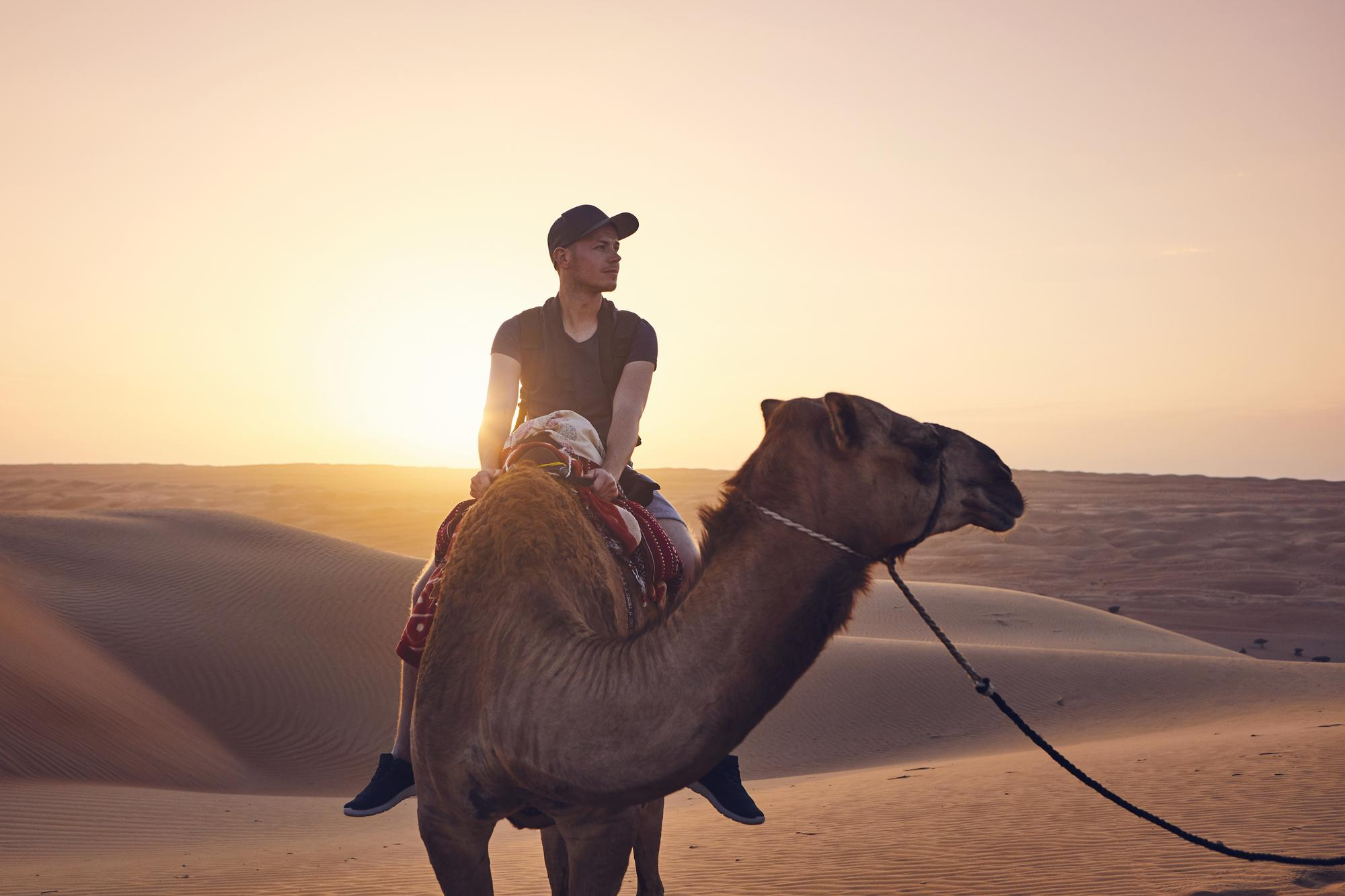
After the excitement of dune bashing settles down, the pace shifts considerably. Camel riding is one of the most iconic parts of any desert safari, and it offers a completely different perspective on the landscape. Sitting atop a camel, moving slowly through the sand with the golden light around you, feels timeless in a way that is hard to describe until you experience it.
The rides are usually short, lasting around 10 to 15 minutes, but they are enough to give you a genuine sense of what desert travel meant for the people who crossed these sands centuries ago. Camels are patient animals and the handlers are always nearby to assist.
Sandboarding is another activity that many visitors enjoy during this part of the safari. You stand on a board, similar to a snowboard but without the bindings, and slide down the face of a dune. It sounds straightforward but it takes a little practice to get the balance right. Most people manage a few successful runs by the end, and the laughter and occasional tumbles make for some great memories.
Arriving at the Desert Camp
As the activities wind down and the sun dips lower in the sky, you are taken to the desert camp. This is where the atmosphere changes completely. The camps are traditionally styled, with carpeted sitting areas, low cushioned seating, lanterns, and the warm glow of fire pits beginning to light up as evening sets in.
The welcome is a central part of the experience. Guests are greeted with Arabic coffee, known locally as qahwa, and a plate of dates. This is not just a hospitality gesture. In Emirati and broader Arab culture, offering coffee and dates to a guest is a deeply rooted tradition that goes back generations. It is a sign of warmth, generosity, and respect. Accepting it graciously is the right way to start the evening.
What many visitors do not realize until they arrive at the desert camp is how seamlessly technology has been woven into the experience — with a number of operators in Dubai now using QR codes to handle event-style check-ins, share digital menus for the BBQ buffet, and distribute schedule information for the evening’s performances directly to guests’ phones. This means less time waiting in queues and more time enjoying the camp, the food, and the entertainment from the moment you arrive.
The Food Experience at a Desert Safari Camp
For food lovers, the dining experience at a desert camp is one of the most rewarding parts of the entire safari. It is not just about eating. It is about the setting, the tradition, and the flavors that carry centuries of culinary history. Sitting on cushioned floor seating inside a decorated tent, with the smell of charcoal grills drifting through the evening air, makes every dish taste better than it might anywhere else.
Traditional Dishes Served at Safari Camps
The dinner at most desert camps is served as a BBQ buffet, and it is usually generous in both variety and portion. The spread reflects the rich blend of Emirati and broader Arabian cuisine, with dishes that are aromatic, hearty, and made to be shared.
Common dishes and foods you can expect at the camp dinner:
- Grilled lamb, chicken, and beef cooked over open charcoal.
- Fragrant rice dishes including machboos, a spiced rice cooked with meat or chicken.
- Hummus served with warm flatbread.
- Fresh salads including fattoush and tabbouleh.
- Mezze platters with olives, pickles, and dips.
- Grilled vegetables for lighter options.
- Arabic bread freshly prepared at the camp.
- Traditional desserts such as luqaimat, which are small fried dough balls drizzled with date syrup.
- Fresh fruit platter.
- Arabic tea and soft drinks throughout the evening.
The quality of the food can vary between operators, so it is worth reading reviews before booking. Premium and private safari operators tend to offer a more refined dining setup, while budget group safaris still provide a satisfying spread for most visitors.
The Cultural Significance of Food in Desert Hospitality
Food in Emirati culture is deeply connected to the idea of hospitality. The tradition of welcoming guests with generosity, sitting together, and sharing a meal is not just a social habit. It is embedded in the cultural and historical identity of the people of this region. The Bedouin way of life, which shaped so much of Emirati culture, placed enormous importance on generosity toward travelers and guests.
Arabic coffee, in particular, carries deep symbolic meaning. It is served without sugar but often flavored with cardamom and saffron. The small handle-less cups used to serve it are called finjan, and the act of refilling a guest’s cup is considered an act of respect. You shake the cup gently from side to side when you have had enough, a quiet and polite way of signaling that you are satisfied.
Understanding these small customs makes the dining experience far richer. It transforms a meal into a cultural exchange, and that is exactly what the best desert safaris aim to offer.
Vegetarian and Dietary Options
Visitors with dietary restrictions or preferences will generally find that desert safari camps can accommodate them, though it is important to communicate your needs in advance. Most buffets already include a good selection of vegetarian dishes, from salads and hummus to grilled vegetables and rice dishes.
Helpful tips for those with dietary needs:
- Inform your safari operator about dietary requirements at the time of booking.
- Ask specifically about vegetarian, vegan, or gluten-free options.
- Premium and private safari operators are generally better equipped to handle special requests.
- Halal food is the standard at all desert safari camps across the UAE.
Cultural Performances and Entertainment at the Desert Camp
Once dinner is underway, the entertainment begins. The performances at a desert camp are not just filler between activities. They are genuinely interesting cultural shows that give visitors a glimpse into the artistic and cultural traditions of this part of the world.
Belly Dancing and Tanoura Performances
Belly dancing is one of the most well-known performance art forms in the Arab world, with roots that stretch back through centuries of regional culture. At desert camp shows, the performance is typically lively and audience-friendly, with colorful costumes and energetic music that draws the attention of everyone sitting around the performance area.
The Tanoura performance is often the most visually striking part of the evening. Tanoura is a traditional Egyptian folk dance in which the performer wears a multi-layered, brightly colored skirt and spins continuously for extended periods of time. The spinning can last for several minutes without stopping, and the visual effect, especially under the lantern-lit desert sky, is genuinely mesmerizing. Some performers spin for so long that it becomes almost meditative to watch.
Fire Shows and Live Music
Many desert camps include a fire show as part of the evening’s entertainment. Performers juggle and spin fire in choreographed routines that are best appreciated in the darkness of the open desert, where the flames stand out vividly against the night sky. It is a crowd-pleasing performance that tends to draw applause from visitors of all ages.
Traditional music also plays throughout the evening, either live or as a background soundtrack to the dining and performances. The use of instruments like the oud, a pear-shaped stringed instrument, and percussion creates an atmosphere that feels unmistakably Arabian. Even if you have never heard this music before, there is something about it that feels perfectly suited to the desert setting.
Stargazing and the Desert Night Sky
As the performances wind down and the night deepens, many visitors simply sit back and look up. The desert, far removed from the city’s light pollution, offers one of the best stargazing experiences you will find anywhere near a major urban center. On a clear night, which is most nights in the desert, the sky is filled with stars in a way that feels almost overwhelming.
This quiet moment at the end of the evening is often described by visitors as one of the most memorable parts of the entire safari. After the noise and movement of the day, the stillness of the desert at night is profoundly calming. It is a reminder of how vast and beautiful the natural world is, and how rare it is to find that kind of silence in the middle of a trip to one of the world’s busiest cities.
Best Time to Go on a Desert Safari
Timing matters more than most people realize when planning a desert safari. The experience can be very different depending on the time of year and even the time of day you choose to go.
Seasonal Considerations
The best time of year for a desert safari is between October and April. During these months, the temperatures are significantly cooler, especially in the evenings, which makes outdoor activities and open-air dining far more comfortable. The weather during this period is genuinely pleasant, and sunset in the desert during the winter months can be particularly beautiful.
Summer safaris, from May through September, are a different story. Daytime temperatures in the desert can climb well above 40 degrees Celsius, making outdoor activities challenging. Some operators adjust their summer schedules to start later in the evening when the heat has subsided. If you are visiting during summer and the desert safari is important to you, look for operators who specifically offer late-evening departures during the hotter months.
A quick seasonal guide:
- October to April: Ideal weather, comfortable evenings, highly recommended.
- November to February: Peak tourist season, the most festive atmosphere at camps.
- March and April: Still pleasant but beginning to warm up.
- May to September: Very hot, summer-adjusted schedules recommended.
- June to August: Extreme heat, choose nighttime or late-evening safaris only.
Morning vs. Evening: Which Works Best for You?
If photography and a quieter experience are your priorities, the morning safari is worth considering. The soft light, the relative emptiness of the desert in the early hours, and the cool air make it a wonderful choice for those who want a more reflective experience.
However, if you want the full experience including the dinner, performances, and the complete social atmosphere of the desert camp, the evening safari is the clear choice. It offers more activities, more entertainment, and the dramatic visual reward of a desert sunset as the backdrop to your dune bashing session.
Essential Tips for First-Time Visitors
A little preparation goes a long way when it comes to making the most of your desert safari. Here are some practical tips that will help you have a smoother and more enjoyable experience.
What to Wear?
- Wear light, breathable clothing that covers your arms and legs to protect against sun and sand.
- Closed-toe shoes are better than sandals for activities like sandboarding and camel riding.
- Bring a light jacket or shawl for the evening, as desert nights can be surprisingly cool from October onwards.
- Avoid wearing white or very light-colored clothing as sand stains can be difficult to remove.
- Comfortable, loose-fitting clothes allow better movement during activities.
What to Pack?
- Sunscreen with a high SPF, even for evening safaris as the afternoon sun is still strong at pickup time.
- Sunglasses to protect against the glare off the sand.
- A small backpack or bag to carry essentials without weighing yourself down.
- A fully charged phone or camera for photography.
- A portable charger if you plan to take many photos or videos.
- Antihistamines if you have dust or sand allergies.
- Motion sickness tablets if you are sensitive to movement during the dune bashing portion.
Booking Tips
- Book through a licensed and well-reviewed tour operator for safety and reliability.
- Read recent reviews on platforms like TripAdvisor or Google before finalizing your booking.
- One of the most interesting things happening around the desert safari scene is how visitors are now discovering and choosing their experiences through social media platforms rather than traditional travel websites. TikTok and Instagram, in particular, have become the go-to tools for first-timers researching safari operators in the UAE — where short videos of dune bashing moments, golden sunset camps, and Tanoura performances are influencing booking decisions in ways that no brochure ever could.
- Compare what is included in the package, as some operators charge separately for certain activities.
- Book in advance during peak tourist season from November to February to secure your preferred slot.
- If traveling with children or elderly guests, inform the operator so they can make appropriate arrangements.
- Ask whether hotel pickup and drop-off is included in the quoted price.
Photography Tips
- The golden hour just before sunset is the best time for dune photography.
- Get low to the ground to capture the texture of the sand and the scale of the dunes.
- Use portrait mode on your phone to get clean, well-focused images of camels and performers.
- Protect your camera or phone from sand by keeping it in a sealed pouch when not in use.
- The Milky Way is sometimes visible from the desert on clear nights, making late-night photography worthwhile.
How the Desert Safari Connects to Emirati Culture and Culinary Identity?
It would be easy to look at the desert safari as simply a tourist attraction, a well-packaged activity designed for visitors who want something adventurous on their itinerary. But to see it only that way would be to miss the deeper significance of what the experience represents.
The desert is the ancestral home of the Emirati people. For generations before the discovery of oil and the rapid development that followed, the people of this region lived as nomadic Bedouins, moving through the desert with their camels and herds, trading across vast distances and building a culture rooted in survival, community, and profound respect for the land.
The food served at desert camps, the ritual of the Arabic coffee and dates, the music, the dances, even the way the camps are arranged, all of these things carry echoes of that older way of life. They have been adapted for the modern tourism context, of course, but the spirit behind them is genuine. The hospitality you experience in the desert is not a performance invented for tourists. It is a reflection of a cultural value system that places enormous importance on generosity and warmth toward guests.
For food enthusiasts in particular, the desert safari offers a meaningful connection to the roots of Emirati cuisine. Dishes like machboos and harees, which have been cooked in this region for centuries, appear on safari camp menus alongside more widely recognized Arabian dishes. Eating them in an open desert camp, under the stars, brings a context that a restaurant dining experience simply cannot replicate.
The desert safari, at its best, is a cultural experience as much as it is an adventure. It is an invitation to slow down, look around, and understand a little more about the history and identity of the place you are visiting. That is what makes it genuinely worth doing.
Why the Dubai Desert Safari Belongs on Every Visitor’s Itinerary?
The desert safari is not just another item on a tourist checklist. It is a genuine experience that manages to be thrilling, beautiful, culturally rich, and deeply satisfying all at once. From the moment the 4×4 hits the first dune to the quiet calm of sitting under a sky full of stars at the end of the night, every part of the experience is designed to connect you with something real.
The food alone makes it worthwhile for anyone who cares about culinary culture. The warmth of the Arabic coffee welcome, the aromas rising from the charcoal grills, the spread of dishes that reflect the flavors of the region, and the shared experience of eating together in the open desert create a dining memory that is difficult to replicate anywhere else.
Add to that the thrill of dune bashing, the meditative rhythm of a camel ride, the visual spectacle of fire shows and Tanoura performances, and the profound stillness of the desert at night, and you have an experience that hits on almost every level.
Whether you are visiting for a weekend or a full week, making time for a desert safari is one of the best decisions you can make. It shows you a side of this part of the world that the city cannot, and it does so in a way that is accessible, safe, and genuinely enjoyable for travelers of all kinds.
Plan well, choose a reliable operator, and go in with an open mind. The desert has a way of surprising even the most well-traveled visitors. And that surprise, that sense of discovering something unexpectedly beautiful in a place you thought you already understood, is what makes the Dubai desert safari experience one of the most talked-about travel experiences in the world.
