

Your Complete Abu Dhabi One Day Itinerary: Landmarks, Culture, and Food All in 24 Hours
Abu Dhabi is the kind of city that surprises people. Travelers who expect it to feel like a smaller, quieter version of Dubai often find themselves completely wrong the moment they arrive. The capital of the UAE carries a distinct character — deeply rooted in Emirati tradition, yet unmistakably modern in its architecture, dining, and cultural ambitions.
For travelers who only have a single day to explore, the city can feel like a puzzle. There is no shortage of things to see and do, and without a clear plan, it is easy to spend too much time in one area and miss something truly worthwhile. A well-thought-out Abu Dhabi one day itinerary solves that problem entirely.
This guide is built for tourists visiting from abroad, travelers making a day trip from Dubai, and first-time visitors who want to experience the city’s highlights without wasting a single hour. The itinerary covers iconic landmarks, cultural experiences, hidden food spots, and dinner destinations that genuinely reflect what Abu Dhabi is about.
Food plays a central role throughout this journey. Abu Dhabi’s culinary scene is remarkably diverse, and tasting the right dishes in the right places adds a layer of authenticity that no landmark visit can fully replace on its own. Every meal stop in this guide is chosen with that purpose in mind.
Before You Go: Quick Tips to Set Up Your Day Right
Preparation makes a real difference when you are working with limited time. A few practical decisions before the day begins can help things run smoothly and keep the focus on experiencing the city rather than figuring out logistics on the go.
Getting to Abu Dhabi from Dubai
The drive from Dubai to Abu Dhabi takes approximately 90 minutes depending on traffic, and it is one of the more pleasant road journeys in the region. The Sheikh Zayed Road connects both cities, and the highway is well-maintained and easy to navigate. For those without a car, inter-city buses depart regularly from Dubai’s Union Square bus station and drop passengers near the Abu Dhabi central bus terminal.
Ride-hailing apps such as Careem and Uber operate between the two cities as well, though this option tends to be more expensive. Renting a car for the day gives the most flexibility, particularly if the plan includes Yas Island or spots spread across different parts of the city.
Getting Around the City
Within Abu Dhabi, transportation options include:
- Taxis, which are metered and reliable throughout the city.
- Careem and Uber, both of which are widely used and simple to book through the app.
- Car rental, which is the best option for covering multiple areas in one day.
- Public buses, which are affordable but slower and better suited for budget-conscious travelers with flexible schedules.
Dress Code and Cultural Etiquette
Abu Dhabi is a culturally conservative city, and respectful dressing is important, especially when visiting mosques or heritage sites. Lightweight clothing that covers the shoulders and knees is appropriate for most locations. For the Sheikh Zayed Grand Mosque specifically, women are required to cover their hair, and both men and women must wear clothing that covers their arms and legs. Abayas and headscarves are provided free at the mosque entrance for those who need them.
Starting the day early, ideally by 7:30 or 8:00 AM, gives enough time to visit the mosque before crowds arrive and sets a comfortable pace for the rest of the day.
Morning: Starting the Day with Culture and Grandeur
Sheikh Zayed Grand Mosque: The First and Most Important Stop
No one-day visit to Abu Dhabi is complete without beginning at the Sheikh Zayed Grand Mosque. This is not simply a religious landmark. It is one of the most architecturally stunning structures in the world, and standing inside its main courtyard for the first time is a genuinely moving experience regardless of one’s background or beliefs.
The mosque was completed in 2007 and is named after the founding father of the UAE, Sheikh Zayed bin Sultan Al Nahyan. It can accommodate over 40,000 worshippers at once, making it one of the largest mosques in the world. The structure features 82 white marble domes, more than 1,000 columns decorated with semi-precious stones, and the world’s largest handwoven carpet, which spans the entire main prayer hall.
Photography is permitted throughout most areas of the mosque, and the golden hour light in the early morning creates some of the best conditions for capturing the white marble at its most striking. Arriving shortly after opening, which is usually around 9:00 AM for non-prayer visitor times, helps avoid the larger tour groups that tend to arrive mid-morning.
Visitor tips worth keeping in mind:
- Entrance is free for all visitors.
- The mosque is closed to general visitors during Friday prayer times, so plan accordingly.
- Guided tours are available at no extra charge and provide deeper context about the architecture and Islamic art.
- The reflective pools surrounding the mosque create mirror-like photo opportunities, best captured in the morning light.
Breakfast Near the Mosque: Where to Eat After Your Visit?
After exploring the mosque, the next priority is a proper breakfast. This is also a good opportunity to try something authentically Emirati rather than heading straight to a hotel buffet or a familiar international chain.
Balaleet is a dish worth seeking out for breakfast. It is a sweet and savory combination of vermicelli noodles cooked with saffron, rose water, and cardamom, usually served alongside a thin omelet. It sounds unusual but tastes genuinely satisfying and gives a clear sense of how Emirati cuisine balances contrast.
Chebab, which are soft Emirati pancakes made with saffron and served with date syrup or honey, is another popular breakfast option. Paired with a strong cup of karak chai, which is a spiced milk tea brewed with cardamom and sometimes ginger, it makes for a warm and grounding start to the day.
A few breakfast spots to consider near or within easy reach of the mosque:
- Fanr Restaurant at Manarat Al Saadiyat: A short drive away, this spot serves Emirati breakfast dishes in a culturally rich setting that fits well with the morning’s theme.
- Al Mrzab Restaurant: Known for traditional Emirati food, this is a reliable choice for balaleet, harees, and freshly baked khobz bread.
- Cafe Arabia: A cozy, independently run spot where local dishes sit alongside Middle Eastern staples, with strong coffee and a relaxed atmosphere.
Late Morning: Heritage, Architecture, and the Waterfront
Qasr Al Watan: Inside the Presidential Palace
From breakfast, the late morning belongs to Qasr Al Watan, which translates to Palace of the Nation. Opened to the public in 2019, this is the official presidential palace of Abu Dhabi, and it is one of the most remarkable visitor attractions in the entire country. Few travelers outside the region know it is even open to the public, which makes it a genuinely surprising discovery.
The palace serves as a working seat of government, but a large portion of it is open for guided visits. Inside, visitors can walk through grand reception halls, browse an exhibition on the art of governance and leadership in the Arab world, and see one of the most impressive private libraries in the region. The architecture inside the palace is layered with Arabesque geometric patterns, hand-painted ceilings, and enormous chandeliers that feel almost impossible in their detail.
Practical information for visiting Qasr Al Watan:
- Tickets are required and can be booked online in advance, which is recommended.
- The venue opens at 10:00 AM and is typically open until 8:00 PM.
- The Palace at Night light show is a separate ticketed experience not relevant to a daytime visit.
- Dress code applies: shoulders and knees must be covered.
Allocating around 90 minutes here is a reasonable plan. The exhibitions inside are genuinely interesting, not just visually impressive, and the scale of the building invites a slower pace.
The Corniche: A Walk Along the Arabian Gulf
After Qasr Al Watan, a short drive leads to the Corniche, which is the city’s famous eight-kilometer waterfront promenade stretching along the edge of the Arabian Gulf. This is where Abu Dhabi residents come to walk, cycle, and unwind, and it offers a completely different side of the city compared to the grandeur of the morning’s stops.
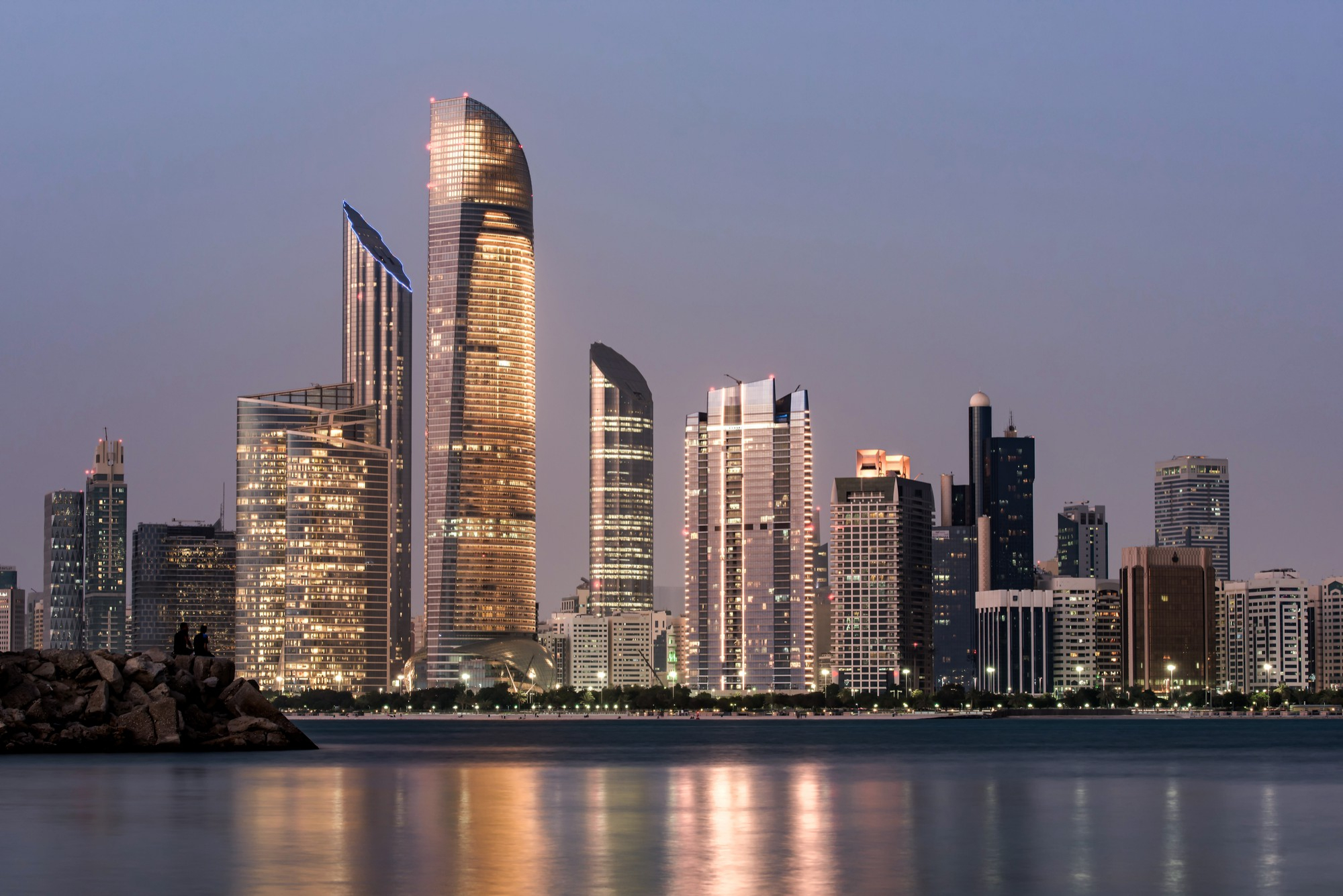
The Corniche is lined with manicured gardens, public beaches, and clear views across the water toward the distinctive skyline of the city. Walking even a portion of it gives a sense of the city’s scale and its relationship with the sea. It is not a rushed stop. It is a moment to slow down, breathe, and take in the context of everything else the day has offered so far.
Best spots along the Corniche for photos and pauses:
- The area opposite the Etihad Towers, where the skyline frames beautifully against the Gulf.
- The public beach sections where locals gather, especially in the late morning before midday heat.
- The viewpoints near Marina Mall, where the water and the city come together at an interesting angle.
Lunch: Tasting the Flavors of Abu Dhabi
By midday, after the mosque, the palace, and a stretch along the Corniche, a proper sit-down lunch is both well-earned and important. Abu Dhabi has one of the most diverse food landscapes in the region. Indian, Levantine, Emirati, Filipino, and international cuisines all sit side by side here, reflecting the city’s cosmopolitan population.
Where to Have Lunch in Abu Dhabi?
The lunch decision depends on how adventurous the traveler feels and how much time remains in the day. For those who want to stay with Emirati cuisine, a restaurant focused on local food is the natural choice. For those who prefer something lighter or more international, the city offers no shortage of alternatives.
Recommended lunch restaurants to consider:
- Mezlai at Emirates Palace: One of the few truly high-end Emirati restaurants in the city, situated within the Emirates Palace hotel. Dishes here are traditional but presented with a refined touch. It is a memorable experience for a special lunch.
- Al Fanar Restaurant: A well-regarded spot for Emirati home cooking in a setting designed to reflect old village life, with hanging lanterns, earthen walls, and traditional seating.
- Automatic Restaurant: A beloved Lebanese chain with multiple locations across the city that serves consistent, affordable, and generous portions of mezze, grills, and flatbreads.
- Sajway: A casual spot popular with residents for its spit-roasted shawarma, grilled meats, and freshly made juices at very reasonable prices.
Several Emirati and Lebanese restaurants recommended for lunch in Abu Dhabi have also moved toward digital, WhatsApp-linked menus, letting diners scan a code at the table, browse dishes like machboos or harees with updated pricing, and send their order straight to the kitchen without waiting on a server. It is a small shift, but for travelers working against the clock during a one-day visit, it often means food arrives faster and the afternoon’s plans stay on schedule.
Must-Try Dishes at Lunch
If the lunch stop is at an Emirati restaurant, a few dishes stand out as genuinely essential:
- Harees: A slow-cooked dish made from cracked wheat and meat, typically chicken or lamb, blended to a smooth, porridge-like consistency. It is deeply comforting and has been eaten in this region for centuries.
- Machboos: Often described as the national dish, this is a spiced rice cooked with meat, dried limes, and a complex blend of aromatics. The flavor is warm, layered, and unlike anything in more internationally familiar cuisines.
- Luqaimat: Small deep-fried dough balls drizzled with date syrup and sesame seeds, usually served as a dessert or sweet snack. They are light and addictive, and almost every Emirati restaurant has them.
- Fresh juices and laban: Cold pressed juices, especially mango and guava, are popular throughout the city. Laban, a salty yogurt drink, is also widely consumed and pairs well with heavier rice dishes.
Afternoon: Art, Discovery, and a Change of Pace
The afternoon is where the itinerary can flex depending on personal interests. There are two strong options, and the right one depends on whether the priority is art and culture or something more relaxed and exploratory.
Louvre Abu Dhabi: Where Architecture and Art Become One
The Louvre Abu Dhabi opened in 2017 and quickly became one of the most talked-about museums in the world, not just because of what it contains, but because of what it looks like. Designed by French architect Jean Nouvel, the building is topped by a vast dome made of interlocking geometric patterns that filters sunlight into what the architect described as a rain of light effect. Standing beneath it feels unlike anything most visitors have experienced in a museum setting before.
The museum’s collection is genuinely international and covers thousands of years of human civilization. Unlike traditional national museums that focus on a single culture, the Louvre Abu Dhabi organizes its exhibits thematically, placing objects from different centuries and continents beside each other to reveal shared threads in human creativity and belief.
Key highlights of the Louvre Abu Dhabi collection include:
- Ancient artifacts from Egypt, Mesopotamia, and the Arabian Peninsula placed in dialogue with each other.
- Works by Leonardo da Vinci, including the internationally traveling Belle Ferronniere portrait.
- Contemporary art from across Asia, Africa, Europe, and the Americas.
- A waterfront terrace restaurant and cafe for a mid-afternoon break.
Beyond the exhibitions themselves, the Louvre Abu Dhabi and other major cultural venues in the city have started using QR-based ticketing systems that go well beyond a simple entry pass, often unlocking exclusive perks like skip-the-line access, curator talks, or members-only previews tied directly to the code on a visitor’s phone. For travelers booking online in advance, this kind of digital ticketing has made the whole experience noticeably smoother, with confirmation, entry, and even special event invitations all bundled into a single scan.
Tickets can be purchased online in advance. Plan for at least two hours inside, more if the exhibitions are of genuine personal interest. The museum is located on Saadiyat Island, which is also home to a beautiful beach and several high-end resorts should the afternoon call for a slower end.
Yas Island: The Alternative Afternoon
Travelers who prefer a more energetic afternoon might find Yas Island a better fit. Located about 30 minutes from the city center, Yas Island is Abu Dhabi’s entertainment hub, home to Ferrari World, Yas Waterworld, the Yas Marina Circuit used for Formula 1 racing, and a large retail complex at Yas Mall.
For a one-day visit where the morning has been dedicated to culture, Yas Island offers contrast. The waterfront at Yas Marina is pleasant for a walk, and the area has plenty of casual dining options that work well for an afternoon coffee or snack before heading back toward the city for the evening.
The key advantage of Yas Island in the afternoon is flexibility. Visitors can browse the marina, grab something to eat, and use the location as a relaxed transition between the afternoon and the evening portion of the day.
Evening: Sunsets, Skylines, and Dinner Worth Remembering
Best Places to Watch the Sunset in Abu Dhabi
Evenings in Abu Dhabi have a particular quality that regular visitors talk about. The light turns golden in a way that makes even ordinary streets look cinematic, and the heat of the day settles into something far more comfortable once the sun begins to drop toward the Gulf. For a one-day visit, catching the sunset from a good vantage point is a fitting way to begin closing the day.
The best sunset spots in the city:
- Observation Deck at 300, Etihad Towers: Located 300 meters above sea level, this offers a panoramic view of the city and the Gulf that is unmatched. Tickets are required, and the price includes a beverage at the adjoining cafe.
- Corniche Beach: The public beach sections along the Corniche provide a ground-level sunset view with the water directly in front and the city behind, which makes for a more immersive experience.
- Emirates Palace Terrace: The terrace of this iconic hotel faces the Gulf and captures the sun dropping below the horizon in a genuinely theatrical way.
- Saadiyat Beach: For a quieter and more natural sunset setting, the beach at Saadiyat Island offers open sky, calm water, and far fewer crowds than the Corniche.
Dinner in Abu Dhabi: Where to End the Day on a High Note?
Dinner is the most important food moment of the day, and Abu Dhabi has the restaurants to match the occasion. The city’s dining scene covers everything from traditional Emirati food served in heritage settings to international fine dining with Gulf views. Choosing where to eat should reflect the mood after a full day of exploration.
Top dinner options for different preferences:
- Hakkasan Abu Dhabi: Located inside the Emirates Palace, this Cantonese fine dining restaurant is one of the most celebrated in the city, combining bold flavors with a dramatic setting.
- Zuma Abu Dhabi: A Japanese izakaya-style restaurant with a loyal following in the city, serving contemporary Japanese food in a stylish environment overlooking the marina.
- Li Beirut: A Lebanese restaurant with a refined menu and a sophisticated atmosphere, ideal for those who want something rooted in regional flavors without the formality of Emirati fine dining.
- Byblos Sur Mer: A waterfront Lebanese restaurant on the Corniche with outdoor seating, a relaxed atmosphere, and consistent quality across a broad mezze and grill menu.
What to Order for Dinner?: Traditional Emirati Dishes to Finish the Day
For those who choose an Emirati restaurant for dinner, several dishes are particularly suited to the evening meal:
- Ouzi: A whole slow-roasted lamb served over a bed of spiced rice, often with nuts and fried onions. It is traditionally prepared for gatherings and celebrations, and the flavor reflects hours of careful cooking.
- Madrooba: A spiced fish dish cooked with a blended sauce of dried fish, spices, and sometimes bread. It is a distinctive coastal preparation that reflects Abu Dhabi’s historical relationship with the sea.
- Umm Ali: The dessert that most visitors end up ordering regardless of what else is on the menu. It is a baked bread pudding made with puff pastry, milk, cream, and nuts, served hot and absolutely worth finishing the meal with.
Late Night: Optional Ways to Close the Evening
Not every traveler will want to continue after dinner, but for those with energy left, the city offers a handful of genuinely pleasant ways to wind down.
The Al Mina Souk area near the old port is worth visiting in the evening when temperatures drop and the market atmosphere comes alive. It is one of the more authentic corners of the city, with fresh produce, spice sellers, and small cafes where locals sit and talk over tea. The nearby Iranian Souk also offers a more traditional shopping experience with handmade goods, fabric, and household items that have little connection to the glossier retail malls.
Shisha cafes are another side of the city’s late-night culture. Sitting with a shisha and a pot of karak tea after dinner is a deeply common social ritual, and several cafes around the city cater to this in both outdoor and indoor settings. It is unhurried, conversational, and gives a genuine sense of how the city’s residents actually spend their evenings.
Late-night food spots for those still hungry:
- Al Bahar: A 24-hour spot known for fresh juices and light bites that stays busy well into the early hours.
- Saj Express: A popular chain for freshly made manakish, which are flatbreads topped with zaatar, cheese, or meat, available throughout the night at very accessible prices.
- Corniche waterfront areas: Several kiosks and small stalls set up in the evening hours serving corn on the cob, fresh fruit cups, and cold drinks.
Practical Tips for Your One Day in Abu Dhabi
A few additional details help the day run smoothly from a logistical perspective:
- Budget: A comfortable day covering all major stops, including tickets, meals, and transport, typically falls between 400 and 700 AED per person depending on dining choices and whether paid attractions are included.
- Apps to download: Careem and Uber for transport, Google Maps for navigation, and the Visit Abu Dhabi app for current event listings and attraction information.
- Currency: The UAE dirham is the local currency, and cards are accepted almost everywhere. Cash is useful for smaller markets, taxis, and street vendors.
- Language: Arabic is the official language, but English is spoken widely across restaurants, hotels, and tourist sites with no communication barriers.
- Halal food: All food served in restaurants across the city is halal by default, and alcohol is available only in licensed hotel restaurants and bars.
- Best time to visit: October through April offers the most pleasant weather, with cooler temperatures and lower humidity that make outdoor walking comfortable.
- Safety: The city is consistently ranked among the safest in the world. Standard travel awareness applies, but incidents involving tourists are extremely rare.
One Day Is a Beginning, Not an Ending
Abu Dhabi is a city that rewards time. A single day spent moving through its mosque, palace, waterfront, museums, and restaurants gives a meaningful introduction, but it also makes clear that there is far more waiting beneath the surface for those willing to return.
This Abu Dhabi one day itinerary is designed to deliver a balanced experience. The morning is rooted in cultural and spiritual significance. The afternoon opens up into art, architecture, or leisure depending on preference. The evening becomes about food, atmosphere, and the kind of slow enjoyment that the city genuinely does well.
What makes this itinerary work is that it is not trying to do everything. It covers the most important stops, weaves food into the narrative throughout the day, and leaves room for genuine moments rather than rushing from one check box to the next. That balance is what turns a sightseeing trip into an actual experience of a place.
For travelers planning a longer stay in the region, this day in the capital is an ideal starting point. The food scene alone is enough to justify returning, and the combination of heritage, modernity, and culinary depth makes Abu Dhabi one of the most interesting cities in the world to explore one meal at a time.
