

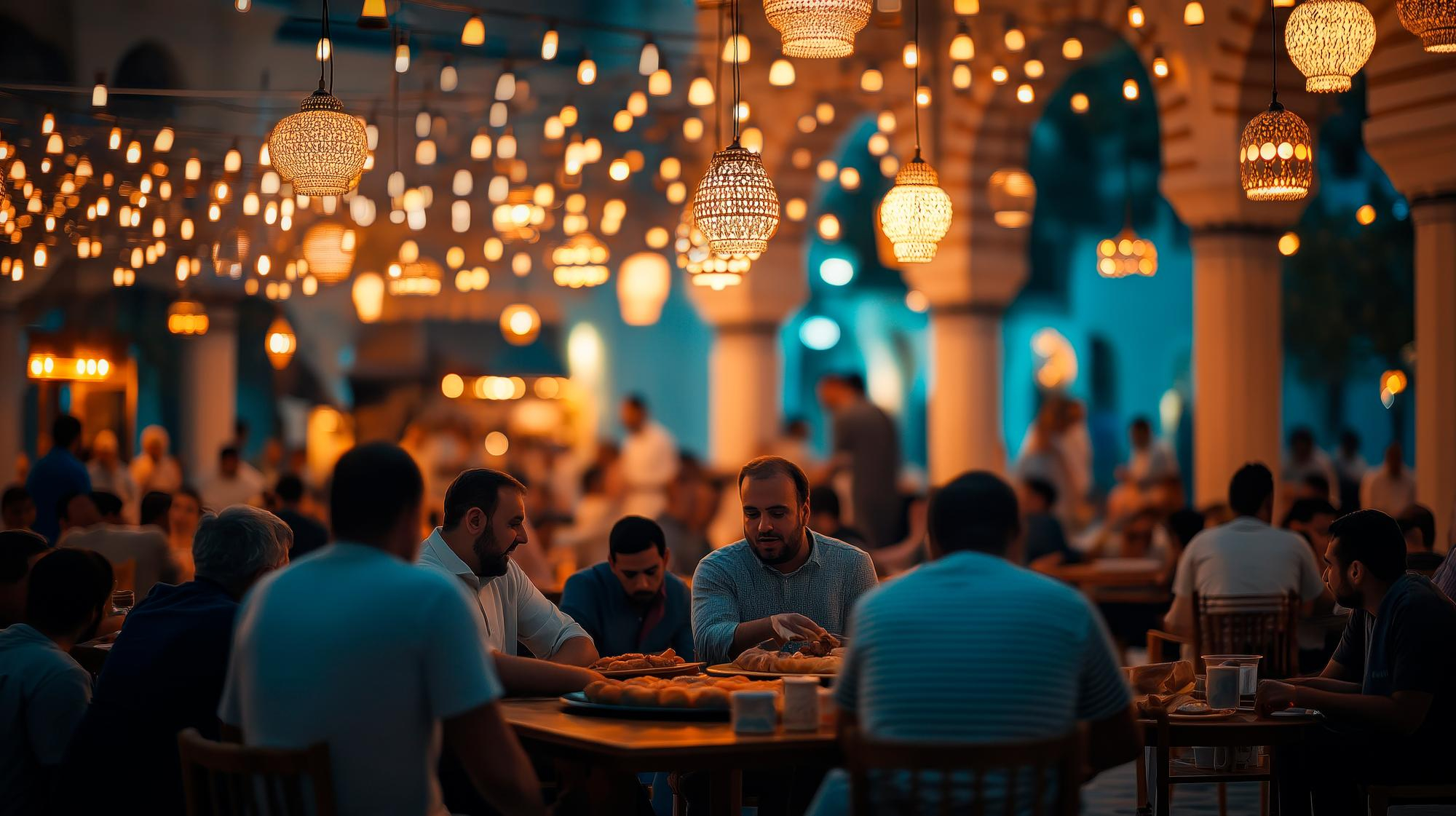
The Hidden Dining Scene Behind Umm Al Quwain’s Best Restaurants
Discovering the Best Restaurants in Umm Al Quwain, the UAE’s Quietest Emirate
Umm Al Quwain doesn’t try to compete with Dubai’s dining scene, and that’s precisely what makes it worth visiting. Sandwiched between Ajman and Ras Al Khaimah, UAQ is the UAE’s smallest and least populated emirate, and its food scene reflects that scale directly: no towering restaurant complexes, no reservations-only tasting menus, just a small cluster of resort restaurants near the beach and a handful of old town institutions that have fed the same regulars for years. Putting together an honest list of the best restaurants in Umm Al Quwain means resisting the urge to pad it out with polished options and instead pointing toward the places that actually earned their reputation locally, one plate at a time.
This guide moves from Khor Al Baidah’s beachfront resort dining to Old Town’s genuinely local institutions, makes a detour to an unlikely lunch spot at the camel track, and closes with how to build a full day around all of it. UAQ increasingly fits into a broader shift toward niche tourism markets that go well beyond five-star luxury hotels, and it may be the single clearest example of that shift anywhere in the country — a place that offers real character precisely because it never tried to become a resort destination in the first place.
It also helps to know what’s actually drawing visitors out here before getting to the food itself. Beyond the restaurants, UAQ’s main appeal runs through Khor Al Beidah’s mangrove-lined lagoon, the protected wildlife reserve on Al Sinniyah Island, a genuinely old Old Town, and Dreamland Aqua Park for anyone traveling with children. None of that is designed to compete with Dubai, and neither is the food — which, as it turns out, is exactly the point. A visitor arriving expecting a scaled-down version of a big-city dining scene will likely leave disappointed; one arriving expecting something genuinely different tends to leave as one of the people quietly recommending it to friends afterward.
Why Umm Al Quwain’s Dining Scene Stays Under the Radar?
Scale is the simplest explanation for why UAQ rarely appears in UAE food coverage: there just isn’t very much of it compared to its neighbors. Where Dubai built its food identity around competition, spectacle, and constant reinvention — part of the story of how the UAE built its reputation as a global food destination — Umm Al Quwain never had the population or tourist volume to support that kind of scene, and its restaurants developed instead around serving residents consistently rather than chasing visibility.
The emirate’s other draws reinforce the same quiet character. Khor Al Beidah, a coastal lagoon fringed with mangroves, offers calm-water kayaking past herons and flamingos; Al Sinniyah Island, just offshore, protects one of the region’s more significant wildlife reserves; and the Old Town’s coral-stone fort, now the UAQ National Museum, tells the story of a place built on pearl diving and fishing rather than skyscrapers. None of that naturally produces a food scene built for outside attention. What it produces instead is a small, genuinely local set of restaurants that happen to be very good at what they do, without much reason to advertise beyond word of mouth.
The population numbers help explain the gap further. Umm Al Quwain is home to a fraction of Dubai’s residents, and its tourism infrastructure has grown slowly and deliberately rather than through the rapid, high-profile development seen elsewhere in the country. Restaurants here don’t need to compete for a share of millions of annual visitors; they need to keep a much smaller, much more loyal customer base coming back, which tends to produce consistency over spectacle. A menu that hasn’t changed much in a decade isn’t a sign of stagnation in UAQ — it’s usually a sign that nobody’s asked for it to change.
Even compared to its immediate neighbors, UAQ stands apart. Ajman, just to the south, has grown into a denser, more commercially built-up emirate with its own fast-expanding restaurant scene, while Ras Al Khaimah to the north has invested heavily in resort tourism and destination dining along its own coastline. UAQ sits between the two without following either model, which is precisely why it still feels, in a way that’s increasingly rare in the UAE, genuinely undiscovered.
Resort and Beachfront Dining Near Khor Al Baidah
Most of UAQ’s more polished dining sits near the beach resorts along Khor Al Baidah, not far from Dreamland Aqua Park, and while the scene here is smaller than what’s found along the coastlines of bigger emirates, it holds its own within the UAE’s quieter, more family-friendly beach stretches. What stands out most is the variety relative to the number of restaurants involved — within a short drive, the options swing from Italian-American comfort food to Bavarian classics without a single one feeling like it’s competing directly with its neighbor for the same customer.
Thunder Road — Barracuda Beach Resort
Set inside Barracuda Beach Resort next to Dreamland Aqua Park, Thunder Road blends Italian cooking with an American twist — pizza, steaks, and notably creamy mashed potatoes make regular appearances — served in a relaxed, vintage-styled dining room. It accommodates vegetarian, vegan, and gluten-free requests without much fuss, which isn’t always a given at a smaller resort restaurant this far from the bigger cities, and it’s become one of the more dependable top restaurants in Umm Al Quwain for families staying near the water park.
Das Brauhaus — Pearl Beach Hotel
A contemporary Bavarian restaurant built around timeless family recipes, Das Brauhaus serves Jägerschnitzel, home-made Bratwurst, and a beef-and-vegetable goulash soup finished with sour cream and fresh chives. Live football screenings on match days give it a genuine bistro energy, and the restaurant works equally well for an intimate dinner or a larger celebratory group, at prices that stay noticeably below what comparable German cooking would cost in Dubai.
Little Bavaria & Beach Garten
A second German option in a small emirate is a genuine surprise, but Little Bavaria has built its own following on homemade recipes and generous portions at prices well below what the same cooking would cost in the bigger cities. Indoor and outdoor seating gives it flexibility across the seasons, and a guitar player on certain nights adds a level of informal charm that fits the emirate’s overall pace. The presence of two distinct German restaurants within the same small emirate says something about UAQ’s expatriate community, which has clearly been large and settled enough for years to support more than one version of the same cuisine, each with its own loyal following rather than competing head-to-head.
Old Town Favorites: Where UAQ Actually Eats?
Away from the beach resorts, Umm Al Quwain’s Old Town holds the restaurants that residents actually recommend to each other, several of which count among the best local restaurants in Umm Al Quwain by reputation rather than marketing. The area itself feels closer to a small Gulf fishing town than a tourist district — narrow streets, coral-stone buildings, and a genuine absence of the branded storefronts that dominate most commercial strips elsewhere in the country, which makes the restaurants tucked into it feel less like destinations and more like extensions of the neighborhood around them.
Wadi Al Neel Seafood Restaurant
A traditional Arabic seafood restaurant on King Faisal Road, Wadi Al Neel serves grilled platters built around kingfish majboos, sea bass, and salmon at prices that would be hard to find anywhere near the seafood restaurants that get most of the attention in Dubai. The setting is unapologetically simple — no five-star service, no styled plating — and that’s exactly the appeal for regulars who return for the fish rather than the room. Lunch service tends to draw the bigger crowd, with the fresh catch of the day often determining what’s actually recommended rather than a fixed, unchanging printed menu.
Sadaf Cafeteria
Sadaf has built a reputation that extends well beyond UAQ’s borders, with samosas and sandwiches praised specifically by residents willing to drive out from Dubai just for a visit. It’s the kind of place that proves a hidden dining scene doesn’t need polish to earn genuine loyalty — the same local-sourcing instinct shaping the UAE’s wider culinary identity shows up here in the simplest possible form, in food made the same way it has been for years.
Al Foren Al Sakhen Pastries & Pies
Located opposite a well-known fast-food chain on King Faisal Road, Al Foren Al Sakhen turns out Arabic pastries, Turkish-style shawarma, and pizza, with home delivery and party catering available for anyone staying in the area longer than a single meal. It’s less a destination restaurant than a genuinely reliable neighborhood spot, which is precisely the category most “best restaurants” lists tend to overlook entirely, even though it’s exactly the kind of place a longtime resident would name first if asked where to grab something quick and dependable.
Cardoba Restaurant and Cafeteria
Tucked into the Old Town’s narrow streets, Cardoba runs on the same low-key formula as its neighbors: straightforward food, modest surroundings, and a clientele that’s overwhelmingly local. Restaurants like this represent a similar hunt for hidden gem restaurants already well underway in Dubai, except in UAQ, nearly the entire dining scene qualifies rather than a handful of standout exceptions scattered across a much larger city.
What Actually Shows Up on the Menu in UAQ?
Strip away the branding and UAQ’s food culture comes down to a handful of dishes repeated well, rather than a constantly rotating menu chasing trends. Grilled and fried fish anchor most Old Town menus, pulled from a fishing community that’s worked the same waters around Khor Al Beidah for generations — kingfish, sea bass, and shrimp show up prepared simply, usually grilled or fried whole rather than filleted and sauced. Majboos, the spiced rice dish built around chicken, fish, or meat that anchors home cooking across the wider Gulf, appears on nearly every casual menu in some form, and it’s often the most reliable order for anyone unfamiliar with a specific restaurant’s strengths.
- Home-style over restaurant-style: Portions and presentation across UAQ’s Old Town lean closer to what a family would actually cook at home than what a typical restaurant kitchen plates, which is part of why so many of these spots read as “cafeterias” rather than restaurants in the formal sense.
- A wider regional mix than expected: German, Italian, and Iranian influences all show up across the emirate’s small restaurant count, a reminder that UAQ’s food scene, while compact, isn’t limited strictly to local or Arabic cuisine the way an outsider might assume.
- Sweets and snacks as their own category: Samosas, pastries, and shawarma from spots like Sadaf Cafeteria and Al Foren Al Sakhen function almost as a separate dining category from the sit-down restaurants, worth treating as a snack stop rather than a full meal on their own.
Catering and home delivery also play a bigger role in UAQ’s food economy than they do in a typical Dubai restaurant district. Several of the spots covered in this guide, including Al Foren Al Sakhen, run catering services alongside their regular counter service, reflecting a dining culture built as much around family gatherings and community events as around walk-in customers. It’s a detail easy to miss on a single visit, but it says something about how these restaurants actually sustain themselves without the tourist volume that keeps a comparable Dubai restaurant afloat year after year.
An Unexpected Local Institution: Lunch at the Camel Track
Few UAE dining recommendations sound as unlikely as this one: the small canteen beside the camel racetrack at Al Labsa, along the scenic road toward Falaj Al Mualla, has built a loyal local following despite offering nothing resembling five-star service or a dedicated dining room. Regulars describe it simply as a must-visit, well known specifically among locals rather than tour groups, and it’s worth the stop for anyone driving inland to watch a morning training session or simply take in the dune scenery along the way. The drive itself is part of the appeal — flat coastal roads giving way to rolling dunes on the approach to Falaj Al Mualla, with camel caravans occasionally visible from the roadside long before the track itself comes into view.
It’s the kind of find that reinforces the entire premise of this guide — that some of UAQ’s must-try restaurants show up in the places least likely to appear in a formal restaurant directory, tucked beside a racetrack rather than inside a hotel lobby.
Building a Full Day Around UAQ’s Dining Scene
A single meal rarely justifies the drive out to Umm Al Quwain on its own, but a full day built around the emirate’s natural and historical sights makes considerably more sense of the trip. Mornings work best for a guided kayak trip through Khor Al Beidah’s mangrove channels, ideally between November and March when temperatures are cooler and bird activity peaks — herons, ospreys, and flamingos are common sightings across the still water, and most operators run half-day sessions timed around sunrise or the late afternoon, when the light and the wildlife activity are both at their best. From there, the UAQ Fort and National Museum offers a compact but genuine look at the emirate’s pearl-diving and Bedouin history, followed by a walk through Old Town’s narrow streets before settling in for dinner at one of the restaurants covered above.
Families traveling with children can swap the museum stop for an afternoon at Dreamland Aqua Park, one of the UAE’s original water parks, before the same evening dining plan. Either version follows the same kind of unhurried day-pacing that works well for a longer capital city visit — treating the destination as a full day’s itinerary rather than a single quick stop, which is really the only way UAQ rewards the effort of getting there.
Practical Tips for Dining in Umm Al Quwain
UAQ requires slightly more planning than a Dubai dinner reservation, mostly because so much of the emirate runs on local knowledge rather than online listings. None of these adjustments are difficult, but skipping them tends to be the difference between a smooth day trip and a frustrating one spent circling Old Town looking for a restaurant that Google Maps hasn’t updated in years.
- Bring a car: Public transport is limited across the emirate, and most of the restaurants worth visiting sit spread across Old Town, the beach resorts, and inland routes that aren’t realistically walkable between each other.
- Distance from Dubai: UAQ sits roughly an hour’s drive from Dubai, making it a realistic half-day or full-day trip rather than requiring an overnight stay, though the beach resorts do make an easy case for one.
- Carry cash for smaller spots: Old Town cafeterias and casual restaurants are considerably more likely to expect cash than the resort restaurants near the beach.
- Dress code is relaxed everywhere: Even the resort restaurants stay casual by UAE standards, and the Old Town spots don’t expect anything beyond ordinary daywear.
- Time it for the cooler months: November through March suits both the mangrove kayaking and a comfortable walk through Old Town far better than the summer heat, and most of the beachfront dining leans on outdoor or semi-outdoor seating that benefits from the same seasonal window.
- Compare it to Sharjah’s pace: Travelers who’ve already enjoyed the same unhurried, low-key dining pace found in Sharjah’s family restaurants will find UAQ’s scene familiar in spirit, if smaller in scale and even further from the usual tourist track.
- Don’t expect long hours everywhere: Several of the smaller cafeterias and old town spots keep shorter or more informal hours than resort restaurants, so a quick call ahead or an early arrival avoids a wasted trip for a specific dish.
The best UAQ meals rarely come with a view worth photographing — they come from a kitchen that’s been cooking the same dish the same way for longer than most Dubai restaurants have existed.
Why UAQ’s Hidden Dining Scene Is Worth the Detour?
Umm Al Quwain was never going to compete with Dubai or Abu Dhabi on scale, and its food scene doesn’t pretend otherwise. What it offers instead is something increasingly hard to find elsewhere in the UAE: restaurants that built their reputation entirely on repeat local business, with no pressure to perform for a wider audience. That pattern lines up with one of the world’s fastest-growing restaurant markets expanding in two directions at once — glossier and larger in the big cities, quieter and more personal in emirates like this one. Whether the visit centers on Old Town’s cafeterias, a beachfront dinner near Khor Al Baidah, or an unlikely lunch beside the camel track, the best restaurants in Umm Al Quwain reward exactly the kind of visitor willing to skip the more obvious itinerary.
For anyone treating the UAE as fully explored after a few trips to Dubai and Abu Dhabi, UAQ is a reminder that some of the country’s most genuine dining experiences sit in the places least likely to show up in a typical travel guide — which, until now, included this one. A weekend that starts with mangrove kayaking, moves through a fort built centuries before any of the country’s skyscrapers, and ends with a plate of grilled kingfish at a restaurant with no website and no need for one, ends up saying more about the UAE’s actual food culture than another night out in a city that’s already been written about a thousand times over. Few places in the country reward a genuinely open itinerary as reliably as this one does.
