

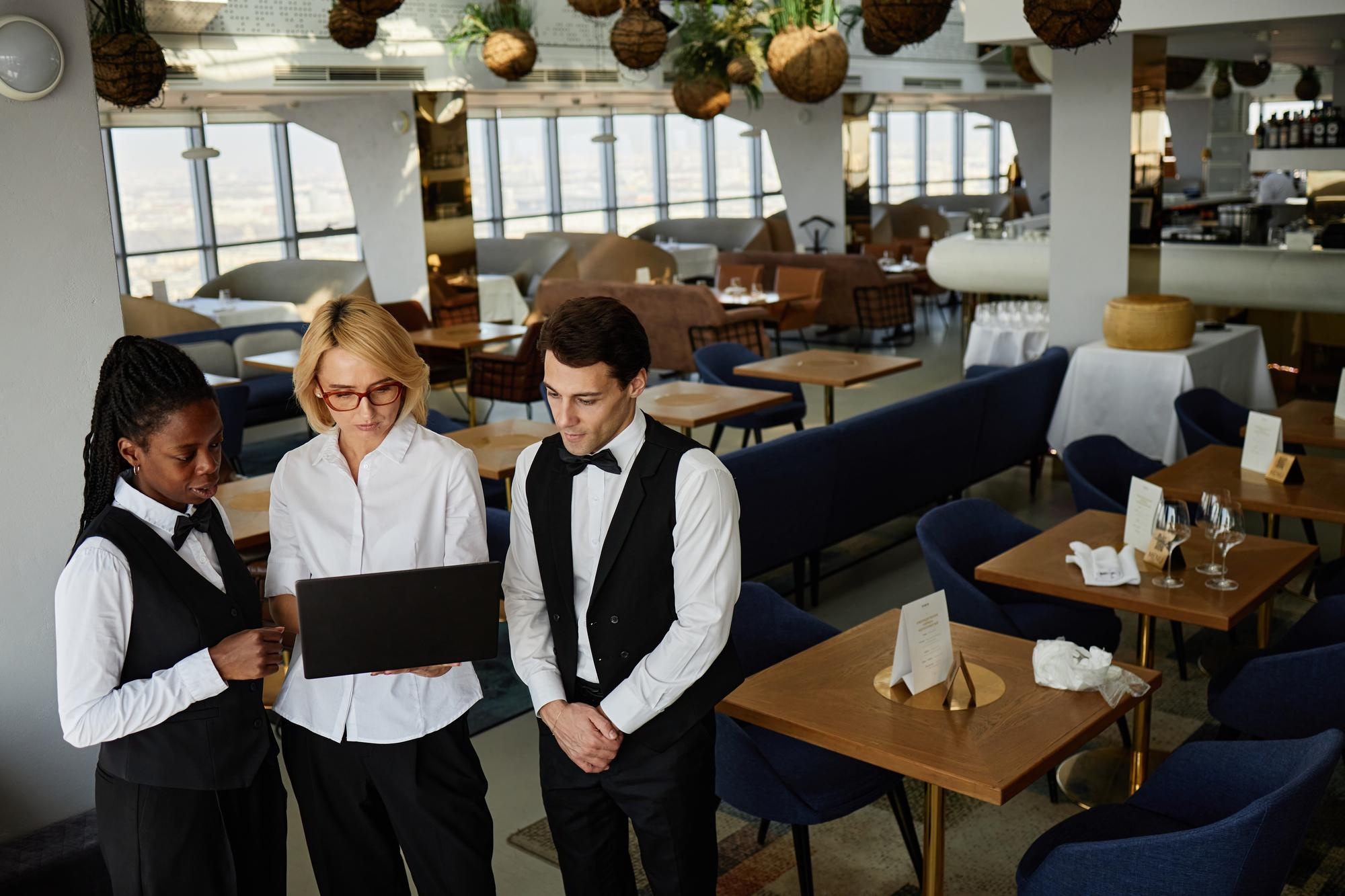
The Driving Forces Behind the Paperless Revolution in UAE Hospitality
The widespread adoption of paperless operations in UAE hospitality is not a spontaneous trend but a strategic response to a confluence of powerful drivers. This shift is being propelled by a top-down national vision, a bottom-up demand for greater efficiency, and the ever-evolving expectations of a global clientele. Understanding these forces is key to appreciating the depth and permanence of the UAE F&B paperless trend.
At the highest level, the move towards sustainable hospitality is deeply intertwined with the UAE’s ambitious national strategies. Initiatives like the UAE Vision 2030 and the UAE Net Zero by 2050 strategic initiative have set a clear agenda for a more sustainable and environmentally conscious economy. The hospitality sector, as a major contributor to the nation’s GDP and a significant consumer of resources, is playing a crucial role in achieving these goals. By embracing paperless hotel operations in Dubai and beyond, hotels and restaurants are not just making a positive environmental impact; they are also aligning themselves with the nation’s long-term vision and demonstrating their commitment to corporate social responsibility. This makes the adoption of green hotels UAE practices a matter of both ecological and national pride.
The relentless pursuit of F&B operational efficiency is another powerful catalyst for the paperless revolution. The traditional, paper-based workflows that have long been the standard in the hospitality industry are notoriously inefficient, prone to errors, and costly. From taking orders on paper dockets to managing inventory with clipboards and spreadsheets, these outdated processes create bottlenecks, slow down service, and lead to a significant amount of waste. By digitizing these workflows with restaurant management software and other hotel technology UAE, businesses can streamline their operations, reduce costs, and free up their staff to focus on what matters most: providing an exceptional guest experience. The cost savings of paperless restaurant operations are a major incentive for businesses to make the switch.
Finally, the shift towards paperless operations in UAE hospitality is being driven by the evolving expectations of the modern guest. Today’s travelers and diners are more tech-savvy, environmentally conscious, and demanding than ever before. They expect a seamless, convenient, and personalized experience, and they are increasingly choosing to support businesses that share their values. By offering contactless dining options, digital menus in Dubai, and other paperless solutions, hotels and restaurants can meet these expectations and create a more modern and appealing brand image. Improving guest experience with paperless technology is no longer a luxury; it is a necessity for any business that wants to stay competitive in the dynamic and demanding UAE hospitality market.
The Digital Toolkit: Key Technologies Enabling Paperless Operations
The transition to paperless operations in UAE hospitality is being made possible by a growing ecosystem of innovative hotel technology UAE and restaurant management software. These digital tools are replacing outdated, paper-based processes in every area of the business, from the front-of-house to the back-of-house and beyond. This is the technology for sustainable hospitality in the UAE that is driving the UAE F&B paperless trend.
Revolutionizing the Front-of-House (FOH)
The most visible signs of the paperless revolution are in the front-of-house, where technology is transforming the way guests interact with hotels and restaurants:
- Beyond the menu: The role of Digital Menus and QR Code Ordering: As we have explored in previous articles, digital menus in Dubai and across the UAE have become the new standard. By scanning a simple QR code, guests can access a dynamic and interactive menu on their own smartphone, complete with high-quality images, videos, and detailed descriptions. This not only eliminates the need for paper menus but also enables a more engaging and convenient ordering experience.
- Seamless transactions: Contactless Payments and Digital Invoicing: The move towards a cashless society has been accelerated by the pandemic, and contactless dining is now the preferred option for many guests. By integrating contactless payment options into their POS systems, restaurants can offer a faster, more secure, and more hygienic payment experience. Digital invoicing for corporate clients and events also helps to reduce paper usage and streamline the billing process.
- Modern networking: The adoption of Digital Business Cards for staff: The traditional paper business card is another casualty of the paperless revolution. Hotels and restaurants are increasingly providing their staff with digital business cards, which can be shared with a simple tap or scan. This is a more modern, sustainable, and effective way to network and to share contact information.
Streamlining the Back-of-House (BOH)
The paperless revolution is also transforming the back-of-house, where technology is helping to improve F&B operational efficiency and to reduce waste:
- Order up: How Kitchen Display Systems (KDS) are replacing paper tickets: The chaotic and often messy system of paper order tickets is being replaced by sleek and efficient Kitchen Display Systems (KDS). Orders are sent directly from the POS to a screen in the kitchen, which helps to improve accuracy, reduce errors, and speed up service. This is a key component of the modern paperless office F&B.
- Smarter stocking: Digital Inventory and Supplier Management platforms: Managing inventory and suppliers with clipboards and spreadsheets is a time-consuming and error-prone process. Digital inventory and supplier management platforms allow restaurants to track their stock levels in real-time, to automate the ordering process, and to communicate more effectively with their suppliers. This helps to reduce food waste, to control costs, and to ensure that the kitchen is always well-stocked.
- The central hub: Cloud-based POS and integrated Restaurant Management Systems: At the heart of the modern, paperless restaurant is a cloud-based POS and integrated restaurant management software. This central hub connects all of the different systems and technologies in the restaurant, from the front-of-house to the back-of-house, and provides a single source of truth for all data and information. This allows for a more holistic and data-driven approach to restaurant management.
Enhancing the End-to-End Hotel Guest Cycle
In the hotel sector, the UAE hospitality paperless operations are enhancing the entire guest cycle, from check-in to check-out:
- First impressions: Digital check-in/check-out and mobile room keys: Long queues at the front desk are becoming a thing of the past, thanks to digital check-in/check-out and mobile room keys. Guests can now check in on their smartphone, receive a digital key, and go straight to their room, all without having to interact with a single piece of paper. This is a key part of implementing paperless systems in Dubai hotels.
- In-room convenience: Replacing paper directories with tablets and smart hubs: The bulky and often outdated paper directories that used to be a staple of every hotel room are being replaced by tablets and smart hubs. These devices provide guests with all the information they need, from the room service menu to the local area guide, in a more convenient and interactive format.
- Closing the loop: Digital feedback forms and guest communication channels: Instead of paper feedback forms, hotels are now using digital channels to gather feedback from their guests. This can be done through email, SMS, or in-room tablets, and it allows for a more timely and efficient way to collect and respond to guest feedback.
The Tangible Benefits: Why Going Paperless Makes Business Sense?
The UAE hospitality’s move to paperless is not just about keeping up with the latest trends; it is a strategic business decision that delivers a wide range of tangible benefits. From reducing environmental impact and saving costs to enhancing operational efficiency and improving the guest experience, the case for paperless operations in UAE hospitality is compelling and multifaceted. These are the benefits of paperless operations for restaurants and hotels that are driving the industry towards a more sustainable and profitable future.
Environmental Impact and Corporate Social Responsibility (CSR)
The most obvious benefit of going paperless is the positive impact on the environment. The hospitality industry is a major consumer of paper, from menus and order tickets to invoices and guest directories. By digitizing these documents, hotels and restaurants can significantly reduce their paper consumption, which in turn helps to save trees, reduce water usage, and lower carbon emissions. This is a key part of the sustainable hospitality movement and is a powerful way for businesses to demonstrate their commitment to corporate social responsibility (CSR). In a world where consumers are increasingly making their purchasing decisions based on a company’s environmental credentials, being a green hotel in the UAE is a major competitive advantage.
Operational Efficiency and Impressive Cost Savings
Beyond the environmental benefits, paperless operations in UAE hospitality can also lead to significant improvements in F&B operational efficiency and impressive cost savings. The cost savings of paperless restaurant operations can be seen in a number of areas, including:
- Reduced costs on paper, printing, ink, and storage: The direct costs of paper and printing can add up quickly, especially for large hotels and restaurant chains. By going paperless, businesses can eliminate these costs and reallocate those resources to more productive areas.
- Minimized human errors and improved communication: Paper-based workflows are prone to errors, from illegible handwriting on an order ticket to a misplaced invoice. By digitizing these processes, businesses can minimize the risk of human error and improve communication between the front-of-house and the back-of-house.
- Streamlined workflows and increased productivity: Paperless technology in UAE F&B can help to streamline workflows and to free up staff time for more value-added tasks. For example, instead of manually entering orders into the POS system, servers can take orders on a tablet, which are then sent directly to the kitchen. This not only speeds up service but also allows servers to spend more time interacting with guests.
An Elevated, Secure, and Modern Guest Experience
Ultimately, the goal of any hotel technology UAE is to improve the guest experience, and paperless solutions for UAE hotels and restaurants are no exception. By offering convenience, speed, and personalization, paperless technology can help to create a more modern and enjoyable experience for guests. This is how improving guest experience with paperless technology is becoming the new standard of service.
From the convenience of contactless dining and digital check-in to the enhanced security of mobile room keys and contactless payments, paperless technology is making the guest journey smoother, safer, and more seamless than ever before. It also allows for a greater degree of personalization, as hotels and restaurants can use the data they collect to tailor their services to the individual needs and preferences of each guest. This is a key part of the future of paperless F&B operations and is a powerful way to build guest loyalty and to drive repeat business.
Leading the Charge: Case Studies from the UAE’s Hospitality Sector
The theoretical benefits of paperless operations in UAE hospitality are being proven in the real world by forward-thinking hotels and restaurants across the country. These early adopters are not just implementing new technologies; they are fundamentally rethinking their operations to create a more sustainable, efficient, and guest-centric experience. These case studies provide a glimpse into the practical application of the UAE F&B paperless trend.
A Luxury Dubai Hotel’s Journey to a Fully Integrated Paperless Guest Experience
A prominent luxury hotel in Dubai has embarked on a comprehensive journey to create a fully integrated and paperless hotel operations Dubai experience. The process begins before the guest even arrives, with a seamless online check-in system that allows them to upload their documents and preferences in advance. Upon arrival, they can bypass the front desk and use their smartphone as a mobile room key. In the room, the traditional paper directory has been replaced with a tablet that provides access to all hotel services, from ordering room service to booking spa treatments. The hotel has also implemented a paperless feedback system, which has led to a significant increase in guest feedback and has allowed them to respond to issues more quickly and effectively. This is a prime example of how are UAE hotels reducing paper usage while simultaneously improving guest experience with paperless technology.
How a Popular Abu Dhabi Restaurant Chain Digitized its Back-of-House for Maximum Efficiency?
A popular restaurant chain in Abu Dhabi has focused its paperless efforts on the back-of-house, with the goal of maximizing F&B operational efficiency. The chain has replaced its traditional paper-based ordering system with a state-of-the-art Kitchen Display System (KDS), which has dramatically improved communication between the front-of-house and the kitchen. They have also implemented a digital inventory management system, which has helped them to reduce food waste and to control costs. The result has been a significant improvement in service speed, order accuracy, and overall profitability. This case study demonstrates the powerful benefits of paperless operations for restaurants and provides a clear roadmap for other businesses looking to digitize their back-of-house operations.
A Boutique Hotel’s Creative Use of Technology to Eliminate Paper and Enhance its Brand Story
A boutique hotel in the heart of Dubai has taken a creative and brand-focused approach to its paperless hospitality in the UAE strategy. The hotel has eliminated almost all paper from its operations, from the check-in process to the in-room dining menu. But they have gone a step further by using technology to enhance their brand story. For example, instead of a paper-based local area guide, they have created an interactive digital map that highlights the hidden gems and local experiences that are unique to their neighborhood. They have also replaced their paper-based guest feedback forms with a fun and engaging digital survey that is designed to feel more like a conversation than a questionnaire. This creative use of technology for sustainable hospitality in the UAE has not only helped the hotel to reduce its environmental impact but has also created a more memorable and engaging guest experience.
Navigating the Transition: Challenges and Best Practices for a Smooth Rollout
While the benefits of paperless operations in UAE hospitality are clear, the transition from traditional, paper-based workflows to a fully digitized system is not without its challenges. By anticipating these challenges and by following a few key best practices, hotels and restaurants can ensure a smooth and successful rollout of their new paperless solutions for UAE hotels and restaurants. This is a key part of implementing paperless systems in Dubai hotels and is crucial for avoiding the common challenges of going paperless in the hospitality industry.
One of the biggest hurdles to overcome is the initial investment. The cost of new hardware, software, and training can be significant, especially for small and independent businesses. However, it is important to look beyond the initial outlay and to calculate the long-term return on investment (ROI). The cost savings of paperless restaurant operations in terms of reduced paper, printing, and labor costs, as well as the potential for increased revenue through improved efficiency and an enhanced guest experience, will often outweigh the initial investment in the long run.
The critical role of comprehensive staff training and change management cannot be overstated. New technology is only as good as the people who use it, so it is essential to provide your staff with the training and support they need to feel comfortable and confident with the new systems. This should include not just technical training on how to use the new software and hardware, but also training on the new workflows and processes that go along with it. It is also important to communicate the benefits of the new system to your staff and to get their buy-in from the very beginning.
Finally, it is important to overcome potential guest resistance and to ensure accessibility for all demographics. While many guests will welcome the convenience and modernity of paperless hospitality in the UAE, others may be less comfortable with new technology. It is important to provide alternatives for those who prefer a more traditional approach, such as offering to print a copy of the menu or the bill upon request. It is also crucial to ensure that your digital solutions are accessible to everyone, including guests with disabilities. This means choosing a digital menu Dubai platform that is compatible with screen readers and other assistive technologies, and ensuring that your digital check-in process is easy to navigate for people of all ages and abilities.
The Inevitable and Sustainable Future of UAE Hospitality is Paperless
The shift towards paperless operations in UAE hospitality is more than just a passing trend; it is a fundamental transformation that is reshaping the industry from the inside out. Driven by a national commitment to sustainability, a relentless pursuit of efficiency, and the evolving expectations of a new generation of travelers and diners, the UAE F&B paperless trend is here to stay. The future of paperless F&B operations is not a question of if, but when.
From the front-of-house to the back-of-house, the digital toolkit of the modern hotel and restaurant is expanding at a rapid pace. Digital menus, contactless dining, kitchen display systems, and mobile room keys are no longer novelties; they are essential tools for any business that wants to stay competitive in the dynamic and demanding UAE market. The benefits of paperless operations for restaurants and hotels are clear, from the positive impact on the environment to the significant improvements in operational efficiency and the guest experience.
While the transition to a fully paperless system may present some challenges, these can be overcome with careful planning, a strategic approach to implementation, and a commitment to staff training and guest accessibility. The case studies from across the UAE demonstrate that the journey to a paperless future is not only possible but also highly rewarding. The green standard has been set, and the future of UAE hospitality is, without a doubt, paperless.
