

Scan, Order, Savor: How QR Menus Are Redefining Dubai’s Dining Scene
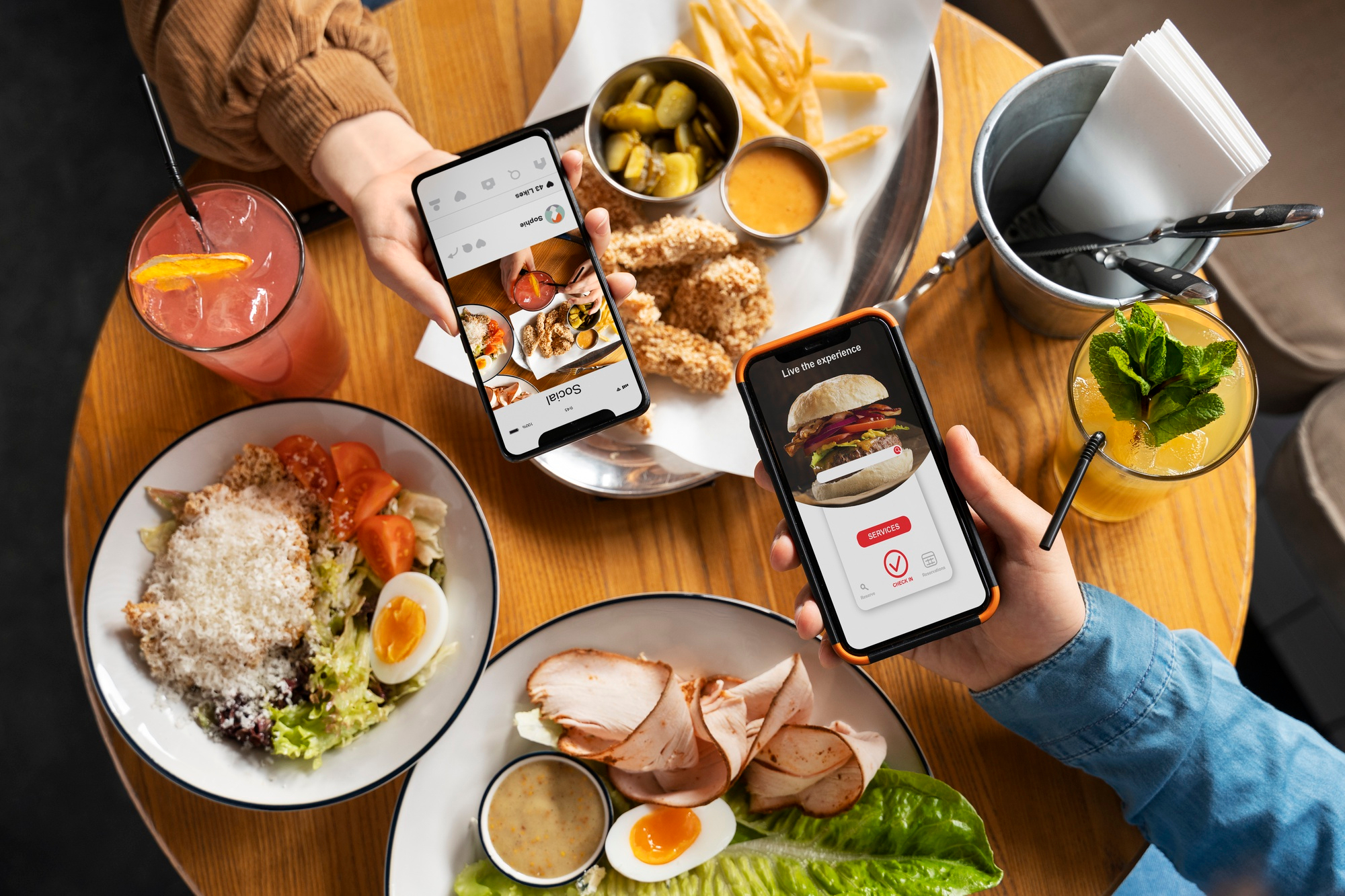
Dubai is famous for building the extraordinary—and its food scene is no different. For years, dining started with a server handing you a heavy, beautifully designed paper menu. Today, most tables begin with a quick scan: point your phone at a square and the whole menu opens instantly. That little QR code has quietly replaced the paper ritual, making it faster to browse dishes, check photos, and decide what to eat without waiting. It fits how people live now—always online, always mobile. Whether you’re grabbing a quick bite in a mall or celebrating at a skyline‑view hotspot, the experience starts on your screen.
QR menus aren’t just a hygiene measure or a temporary trend; they reflect Dubai’s bigger push to be a smart, connected city. A digital menu can be updated in seconds, show clear dietary and allergen details, switch languages, and highlight specials with mouth‑watering visuals. Many also connect directly to ordering and payment, so guests can move from browsing to checkout in a few taps. Behind the scenes, this shift changes how restaurants work—cutting printing costs, reducing order errors, speeding up table turns, and giving owners real data about what guests view, choose, and skip. That insight helps chefs and managers price smarter, promote the right dishes, and plan inventory with less waste.
At FnBInsight, we’ll look closely at what this means for Dubai’s restaurants and diners alike. We’ll go beyond “it’s convenient” to unpack how QR menus influence pricing and profits, staffing and service flow, and the psychology of choice on a small phone screen. We’ll explore how this tiny black‑and‑white square is reshaping operations today while laying the rails for what’s next—AI‑powered recommendations, richer storytelling, and hyper‑personal experiences. Most importantly, we’ll show why QR menus are more than a new way to read a list of dishes: they’re a catalyst shaping the next chapter of hospitality across the UAE and beyond.
Beyond Hygiene: The Spark That Set Off Dubai’s QR Menu Revolution
When QR code menus first appeared in Dubai, they solved a very real problem: people wanted to dine out without touching shared surfaces. Scanning a small square with your phone felt clean, quick, and effortless—no waiting for a server to hand over a menu, no worries about who used it last. What began as a safety fix soon proved to be a smoother way to start any meal. In a city that moves fast and values convenience, it made perfect sense for the menu to live where customers already are—on their phones.
But the rapid rise of QR menus wasn’t just about the moment; it was about momentum. Dubai has spent years building a smart-city culture—from transport to government services—that gets residents comfortable doing everyday tasks digitally. Locals and expats alike are used to scanning, tapping, and transacting on the go. That digital fluency meant restaurants didn’t have to convince guests to try something new; the habit was already there. Instead of feeling like a barrier, QR menus felt like an upgrade: clearer photos, better descriptions, instant language options, and real-time updates when dishes sell out or specials drop.
Behind the scenes, the business case was even stronger. Dubai’s F&B scene is competitive and high-pressure, with tight margins and high operating costs. QR menus cut printing expenses, reduce ordering errors, speed up table turns, and—most importantly—unlock data about what guests view, consider, and actually buy. With those insights, owners can price smarter, promote the right dishes, and plan inventory with less waste. The pandemic may have sparked the change, but Dubai’s smart-city vision, tech-savvy diners, and relentless competition turned it into a lasting shift—setting the stage for a fully digital dining experience that keeps evolving.
Deconstructing the Digital Menu: A Paradigm Shift in Restaurant Operations
A QR Code Menu doesn’t just replace paper—it becomes the engine of service from scan to bill. Guests scan to order at the table and pay on their phones, while the menu syncs with the POS and kitchen display systems to route tickets with fewer handoffs. Because it’s a living digital menu, it adapts by time of day, auto‑hiding out‑of‑stock items, pacing orders when the line is busy, and spotlighting high‑margin dishes. In plain terms, it reduces waste, smooths the lunch‑rush chaos, lifts average order value, and frees staff to focus on hospitality instead of paperwork.
Beyond operations, a QR Code Menu is a marketing and insights tool. This contactless menu supports mobile ordering, multi‑language views, allergen labels, and quick links to loyalty and CRM so first‑time guests turn into regulars. Deep links let you share a brunch or Ramadan set menu on Instagram or WhatsApp; table‑specific QR codes enable simple A/B tests on photos, pricing, or copy. Clear analytics—what guests viewed, ordered, and where they dropped off—help managers refine layout, images, and wording so decisions are faster and results are better without adding friction for the guest.
Operational quick wins with a QR Code Menu
- Real‑time availability (auto‑hide items when stock runs out).
- Order pacing and kitchen load balancing during rush hours.
- One‑tap modifiers and allergen labels for fewer mistakes.
- Time‑based or shift‑based menus (lunch, happy hour, late night).
- Table‑level bundles and upsells to increase ticket size.
- Seamless restaurant POS integration and instant receipts.
- Menu analytics for layout, photo, and price optimization.
- Loyalty capture and remarketing without extra apps.
- Multi‑language support and accessibility (large text, image alt‑text).
- Scan‑to‑order, order‑at‑table, and pay‑at‑table flows guests already understand.
The End of an Era: The Inefficiencies of the Printed Menu
For years, paper menus felt like part of the dining ritual—but they quietly slowed restaurants down. Every small change meant redesigning, reprinting, and waiting for delivery, so prices and dishes often lagged behind real‑world shifts in ingredients and costs. When an item ran out, staff had to break the news at each table. And because a printed menu can’t capture what guests look at or compare, owners miss out on insights that could improve layout, pricing, and selection. Beautiful as they are, paper menus are a one‑way tool from a pre‑digital era—costly to maintain, slow to update, and blind to customer behavior.
The Dawn of a New Age: The Multifaceted Advantages of the Digital Menu
A QR Code Menu breaks past these limitations and gives restaurants real flexibility and control. Think of the wins in three buckets: operational efficiency, financial benefits, and data-driven decision-making.
Operational Efficiency: Agility in a Fast-Paced World
In the fast-paced world of the Dubai restaurant scene, the ability to adapt quickly is a key determinant of success. The digital menu provides this agility in spades.
Real-Time Menu Management: Perhaps the most celebrated feature of digital menus is the ability to make instant updates. A dish runs out? Remove it from the menu with a single click. A new special of the day? Add it in seconds, complete with a mouth-watering photo. This real-time control ensures that customers are never disappointed by ordering an unavailable item, and allows restaurants to be more creative and spontaneous with their offerings.
Reduced Service Friction: The traditional ordering process can be a significant bottleneck, especially during peak hours. Customers may have to wait for a server to bring them a menu, and then wait again to place their order. The QR code menu eliminates these delays, allowing customers to browse the menu and even place their order the moment they are ready. This not only improves the customer experience but also frees up servers to focus on higher-value tasks, such as providing recommendations and ensuring customer satisfaction.
Enhanced Order Accuracy: Miscommunication between customers and servers, or between servers and the kitchen, can lead to costly errors. Digital ordering systems that integrate with QR code menus can significantly reduce these errors by transmitting the order directly from the customer to the kitchen. This ensures that the order is accurate, reducing food waste and improving customer satisfaction.
Financial Benefits: A Healthier Bottom Line
The operational efficiencies of the digital menu translate directly into tangible financial benefits.
Elimination of Printing Costs: The most obvious financial benefit is the complete elimination of menu printing costs. For large restaurant groups or venues that frequently change their menus, this can represent a significant annual saving. This money can then be reallocated to other areas of the business, such as marketing or staff development.
Increased Table Turnover: By speeding up the ordering and payment process, QR code menus can help to increase table turnover rates. This means that restaurants can serve more customers in a given period, leading to a direct increase in revenue. In a city like Dubai, where rent is high and margins are often tight, even a small increase in table turnover can have a significant impact on profitability.
Upselling and Cross-selling Opportunities: Digital menus provide a powerful platform for upselling and cross-selling. Restaurants can use high-quality images and enticing descriptions to tempt customers with premium items, side dishes, and desserts. They can also use data on customer preferences to make personalized recommendations, further increasing the average check size.
Data-Driven Decision-Making: The New Gold Rush
Beyond the immediate operational and financial benefits, the QR code menu unlocks a treasure trove of data that can be used to make smarter, more strategic business decisions. This is perhaps the most transformative aspect of the technology, turning the menu from a simple sales tool into a powerful business intelligence platform.
Understanding Customer Preferences: By tracking which menu items are most frequently viewed, which are most frequently ordered, and which are most frequently abandoned, restaurants can gain an unprecedented level of insight into customer preferences. This data can be used to identify the most and least popular dishes, and to make informed decisions about which items to keep, which to remove, and which to promote.
Menu Engineering: The data collected from QR code menus can be used to strategically design the menu to maximize profitability. This practice, known as menu engineering, involves analyzing the popularity and profitability of each menu item and using this information to influence customer choices. For example, a restaurant might place its most profitable items in the most prominent positions on the digital menu, or use enticing images to draw attention to high-margin dishes.
Personalized Marketing: By linking QR code menu data with a customer relationship management (CRM) system, restaurants can build detailed profiles of their customers and use this information to deliver personalized marketing messages. For example, a restaurant could send a special offer to a customer who has previously ordered a particular dish, or notify them when a new item that matches their preferences is added to the menu. This level of personalization can significantly improve customer loyalty and drive repeat business.
The Diner’s Perspective: A More Empowering and Engaging Experience
While the benefits of QR code menus for restaurants are clear and compelling, their success ultimately hinges on their ability to enhance the diner’s experience. In this regard, the digital menu has proven to be a resounding success, offering a level of convenience, control, and engagement that traditional menus simply cannot match.
A Seamless and Convenient Journey
Today we use our phones to book rides, flights, and even shop for clothes, so waiting for a paper menu feels old-fashioned. A QR code menu puts dishes, photos, prices, and dietary details on your screen in seconds, so you can start browsing the moment you sit down. No waiting for a server, no passing shared menus around—just a smooth, modern flow from scan to selection to payment. It’s faster for guests, clearer for groups, and easier for anyone who prefers large text or multiple languages—exactly the kind of 21st‑century convenience diners expect.
Instant Access: The most immediate benefit for the diner is instant access to the menu. No more craning your neck to catch the waiter’s eye; a quick scan of the QR code and the entire menu is at your fingertips. This simple act of empowerment sets the tone for a more relaxed and enjoyable dining experience.
Self-Paced Ordering: The digital menu allows customers to browse at their own pace, without feeling rushed by a server who is waiting to take their order. This is particularly beneficial for large groups or for those who are unfamiliar with the cuisine. It also allows for more considered decision-making, as customers have the time to read detailed descriptions and look at images of the dishes.
Effortless Payment: The final hurdle in the traditional dining experience is often the payment process. Waiting for the bill, checking it for accuracy, and then waiting again for the card machine can be a frustrating end to an otherwise enjoyable meal. QR code menu systems that integrate with payment gateways eliminate this friction, allowing customers to pay their bill directly from their phone in a matter of seconds.
A Richer and More Engaging Interface
The digital menu is not just a more convenient version of the printed menu; it is a fundamentally different and more engaging medium. By leveraging the power of the smartphone, restaurants can create a multisensory experience that goes far beyond a simple list of dishes.
Visual Storytelling: A picture is worth a thousand words, and this is especially true when it comes to food. Digital menus allow restaurants to showcase their dishes with high-quality images and even videos, giving customers a much better sense of what they are ordering. Photos and short videos of dishes make people hungry and motivate them to try new items.
Detailed Information: The digital format allows for a much greater level of detail than a printed menu. Restaurants can provide comprehensive information about each dish, including its ingredients, preparation methods, and nutritional information. This is a huge benefit for customers with dietary restrictions or for those who are simply curious about what they are eating.
Interactive Elements: The digital menu can also incorporate interactive elements, such as customer reviews, chef’s recommendations, and social media integrations. This turns the menu from a passive object into an active and engaging platform, creating a more memorable and enjoyable experience for the diner.
The Power of Integration: Building a Connected Restaurant Ecosystem
The true transformative power of the QR code menu is realized when it is integrated with a restaurant’s other digital systems, creating a connected ecosystem that drives efficiency, enhances the customer experience, and unlocks new revenue streams. This is where the simple QR code evolves from a standalone tool into the central nervous system of the modern restaurant.
The Rise of the All-in-One Platform
Recognizing the immense potential of this integrated approach, a new generation of technology companies has emerged, offering all-in-one platforms that combine QR code menus with a suite of other digital tools. These platforms, such as QRHUB, provide a one-stop shop for restaurants looking to digitize their operations. They offer a range of features, including:
Customizable Menu Builders: These tools allow restaurants to create beautiful, on-brand digital menus with ease. They offer a range of templates and customization options, allowing restaurants to create a menu that perfectly reflects their unique identity.
Integrated Ordering and Payment: These platforms seamlessly integrate with a restaurant’s point-of-sale (POS) system, allowing for a smooth and efficient ordering and payment process. This eliminates the need for manual order entry, reducing errors and freeing up staff to focus on customer service.
CRM and Marketing Tools: Many of these platforms also include built-in CRM and marketing tools. These tools allow restaurants to collect customer data, build detailed customer profiles, and deliver targeted marketing campaigns. This turns the menu into a powerful lead generation and customer retention tool.
The Synergy with Social Media: A Match Made in Marketing Heaven
In the hyper-visual world of social media, a restaurant’s online presence is just as important as its physical one. This is particularly true in Dubai, where the “Instagrammability” of a restaurant can be a key factor in its success. The QR code menu creates a powerful synergy with social media, allowing restaurants to create a seamless customer journey that blurs the lines between the online and offline worlds.
This is where a skilled digital agency makes all the difference. They specialize in creating the kind of compelling visual content and engaging brand narratives that thrive on platforms like Instagram. Partnering with a leading branding and advertising agency ensures your digital menu is not just functional—it’s a polished, engaging extension of your brand. The journey might start with a potential customer seeing a stunning photo of a dish on Instagram, then clicking a link to view the full menu, and finally booking a table directly through the platform. When they arrive at the restaurant, they are greeted with a QR code that takes them to the same beautiful, on-brand menu they saw online. This seamless and consistent experience is the hallmark of a truly modern and customer-centric restaurant.
The Road Ahead: The Future of Dining in Dubai and Beyond
The adoption of QR code menus is not the end of the story; it is the beginning of a new chapter in the evolution of the restaurant industry. As technology moves quickly, expect new ideas that make dining even better. QR codes set the stage for restaurants where the physical space and the digital experience work as one.
The Next Wave of Innovation: AI, AR, and Hyper-Personalization
The next wave of restaurant technology will be driven by artificial intelligence (AI) and augmented reality (AR). These technologies will allow for a level of personalization and immersion that is currently unimaginable.
AI-Powered Recommendations: Imagine a menu that knows what you want to eat before you do. By analyzing your past orders, your dietary preferences, and even the time of day, AI-powered recommendation engines will be able to suggest dishes that you are likely to enjoy. This will not only enhance the customer experience but also help restaurants to increase sales and reduce food waste.
AR Menu Previews: Augmented reality will allow customers to see a 3D model of a dish on their table before they order it. This will give them a much better sense of the portion size and presentation, and will help them to make more informed decisions. It will also add a fun and futuristic element to the dining experience.
Hyper-Personalization: The data collected from QR code menus, combined with AI and machine learning, will allow for a level of hyper-personalization that goes far beyond simple menu recommendations. Restaurants will be able to create unique and individualized experiences for each customer, from personalized greetings to custom-tailored menus. This will be the ultimate expression of customer-centricity.
Navigating the Challenges: The Human Element in a Digital World
Of course, the transition to a more digital-first future will not be without its challenges. One of the biggest challenges will be to ensure that the human element is not lost in the rush to adopt new technologies. While efficiency and convenience are important, they should not come at the expense of genuine hospitality. The role of the server will need to evolve, from a simple order-taker to a brand ambassador and a curator of the dining experience. They will need to be trained to use the new technologies effectively, and to focus on providing the kind of warm, personal service that technology can never replace.
Another challenge will be to ensure that the new technologies are accessible to everyone. Not all customers are equally tech-savvy, and some may not have a smartphone or may simply prefer a traditional menu. Restaurants will need to be mindful of this and offer a range of options to cater to all needs and preferences. The goal should be to use technology to enhance the dining experience, not to create new barriers.
From Scan to Service: Dubai’s New Era of Hospitality
Dubai’s quick shift to QR code menus shows a city that loves new ideas—and turns challenges into wins. What began as a simple solution to a public health concern has blossomed into a full-blown technological revolution that is reshaping the very foundations of the restaurant industry. The QR code has proven to be a gateway technology, opening the door to a new era of efficiency, profitability, and customer engagement.
By embracing the digital menu, restaurants in Dubai are not just keeping up with the times; they are actively shaping the future of hospitality. They are creating a dining experience that is more convenient, more engaging, and more personalized than ever before. And while the technology will continue to evolve, one thing is certain: the QR code is here to stay. It is a small but powerful symbol of a much larger transformation, a transformation that is making the Dubai dining scene one of the most exciting and dynamic in the world.
