

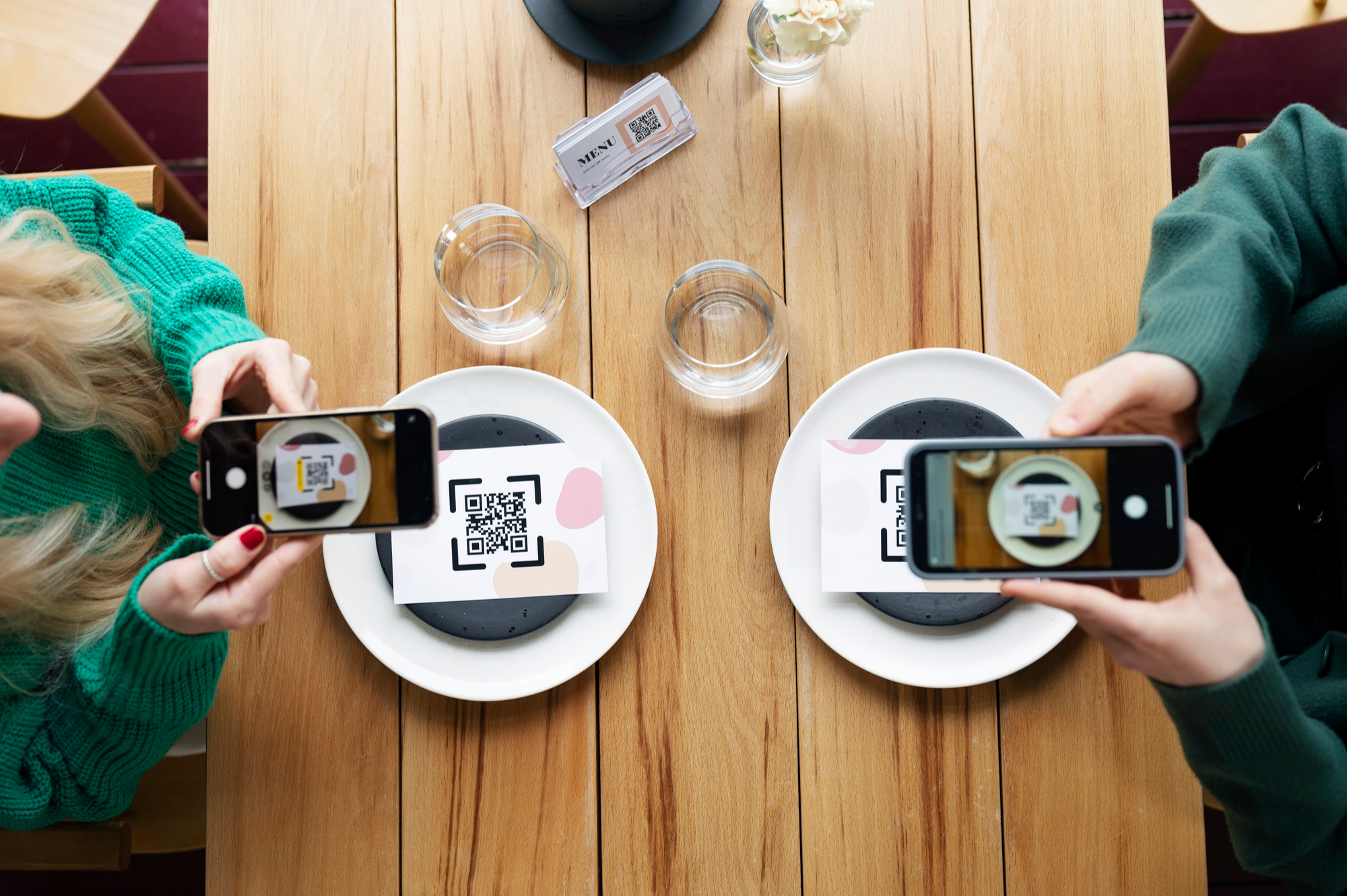
How Smart QR Codes Are Helping Abu Dhabi Restaurants Track Customer Preferences?
The dining landscape in Abu Dhabi has undergone a remarkable transformation in recent years, driven by a wave of technological innovation that is reshaping how restaurants connect with their patrons. At the forefront of this revolution is the humble QR code, which has evolved from a simple digital novelty into a sophisticated tool for enhancing the customer experience. Initially adopted as a public health measure to enable contactless dining during the pandemic, QR codes have since unlocked a new frontier of possibilities for the UAE’s vibrant food and beverage sector.
Today, they are no longer just a gateway to a static PDF menu; instead, they have become intelligent, data-driven assets that offer deep insights into consumer behavior. This article explores how smart QR codes in Abu Dhabi restaurants are moving beyond basic functionalities to become indispensable tools for tracking customer preferences, personalizing service, and optimizing business operations in a competitive market.
The key to this evolution lies in the distinction between static and dynamic QR codes. While a static code permanently links to a fixed destination, a dynamic or “smart” QR code can be updated in real-time, allowing restaurants to modify menus, launch promotions, and gather valuable analytics without reprinting a single piece of marketing material. This capability has turned every table into a potential data goldmine, providing restaurateurs with the information they need to make smarter, more informed decisions. As we delve deeper, we will uncover how this powerful restaurant technology is not only streamlining operations but also creating more engaging and personalized dining experiences for customers across the capital.
Understanding Smart QR Code Technology in the Restaurant Context
To fully appreciate the impact of smart QR codes on the dining industry, it is essential to understand the technology that powers them and how it represents a significant leap forward from traditional methods. The transition from paper menus to intelligent digital solutions is not merely a change in format but a fundamental shift in how restaurants operate and interact with their customers.
What Makes a QR Code “Smart”?
A QR code becomes “smart” when it is dynamic, meaning the encoded URL can be edited at any time while the QR code itself remains unchanged. This is achieved by linking the code to a redirect URL that hosts the actual content. Unlike static codes, which embed the final destination link directly, dynamic codes offer unparalleled flexibility. This allows restaurants to update their menus daily, promote limited-time offers, or even redirect customers to a feedback form after their meal, all using the same QR code printed on their tables.
Beyond this editability, smart QR codes are defined by their capacity for real-time data collection. Every scan can be tracked, providing a wealth of information such as the time and location of the scan, the device used, and the user’s language preferences. This data is then fed into a cloud-based analytics dashboard, where restaurant managers can visualize trends, measure the performance of their promotions, and gain a deeper understanding of customer engagement. Furthermore, these platforms often offer extensive customization options, enabling restaurants to incorporate their branding, colors, and logos into the QR code design, creating a seamless and professional brand experience.
The Evolution from Paper Menus to Intelligent Digital Solutions
The adoption of QR codes in the UAE restaurants began as a reactive measure to the health and safety challenges posed by the pandemic. The need for contactless dining experiences accelerated the transition away from physical menus, and QR codes offered a simple and effective solution. In their initial form, most were static links to PDF files, which, while functional, offered little more than a digital replica of their paper counterparts.
However, as both restaurants and diners grew more comfortable with the technology, its potential became increasingly apparent. The industry quickly moved beyond these basic applications toward more advanced, integrated systems. Today, smart QR solutions are connected to a restaurant’s core operational infrastructure, including Point of Sale (POS), Customer Relationship Management (CRM), and inventory management systems.
This integration allows for a host of sophisticated functionalities, such as real-time menu updates based on ingredient availability, personalized greetings for returning customers, and seamless tableside ordering and payment. This evolution marks a pivotal shift from a simple safety tool to a comprehensive platform for enhancing operational efficiency and delivering a superior customer experience.
How Abu Dhabi Restaurants Are Using Smart QR Codes to Track Customer Preferences?
The true power of smart QR codes lies in their ability to transform customer interactions into actionable data. For smart QR codes in Abu Dhabi restaurants, this means gaining an unprecedented level of insight into diner behavior and preferences. By leveraging QR code analytics, restaurants can move from making educated guesses to data-driven decisions that enhance every aspect of their service.
Menu Item Analytics and Popular Dish Tracking
One of the most immediate benefits of a digital menu is the ability to track how customers interact with it. Smart QR code platforms can monitor which menu items are viewed most frequently, how much time a customer spends on a particular dish description, and which items are most often added to the cart but not ordered. This granular level of data allows restaurant managers to identify their most popular dishes, as well as those that may need a menu redesign or a new promotional push.
For example, if a high-profit-margin dish is receiving few views, the restaurant could feature it more prominently on the digital menu or create a special offer to boost its visibility. Conversely, if a dish is consistently viewed but rarely ordered, it might indicate that the price is too high or the description is not compelling enough. This continuous feedback loop enables dynamic menu engineering, ensuring the offerings are always aligned with customer demand.
Dining Behavior and Pattern Recognition
Beyond individual menu items, smart QR codes provide a wealth of information about broader dining behaviors. Restaurants can analyze peak dining times with greater accuracy, helping them optimize staffing levels and manage table turnover more effectively. They can also track average order values and spending patterns, identifying opportunities to upsell or cross-sell.
For instance, if the data shows that customers who order a particular main course are also likely to view the dessert menu, the system can be programmed to automatically display a tempting dessert promotion after the main course is ordered. Furthermore, by tracking repeat visits, restaurants can begin to understand the dining habits of their loyal customers, such as their preferred seating areas or their tendency to visit on certain days of the week. This restaurant data is invaluable for creating a more personalized and efficient service.
Personalized Customer Profiles
The ability to link QR code interactions to individual customer profiles is where the technology truly begins to shine. When a customer opts in by providing their contact information—perhaps in exchange for a discount or to join a loyalty program—the restaurant can start building a detailed profile of their preferences. Every subsequent order, menu view, and special request can be logged, creating a rich history of their dining habits. Does a customer always order a gluten-free option? The system can remember this and highlight gluten-free dishes on their next visit. Is it their birthday? The QR code can trigger a special offer for a complimentary dessert. This level of personalization transforms the dining experience from a transactional one to a relational one, fostering customer loyalty and encouraging repeat business.
Real-Time Feedback Collection
Traditionally, collecting customer feedback has been a challenging and often unreliable process. Paper comment cards are rarely filled out, and online reviews can be skewed by extreme experiences. Smart QR codes offer a more effective solution by integrating feedback mechanisms directly into the dining journey. A restaurant can prompt a customer for a quick rating of their meal immediately after they have paid, or they can include a link to a more detailed survey within the digital menu. This allows for the collection of real-time, contextual feedback that is far more accurate and actionable. If a particular dish receives consistently low ratings, the chef can be alerted immediately. If a server receives glowing reviews, they can be recognized for their excellent service. This instant feedback loop empowers restaurants to address issues proactively and continuously improve their quality of service.
The Technology Behind Smart QR Code Analytics
Understanding how smart QR codes work requires a look at the technology that powers their data collection and analytics capabilities. This is not just about generating a scannable image; it is about creating an integrated system that captures, processes, and visualizes customer data in a meaningful way. This restaurant technology is the engine that drives the personalized and efficient dining experiences of the future.
Data Collection Methods
The data collection process begins the moment a customer scans a QR code. The system immediately logs several key pieces of information, including the precise time and location of the scan, which can help restaurants understand foot traffic patterns and the effectiveness of their table placements. It also captures device information, such as the type of smartphone and browser being used, which can inform the design of the mobile-optimized menu. As the customer navigates the digital menu, the platform tracks their every interaction.
This includes the duration of their session, the click-through rates on different menu items and promotional banners, and the rate at which orders are started and completed. This rich stream of data provides a comprehensive picture of the customer journey, from initial scan to final payment.
Integration with Restaurant Management Systems
To unlock the full potential of this data, smart QR code platforms must be seamlessly integrated with a restaurant’s existing management systems. This integration creates a unified ecosystem where information flows freely between different parts of the operation. For example, when a customer places an order through the QR code menu, that order can be sent directly to the kitchen display system (KDS), reducing the risk of human error and speeding up preparation times. The order is also logged in the Point of Sale (POS) system, which keeps track of sales and inventory. By connecting with a Customer Relationship Management (CRM) system, the restaurant can link this order to a specific customer profile, enriching their preference history. This level of integration ensures that the insights gained from QR code analytics are not siloed but are used to inform and improve every aspect of the restaurant’s operations.
Privacy and Data Security Considerations
As with any technology that involves the collection of customer data, privacy and security are paramount. Restaurants operating in the UAE must comply with local data protection regulations, which govern how personal information is collected, used, and stored. Reputable smart QR code platforms are designed with these regulations in mind, incorporating features such as clear consent mechanisms that allow customers to opt-in to data collection. They also provide transparency, informing customers about what data is being collected and how it will be used.
From a security perspective, these platforms use encryption and other best practices to protect sensitive information. It is also important to distinguish between anonymous and identified data. While a great deal of valuable insight can be gained from aggregated, anonymous data (such as menu popularity trends), the collection of personally identifiable information should always be a choice that is clearly presented to the customer, often in exchange for the benefits of a more personalized experience or a loyalty program.
Benefits for Abu Dhabi Restaurants
The adoption of smart QR code technology offers a multitude of benefits for restaurants in Abu Dhabi, extending far beyond the initial goal of enabling contactless dining. By harnessing the power of data, restaurants can achieve significant improvements in everything from menu profitability to operational efficiency, ultimately leading to a stronger bottom line and a more loyal customer base.
Menu Optimization and Engineering
Data-driven menu engineering is one of the most powerful applications of QR code analytics. By understanding which dishes are most viewed, most ordered, and most profitable, restaurants can make strategic decisions about their offerings. Underperforming items can be identified and either removed or revamped, while popular, high-margin dishes can be given more prominent placement on the digital menu. This allows for a continuous process of optimization, ensuring the menu is always tailored to maximize both customer satisfaction and profitability. Furthermore, real-time sales data can be used to improve inventory management and forecasting, reducing food waste and its associated costs. For example, if a particular fish dish is trending, the chef can ensure they have enough stock to meet demand, while a slow-moving item can be flagged to prevent over-ordering.
Personalized Marketing and Promotions
Smart QR codes transform marketing from a one-size-fits-all approach to a highly personalized one. By leveraging the data from customer profiles, restaurants can create targeted promotions that are far more effective than generic offers. A customer who frequently orders vegetarian dishes could be sent a special promotion for a new plant-based menu item. A couple celebrating their anniversary could be greeted with a complimentary glass of champagne, triggered automatically by the date in their profile.
This level of personalization not only drives sales but also makes customers feel valued and understood. Loyalty programs can also be seamlessly integrated, allowing customers to earn and redeem points directly through the QR code interface, further strengthening their connection to the brand.
Operational Efficiency Improvements
The automation capabilities of smart QR systems can lead to significant improvements in operational efficiency. By allowing customers to place their own orders, the system reduces the workload on front-of-house staff, freeing them up to focus on higher-value tasks such as providing recommendations, attending to special requests, and ensuring a welcoming atmosphere. This can lead to faster table turnover rates, as the time spent waiting for a server to take an order or process a payment is eliminated.
The direct-to-kitchen ordering process also minimizes the risk of human error, ensuring that customers receive exactly what they ordered. During peak hours, this efficiency is particularly valuable, allowing the restaurant to serve more customers without sacrificing service quality.
Enhanced Customer Experience
Ultimately, all of these benefits contribute to an enhanced customer experience. Diners appreciate the convenience of browsing the menu at their own pace, the speed of tableside ordering and payment, and the personalized touches that make them feel like a valued guest. The ability to access detailed information about each dish, including ingredients, allergen warnings, and nutritional information, empowers them to make informed choices. For international tourists, a common sight in Abu Dhabi, the option of a multi-language menu is a significant advantage.
By creating a seamless, efficient, and personalized dining journey, smart QR codes in Abu Dhabi restaurants are setting a new standard for customer satisfaction and helping to build the lasting relationships that are the hallmark of a successful restaurant.
Benefits for Diners in Abu Dhabi
While the advantages for restaurants are clear, the widespread adoption of smart QR codes is equally beneficial for the diners themselves. The technology empowers customers with greater convenience, control, and a more personalized dining experience, all while addressing the modern consumer’s expectations for safety and efficiency.
Convenience and Control
One of the most significant benefits for diners is the newfound level of control they have over their dining experience. With a digital menu at their fingertips, customers can browse at their own leisure, without feeling rushed by a server waiting to take their order. They can explore the full range of offerings, tap on dishes to view detailed descriptions and images, and make their selections without any pressure. This is particularly helpful for those with dietary restrictions or preferences, as they can easily filter the menu to find suitable options.
The ability to place an order and pay directly from their own device also eliminates the often-frustrating wait to catch a server’s attention, especially during busy periods. This self-service model puts the customer in the driver’s seat, leading to a more relaxed and enjoyable meal.
Hygiene and Safety
In a post-pandemic world, hygiene and safety remain top priorities for many diners. Smart QR codes provide a simple and effective solution for contactless dining, eliminating the need for shared physical menus that can be a vector for germs. This reduction in physical touchpoints offers peace of mind and demonstrates a restaurant’s commitment to the well-being of its customers. The ability to order and pay without exchanging cards or cash further enhances this sense of security. For many, this added layer of safety is no longer just a temporary measure but a baseline expectation for a modern dining establishment.
Personalized Dining Experiences
As restaurants collect and act upon customer data, diners begin to experience a more personalized and tailored service. On subsequent visits, a customer might be greeted with a menu that highlights their favorite dishes or suggests new items based on their past orders. They might receive exclusive offers and rewards as part of a loyalty program, making them feel like a valued and recognized patron. This level of personalization elevates the dining experience from a simple transaction to a genuine connection with the restaurant. It shows that the establishment understands and appreciates their individual tastes, fostering a sense of loyalty that goes beyond just the food on the plate.
Implementation Strategies for Abu Dhabi Restaurants
Adopting smart QR code technology is a strategic move that requires careful planning and execution. For restaurants in Abu Dhabi looking to make this transition, a well-thought-out implementation strategy is key to maximizing the benefits and ensuring a smooth rollout. This involves choosing the right technology partner, designing a user-friendly experience, training staff, and measuring the return on investment.
Choosing the Right QR Code Platform
The foundation of a successful smart QR system is the platform that powers it. With a growing number of providers on the market, it is crucial to select one that aligns with your restaurant’s specific needs. Key features to look for include a robust analytics dashboard, seamless integration capabilities with your existing POS and CRM systems, and a high degree of customization.
Scalability is another important consideration; the platform should be able to grow with your business, whether you are a single independent restaurant or a multi-location chain. When evaluating options, consider the level of customer support and training provided. For restaurants serious about leveraging customer data, it is essential to choose a platform that offers advanced dynamic QR code solutions like those provided by industry leaders such as QRHUB, which specialize in creating comprehensive systems for the hospitality sector.
Design and User Experience Best Practices
The success of a QR code menu depends heavily on its design and user experience. A poorly designed interface can frustrate customers and negate the benefits of the technology. The QR codes themselves should be prominently displayed and easy to scan. The digital menu should be mobile-optimized, with a clean layout, legible fonts, and high-quality images. It is also important to provide clear instructions for first-time users who may not be familiar with the process. Maintaining brand consistency across the digital menu is crucial for reinforcing your restaurant’s identity.
For establishments looking to create a truly professional and polished digital presence, partnering with a creative agency can be a wise investment. A professional branding agency can help ensure that your digital menu and overall branding are cohesive, visually appealing, and aligned with your restaurant’s unique identity.
Staff Training and Customer Education
While smart QR systems are designed to be user-friendly, staff training and customer education are critical components of a successful implementation. Your team should be well-versed in how the system works so they can confidently assist any customers who may have questions or encounter difficulties. They should also be trained to see the technology not as a replacement for their role, but as a tool that allows them to provide a higher level of service. It is also helpful to create simple instructional materials, such as table tents or a brief message on the digital menu’s landing page, to guide customers through the process.
For diners who may be resistant to the technology or do not have a smartphone, it is important to have a backup option, such as a tablet or a limited number of physical menus, to ensure that no one feels excluded.
Measuring Success and ROI
To justify the investment in smart QR technology, it is essential to track its impact on your business. Key performance indicators (KPIs) to monitor include the customer adoption rate, the average order value for QR code orders versus traditional orders, and the impact on table turnover times. You can also measure the system’s effect on operational costs, such as reduced printing expenses and more efficient staff allocation.
Customer satisfaction is another critical metric, which can be tracked through the integrated feedback mechanisms. By regularly reviewing these metrics, you can quantify the return on investment (ROI) and identify areas for further optimization, ensuring that your smart QR codes in Abu Dhabi restaurants are delivering maximum value.
Real-World Success Stories from Abu Dhabi
Across Abu Dhabi, from bustling city-center cafes to luxurious hotel restaurants, the impact of smart QR technology is already being felt. While many establishments keep their specific data private, the anecdotal evidence and observable changes in service models paint a clear picture of success.
Case Study Examples
- Fine Dining Perfects Personalization: A high-end restaurant on Saadiyat Island has leveraged QR code data to elevate its renowned personalized service. By tracking the wine preferences of its regular patrons, the sommelier can now greet them with a curated list of suggested pairings as soon as they scan the menu. The system also discreetly logs dietary restrictions mentioned in past orders, allowing the kitchen to proactively prepare for a guest’s needs, creating a seamless and impressive dining experience that has led to a measurable increase in repeat visits from high-value clients.
- Quick-Service Restaurant Optimizes for Speed: A popular shawarma chain with multiple locations in Abu Dhabi implemented a smart QR ordering and payment system to tackle long lunchtime queues. By analyzing scan data, they identified that the majority of their customers were ordering the same two items. They redesigned their digital menu to feature a “Quick Order” button for these popular choices, drastically reducing ordering time. The result was a 30% increase in lunch-hour throughput and a significant boost in customer satisfaction scores collected through the app.
- Hotel Restaurant Enhances the Guest Experience: A luxury hotel in the Corniche area uses a single, versatile QR code in each room. Depending on the time of day, scanning the code can lead a guest to the in-room dining menu, the spa services list, or a portal to book a table at one of the hotel’s restaurants. By integrating this with their guest management system, they can offer personalized welcomes and promotions. For example, a guest who previously ordered a specific breakfast item via room service might receive a notification for a special offer on that same item at the hotel’s breakfast buffet, driving traffic to their dining outlets.
Challenges and Considerations
Despite the numerous benefits, the transition to smart QR code technology is not without its challenges. Restaurants must navigate potential barriers to customer adoption, address technical complexities, and be mindful of the investment required.
Customer Adoption Barriers
While many diners have embraced the convenience of QR codes, there remains a segment of the population that is resistant to the technology. This can be due to a lack of familiarity, a preference for traditional service, or simply not having a smartphone or reliable internet access. Privacy concerns can also be a barrier for some, who may be wary of how their data is being used. To overcome these challenges, restaurants must offer a choice. Providing a friendly and accessible alternative, such as a tablet or a clean, single-use physical menu, ensures that all customers feel welcome and comfortable.
Technical Challenges
The implementation of a smart QR system can present technical hurdles. Integrating the platform with a restaurant’s existing POS, CRM, and inventory systems can be complex and may require specialized IT support. Ensuring a stable and fast Wi-Fi network for customers is also essential, as a poor connection can lead to a frustrating user experience. Furthermore, the management of the digital menu and analytics dashboard requires a certain level of technical literacy. For small, independent restaurants, the cost of a sophisticated system and the resources required for its maintenance can be a significant consideration. Choosing a reliable technology partner with excellent customer support is crucial for navigating these challenges successfully.
The Future of Smart QR Codes in the UAE Restaurants
The journey of the smart QR code in the restaurant industry is far from over. The technology continues to evolve at a rapid pace, with new innovations constantly emerging that promise to make the dining experience even more interactive, personalized, and efficient. For restaurants in the UAE, staying abreast of these future trends will be key to maintaining a competitive edge.
Emerging Trends and Innovations
We are on the cusp of a new wave of restaurant technology, with several exciting trends set to enhance the capabilities of smart QR systems. Artificial intelligence (AI) will play an increasingly important role, with AI-powered recommendation engines that can suggest menu items based not only on a customer’s past orders but also on factors like the time of day, the weather, and even their mood, as inferred from their browsing behavior. Voice ordering through QR interfaces is another area of development, allowing customers to simply speak their order into their phone.
Augmented reality (AR) menus are also on the horizon, which could allow diners to see a 3D model of a dish on their table before they order. On a broader scale, we can expect to see greater integration with smart city initiatives, where restaurant data could be used to inform urban planning and traffic management. Finally, the use of blockchain technology could be integrated with QR codes to provide unprecedented transparency in the food supply chain, allowing customers to scan a code and see the entire journey of their meal, from farm to table.
Predictions for 2026 and Beyond
Looking ahead to 2026 and beyond, we can anticipate that the use of smart QR codes will become ubiquitous across all segments of the restaurant industry, from street food vendors to the most exclusive fine-dining establishments. The analytics capabilities will become even more sophisticated, with machine learning algorithms that can predict dining trends with remarkable accuracy. Personalization will reach new heights, with the potential for hyper-personalized menus that are unique to each individual customer. We may also see greater integration with wearable devices, allowing customers to order and pay with a simple tap of their smartwatch. As sustainability becomes an even more pressing concern, QR codes could be used to track and display the carbon footprint of each dish, empowering consumers to make more environmentally conscious choices. The restaurant of the future will be a truly connected and data-driven environment, and the smart QR code will be the key that unlocks it.
Getting Started: A Roadmap for Abu Dhabi Restaurants
For restaurant owners in Abu Dhabi inspired to embrace this technology, the path forward can be broken down into a clear, actionable roadmap. The journey to implementing a successful smart QR code system is a strategic process that begins with introspection and ends with continuous optimization.
Step-by-Step Implementation Guide
- Assess Your Needs: Begin by evaluating your restaurant’s unique challenges and goals. Are you looking to speed up service, increase average order value, build a customer loyalty program, or all of the above? A clear understanding of your objectives will guide your technology choices.
- Budget Accordingly: The cost of smart QR platforms can vary significantly. Determine a realistic budget that accounts for setup fees, monthly subscriptions, and any necessary hardware upgrades, such as a more robust Wi-Fi network.
- Select the Right Vendor: Based on your needs and budget, research and compare different technology providers. Request demos, check references, and pay close attention to the quality of their analytics dashboard and customer support.
- Pilot Test: Before a full-scale rollout, conduct a pilot test with a small group of tables or during off-peak hours. Gather feedback from both customers and staff to identify any issues or areas for improvement.
- Full Rollout and Optimization: Once you are confident in the system, implement it across your entire restaurant. The work doesn’t stop here. Continuously monitor your KPIs, gather feedback, and use the insights from your analytics dashboard to refine your menu, promotions, and operations.
Resources and Support in the UAE
Restaurants in the UAE are not alone in this digital transformation. A growing ecosystem of local technology providers, industry associations, and government initiatives is available to provide support. Networking with other restaurateurs, attending industry events, and seeking advice from technology consultants can provide valuable guidance. The UAE government’s focus on digital innovation also means that there may be grants or support programs available to help businesses invest in new technologies.
Conclusion
The rise of smart QR codes in Abu Dhabi restaurants represents a pivotal moment in the evolution of the dining industry. What began as a simple tool for contactless menus has blossomed into a sophisticated platform for understanding and catering to the modern consumer. By transforming every table into a source of valuable data, restaurants can now make informed, strategic decisions that enhance every facet of their business. From optimizing menus and personalizing marketing to streamlining operations and improving service, the benefits are clear and compelling.
For diners, this technological shift has ushered in an era of unprecedented convenience, control, and personalization. The ability to browse, order, and pay at their own pace, coupled with the peace of mind that comes with a hygienic, contactless experience, has set a new standard for customer satisfaction. The restaurants that embrace this data-driven approach will not only gain a significant competitive advantage but will also build stronger, more lasting relationships with their customers.
The future of dining in Abu Dhabi is smart, connected, and deeply personalized. The journey has just begun, and for those willing to innovate, the opportunities are boundless. The question for restaurateurs is no longer if they should adopt this technology, but how they can leverage it to create the dining experiences of tomorrow, today.
