

The Evolving Landscape of Tea in the UAE
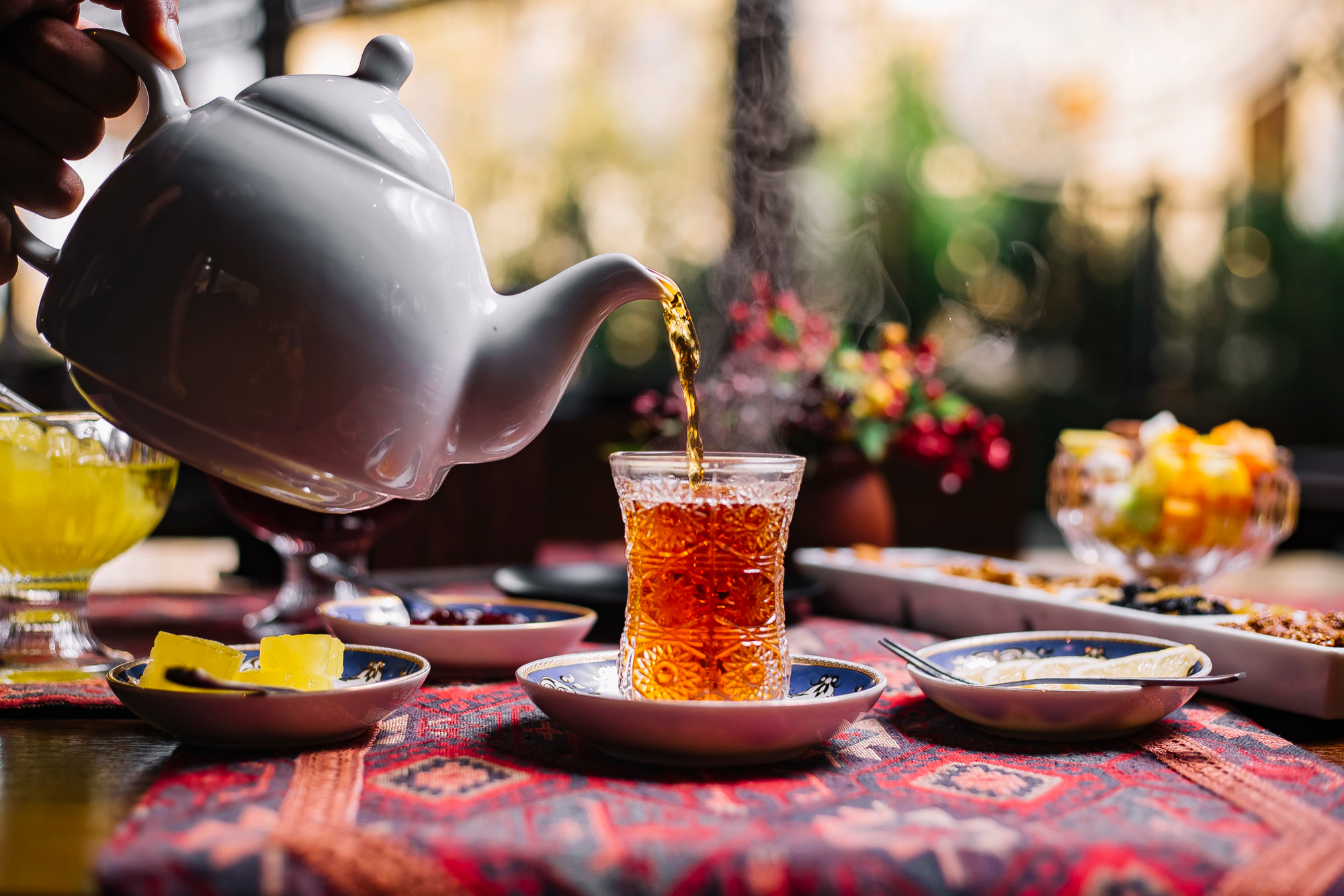
Tea holds a special place in the cultural fabric of the United Arab Emirates. From the humble roadside cafeteria serving steaming cups of karak chai to the opulent afternoon tea services in five-star hotels, tea is woven into the daily rituals and social customs of this diverse nation. Yet while karak chai remains the beloved everyday beverage of millions, a sophisticated tea culture in the UAE has emerged that encompasses far more than this iconic drink. Today, Dubai and the wider Emirates offer a remarkable range of tea experiences, from traditional Arabic coffee houses to contemporary specialty tea bars, from luxury hotel afternoon teas to artisanal matcha cafes.
Understanding tea culture in the UAE requires appreciating its multiple dimensions. There is the deeply rooted tradition of Arabic coffee, or gahwa, which has been central to Emirati hospitality for centuries. There is the relatively recent but now ubiquitous karak chai, brought by South Asian immigrants and embraced by the entire population. And there is the growing world of premium tea, driven by an increasingly sophisticated consumer base and the influx of international tea concepts. Together, these strands create a tea landscape that is uniquely rich and diverse.
The UAE’s position as a global crossroads has always influenced its beverage culture. The ancient trade routes that brought spices, silk, and other goods through the region also brought tea and the customs surrounding it. Today, as a modern hub connecting East and West, the UAE continues to absorb and adapt tea traditions from around the world. Japanese matcha ceremonies coexist with British afternoon tea rituals; Chinese oolong specialists share the market with Indian chai wallahs. This diversity is one of the defining characteristics of tea culture in the UAE.
The Beloved Karak: The People’s Tea
No discussion of tea culture in the UAE can begin without acknowledging the central role of karak chai. This strong, sweet, milky tea has become so integral to life in the Emirates that it is often called the national drink, despite having origins in the Indian subcontinent. From construction workers taking a break in the midday heat to executives grabbing a quick cup before a meeting, karak chai transcends all social and economic boundaries.
The preparation of karak chai is deceptively simple yet requires skill to perfect. Black tea leaves, typically a strong Assam or Ceylon variety, are boiled with water, milk, and sugar. The key to authentic karak is the boiling process, which allows the tea to develop its characteristic deep color and intense flavor. Spices such as cardamom, ginger, cinnamon, and saffron may be added, though purists argue that true karak needs only tea, milk, and sugar. The result is a rich, creamy beverage with a caramel-like sweetness that is both comforting and energizing.
Filli Cafe has become synonymous with premium karak chai in Dubai. What began as a small tea shop has grown into a beloved brand with multiple locations across the UAE. Filli’s signature karak, made with their proprietary tea blend, has earned a devoted following. The cafe also offers variations including zafran (saffron) tea and masala chai, allowing customers to explore different expressions of the karak tradition. For those who want to recreate the experience at home, Filli sells their tea powder, enabling fans to brew their own cups.
The karak culture extends far beyond established cafes. Throughout Dubai, small cafeterias and roadside stalls serve karak around the clock, catering to the city’s 24-hour lifestyle. These humble establishments, often staffed by South Asian workers, have become social institutions in their own right. The ritual of stopping for a karak, whether during a late-night drive or an early morning commute, is a shared experience that connects people across the UAE’s diverse population.
Arabic Coffee: The Traditional Heart of Hospitality
While karak chai dominates the contemporary tea scene, the traditional heart of Emirati beverage culture lies in Arabic coffee, or gahwa. This lightly roasted, cardamom-infused coffee has been central to Emirati hospitality for generations, and its preparation and serving follow rituals that have remained essentially unchanged for centuries.
Gahwa is traditionally prepared in a distinctive long-spouted pot called a dallah and served in small handleless cups called finjaan. The coffee itself is quite different from Western espresso or filter coffee; it is light in color, often golden or pale green, with a subtle, aromatic flavor dominated by cardamom. Saffron and rose water may also be added. The coffee is served in small quantities, and it is customary to accept at least one cup as a sign of respect for the host.
The ritual of serving gahwa embodies the Emirati values of generosity and hospitality. Guests are served from right to left, with the host or server holding the dallah in the left hand and the cups in the right. The cup is filled only partially, allowing for multiple servings and extended conversation. When a guest has had enough, they signal by gently shaking the cup from side to side.
For visitors seeking to experience this tradition, the Sheikh Mohammed bin Rashid Al Maktoum Centre for Cultural Understanding (SMCCU) in the Al Fahidi Historical Neighbourhood offers cultural meals and experiences that include traditional gahwa service. The Arabian Tea House, also in Al Fahidi, serves Arabic coffee alongside its extensive menu of traditional beverages and dishes, providing an atmospheric setting to experience this aspect of Emirati culture.
Luxury Afternoon Tea: A Dubai Institution
At the opposite end of the spectrum from roadside karak stands the elaborate world of luxury afternoon tea. Dubai’s five-star hotels have elevated the British tradition of afternoon tea into an art form, creating experiences that combine exquisite food, premium teas, and spectacular settings. For visitors and residents seeking a special occasion experience, these afternoon teas represent some of the finest tea experiences available anywhere in the world.
- The Royal Tearoom at Atlantis. The Royal exemplifies the pinnacle of Dubai’s afternoon tea scene. Under the direction of executive pastry chef Christophe Devoille, named Gault&Millau UAE’s Pastry Chef of the Year, the tearoom offers a decadent experience featuring treats such as lobster rolls with caviar and Espelette pepper, delicate finger sandwiches, and exquisite pastries including fluffy scones with clotted cream. Priced at AED560 for two, this is afternoon tea as a luxury experience.
- At.mosphere in the Burj Khalifa offers what may be the world’s highest afternoon tea, served on the 122nd floor of the world’s tallest building. The views alone make this a memorable experience, but the tea service itself is equally impressive, with an extensive selection of fine teas and a menu of classic afternoon tea treats. At AED599 per person, this is an investment, but for many visitors, the combination of spectacular views and refined service makes it worthwhile.
- The Gallery at The Lana, Dorchester Collection brings a particularly sophisticated approach to afternoon tea, featuring two certified tea sommeliers who guide guests through the extensive tea selection. The experience includes a traditional matcha ceremony, adding a Japanese dimension to the British tradition. The menu features delicate finger sandwiches, freshly baked scones with Devon clotted cream, and exquisite pastries created by chef Angelo Musa.
- Sahn Eddar at the Burj Al Arab offers afternoon tea in one of Dubai’s most iconic settings. The restaurant’s Arabian-style atrium, with its opulent marbles and mosaics, provides a suitably grand backdrop for the elegant tea service. The selection of fresh sandwiches, pastries, and cakes is impeccable, and the hospitality matches the hotel’s legendary standards.
Specialty Tea Houses: The New Wave
Beyond the traditional karak cafes and luxury hotel teas, a new category of specialty tea houses has emerged in Dubai, catering to discerning tea enthusiasts who appreciate the nuances of premium single-origin teas and artisanal blends.
- AVANTCHA in Al Quoz represents the vanguard of this movement. This specialty tea bar and shop offers over 80 different types of single-origin teas and herbal infusions, all organic and packaged in biodegradable teabags. The space itself is designed to immerse visitors in the world of tea, with a tea bar where guests can sample different varieties and learn about their origins and characteristics. AVANTCHA also offers matcha services, reflecting the growing interest in this Japanese green tea powder.
- Pekoe Tea and Bread Bar in Alserkal Avenue combines specialty tea with artisanal baked goods, creating a destination for those who appreciate both. The focus on quality and craftsmanship extends to every aspect of the experience, from the carefully sourced teas to the freshly baked breads and pastries.
- Tania’s Teahouse in Dubai Hills has earned a devoted following for its comprehensive tea menu and welcoming atmosphere. The teahouse offers a range of experiences, from casual afternoon visits to more structured tea tastings, making it accessible to both tea novices and enthusiasts.
These specialty tea houses represent a significant evolution in tea culture in the UAE. They cater to a growing segment of consumers who are interested in the provenance and quality of their tea, who appreciate the ritual and mindfulness that tea drinking can offer, and who are willing to invest in premium experiences.
The Matcha Movement
One of the most notable trends in Dubai’s tea scene is the rise of matcha. This finely ground Japanese green tea powder, traditionally used in Japanese tea ceremonies, has become a phenomenon in Dubai, with dedicated matcha cafes and matcha offerings appearing on menus across the city.
The appeal of matcha extends beyond its distinctive flavor. The tea is associated with numerous health benefits, including high antioxidant content and a gentle, sustained energy boost without the jitters associated with coffee. For health-conscious Dubai residents, matcha offers a way to enjoy a caffeinated beverage while aligning with wellness goals.
- Café Kitsuné brings the Japanese matcha tradition to Dubai with authenticity and style. The cafe, part of an international brand with roots in Paris and Tokyo, offers high-quality matcha prepared according to traditional methods, alongside a curated selection of other beverages and light fare.
- The Matcha Tokyo has earned recognition for its dedication to authentic Japanese matcha preparation. The cafe sources its matcha directly from Japan and prepares it using traditional techniques, offering both hot and cold matcha beverages as well as matcha-infused desserts.
- Oath Cafe and Wild & The Moon represent the intersection of matcha culture and the wellness movement. These health-focused cafes offer matcha as part of a broader menu of nutritious beverages and foods, appealing to customers who view their beverage choices as part of a holistic approach to health.
The proliferation of matcha options in Dubai reflects the city’s openness to global trends and its diverse, internationally-minded population. For many residents, matcha represents a sophisticated alternative to coffee, offering a different kind of ritual and a connection to Japanese culture.
Tea as Social Ritual
Across all its manifestations, tea culture in the UAE is fundamentally about connection and ritual. Whether it’s the quick karak shared between colleagues, the elaborate afternoon tea celebrating a special occasion, or the contemplative cup of single-origin oolong savored alone, tea provides a framework for pause and presence in a fast-paced world.
The social dimension of tea is particularly important in the UAE context. In a country where hospitality is a core cultural value, offering tea to guests is a fundamental expression of welcome and respect. The choice of tea, the manner of its preparation, and the setting in which it is served all communicate messages about the relationship between host and guest.
For businesses in the F&B sector, understanding and leveraging this cultural significance of tea can be a powerful differentiator. Creating memorable tea experiences, whether through exceptional product quality, distinctive presentation, or meaningful ritual, can build customer loyalty and word-of-mouth recommendation.
The Future of Tea in the UAE
Looking ahead, tea culture in the UAE shows every sign of continued evolution and growth. Several trends are shaping the future of tea in the Emirates.
Premiumization is a clear direction. As consumers become more knowledgeable and discerning, demand for high-quality, single-origin, and specialty teas is growing. Tea houses that can offer expertise, education, and exceptional products will find receptive audiences.
Health and wellness associations are driving interest in certain tea categories, particularly matcha and herbal infusions. Teas positioned as functional beverages, offering specific health benefits, are likely to see continued growth.
Sustainability is becoming increasingly important to consumers. Tea brands and venues that can demonstrate ethical sourcing, environmental responsibility, and sustainable practices will have advantages in the market.
Technology is also playing a role, with digital platforms enabling tea education, online ordering, and community building among tea enthusiasts. For tea businesses, embracing digital tools can enhance customer engagement and expand reach.
A Cup for Every Occasion
The tea culture in the UAE offers something for everyone, from the humble karak chai that fuels daily life to the most elaborate afternoon tea experiences in the world’s most luxurious hotels. This diversity reflects the UAE’s character as a meeting point of cultures, a place where traditions from around the world coexist and intermingle.
For visitors to Dubai, exploring the tea scene provides a unique lens through which to understand the city and its people. The roadside cafeteria serving karak at 3 AM reveals the city’s round-the-clock energy and its working-class backbone. The specialty tea house in Al Quoz speaks to Dubai’s embrace of global trends and its sophisticated consumer base. The traditional gahwa service at a heritage restaurant connects to the Emirati past and the values that continue to shape the culture.
For F&B entrepreneurs and businesses, the tea market offers significant opportunities. Whether through traditional tea service, innovative concepts, or premium products, there is space for ventures that understand and serve the diverse tea preferences of the UAE population.
As you explore the tea culture in the UAE, consider how technology can enhance your tea business. Solutions like QR Code can help tea houses and cafes provide detailed information about their tea offerings, enhancing the customer experience. Building a distinctive brand identity is essential in a competitive market, and working with experienced branding and advertising agency can help tea businesses stand out.
Hidden Gems: Unique Tea Experiences in Dubai
Beyond the well-known afternoon tea venues and popular karak spots, Dubai harbors several hidden gems that offer unique and memorable tea experiences. These establishments may not have the marketing budgets of luxury hotels, but they provide authentic and often more personal encounters with tea culture in the UAE.
- The Farm at Al Barari offers afternoon tea in one of Dubai’s most unexpected settings. This hidden oasis, surrounded by lush greenery and featuring a water garden theme, provides a tranquil escape from the city’s bustle. The focus on sustainable and organic ingredients extends to the tea service, with carefully selected blends complementing a menu of classic sandwiches and pastries. The experience is designed to be savored slowly, making it ideal for those seeking a leisurely afternoon away from the usual urban intensity.
- Choix Patisserie & Restaurant, created by legendary chef Pierre Gagnaire, offers an afternoon tea experience that reflects the chef’s reputation for culinary excellence. The sprawling terrace provides an elegant setting, while the menu showcases the pastry team’s skill with both classic and innovative creations. For those who appreciate the intersection of fine dining and tea service, Choix represents a compelling option.
- Al Bayt at Palace Downtown provides afternoon tea with views of the Dubai Fountain and Burj Khalifa, combining culinary excellence with one of Dubai’s most spectacular settings. The high-end experience features carefully crafted savory and sweet items, an extensive tea selection, and the sophisticated service for which Palace hotels are known.
- Queens Grill on the Queen Elizabeth 2 offers a unique opportunity to experience afternoon tea in a historic setting. The QE2, now permanently docked at Mina Rashid, was once one of the world’s most famous ocean liners, and the Queens Grill was reserved for first-class passengers. Today, visitors can experience a quintessential British afternoon tea in this storied venue, choosing between the Cunard and Britannia options.
The Art of Tea Pairing
An emerging trend in Dubai’s sophisticated tea scene is the concept of tea pairing, where specific teas are matched with foods to enhance both the beverage and the dish. This approach, borrowed from the wine world, is gaining traction among discerning consumers and forward-thinking F&B establishments.
The principles of tea pairing are similar to those of wine pairing. Light, delicate teas such as white teas and light oolongs pair well with subtle flavors, while robust black teas can stand up to richer, more intensely flavored foods. Green teas, with their vegetal notes, complement fresh and light dishes, while the earthy depth of pu-erh can enhance umami-rich foods.
Some of Dubai’s specialty tea houses offer guided tea pairing experiences, where guests can explore these combinations under the guidance of knowledgeable staff. These experiences provide an educational dimension to tea drinking, helping participants develop their palates and deepen their appreciation for the nuances of different teas.
For restaurants and cafes, offering thoughtful tea pairings can differentiate their beverage programs and appeal to guests seeking more than just a standard cup of tea. The investment in staff training and tea selection can yield returns in customer satisfaction and loyalty.
Tea and Wellness: A Growing Connection
The connection between tea and wellness is increasingly important in the UAE market. Health-conscious consumers are seeking beverages that offer functional benefits beyond simple refreshment, and tea, with its long history of medicinal use, is well-positioned to meet this demand.
Green tea, particularly matcha, is associated with antioxidant properties and a gentle energy boost. Herbal infusions such as chamomile, peppermint, and rooibos are valued for their calming effects and lack of caffeine. Specialty teas like turmeric-ginger blends and adaptogenic mushroom teas are gaining popularity among wellness enthusiasts.
Tea houses and cafes that can effectively communicate the health benefits of their offerings, while maintaining focus on taste and experience, are finding receptive audiences. The key is authenticity; consumers are increasingly sophisticated and can distinguish between genuine wellness benefits and marketing hype.
The wellness dimension of tea also extends to the ritual of tea drinking itself. In a culture of constant connectivity and stimulation, the mindful preparation and consumption of tea offers a form of meditation, a pause in the day that can reduce stress and promote mental clarity. Tea houses that create environments conducive to this mindful approach, with calm atmospheres and unhurried service, provide value beyond the beverage itself.
Building a Tea Business in the UAE
For entrepreneurs considering entering the tea market in the UAE, several factors merit consideration. The market is competitive, with established players ranging from international hotel chains to local karak cafeterias. Success requires a clear value proposition and deep understanding of target customers.
Location is critical for retail tea businesses. High-traffic areas in malls and commercial districts offer visibility but come with premium rents. Emerging neighborhoods like Al Quoz and Alserkal Avenue attract a more niche, design-conscious clientele. The choice of location should align with the brand positioning and target market.
Product quality and sourcing are fundamental. In a market where consumers have access to teas from around the world, differentiation through exceptional quality, unique offerings, or compelling origin stories can create competitive advantage. Building relationships with tea producers and being able to tell the story of each tea adds value that justifies premium pricing.
Service and experience are equally important. The UAE market is accustomed to high service standards, and tea businesses must meet these expectations. Staff training in tea knowledge, preparation techniques, and customer service is essential. Creating memorable experiences, whether through beautiful presentation, engaging rituals, or personalized recommendations, builds customer loyalty.
Tea Tourism: A Growing Niche
Tea tourism is an emerging niche within the UAE’s broader tourism industry. Visitors interested in culinary experiences are increasingly seeking out authentic tea experiences as part of their Dubai itineraries. This presents opportunities for tea businesses to attract tourist customers and for tour operators to include tea experiences in their offerings.
A tea-focused itinerary in Dubai might include a morning visit to a traditional cafeteria for karak chai, followed by a specialty tea tasting at a venue like AVANTCHA, and concluding with afternoon tea at a luxury hotel. Such an itinerary would provide a comprehensive introduction to tea culture in the UAE, spanning the spectrum from everyday beverage to special occasion experience.
For tea businesses, catering to tourists requires consideration of factors such as location accessibility, language capabilities, and the ability to provide context and explanation for visitors unfamiliar with local tea customs. Partnerships with hotels, tour operators, and travel platforms can help reach this market segment.
The Role of Technology in Tea Culture
Technology is playing an increasingly important role in tea culture in the UAE, from the sourcing and production of tea to its marketing and consumption. Digital platforms enable tea enthusiasts to learn about different varieties, connect with other enthusiasts, and purchase specialty teas from around the world.
In an era where discovery happens on social feeds, premium tea houses are leveraging platforms like TikTok and Instagram to attract a new generation of connoisseurs. Through visually stunning videos of tea brewing rituals and influencer collaborations, these brands are transforming social search into a powerful customer acquisition channel, allowing users to discover and emotionally connect with a tea experience before they even step inside.
For tea businesses, technology offers tools for customer engagement, inventory management, and operational efficiency. Digital menus can provide detailed information about tea offerings, including origin, flavor profiles, and brewing recommendations. Online ordering and delivery platforms extend reach beyond physical locations. Social media provides channels for building community and showcasing the visual appeal of tea experiences.
To bridge the gap between the digital and physical, tea houses are using QR codes to launch immersive image galleries right from the customer’s table. A simple scan can reveal a visual menu, showcasing the delicate details of each tea leaf, the artistry behind the pastries, and the serene ambiance of the venue, thus enriching the selection process and telling a story that a simple menu cannot.
Beyond simple menus, advanced contactless solutions are empowering tea businesses to operate with greater agility. Dynamic QR codes allow owners to instantly update daily specials or remove out-of-stock items across all digital menus without reprinting, ensuring a seamless customer experience. Furthermore, these platforms provide valuable analytics on which teas are most viewed and ordered, offering data-driven insights to refine inventory and marketing strategies.
The integration of technology should enhance rather than replace the human elements that make tea culture meaningful. The warmth of a skilled server, the ritual of preparation, the conversation over a shared pot, these remain central to the tea experience. Technology is most effective when it supports and amplifies these human connections.
Seasonal and Limited Edition Teas
The concept of seasonal and limited edition teas is gaining traction in Dubai’s specialty tea market. Just as wine enthusiasts anticipate new vintages, tea connoisseurs look forward to seasonal harvests and special releases. First flush Darjeeling in spring, new season Japanese sencha, limited production oolongs from Taiwan, these offerings create excitement and urgency among tea enthusiasts.
Tea houses that can secure allocations of sought-after seasonal teas differentiate themselves from competitors and give customers reasons to return regularly. The storytelling around these teas, explaining the specific conditions that shaped the harvest and the characteristics that make it unique, adds value and education to the purchase.
For consumers, exploring seasonal and limited edition teas offers an ongoing journey of discovery. Each season brings new flavors to explore, new producers to discover, and new experiences to savor. This dynamic quality keeps tea drinking fresh and engaging, countering any perception of tea as static or old-fashioned.
