

Why This Umm Al Quwain Travel Guide Starts at the Water’s Edge
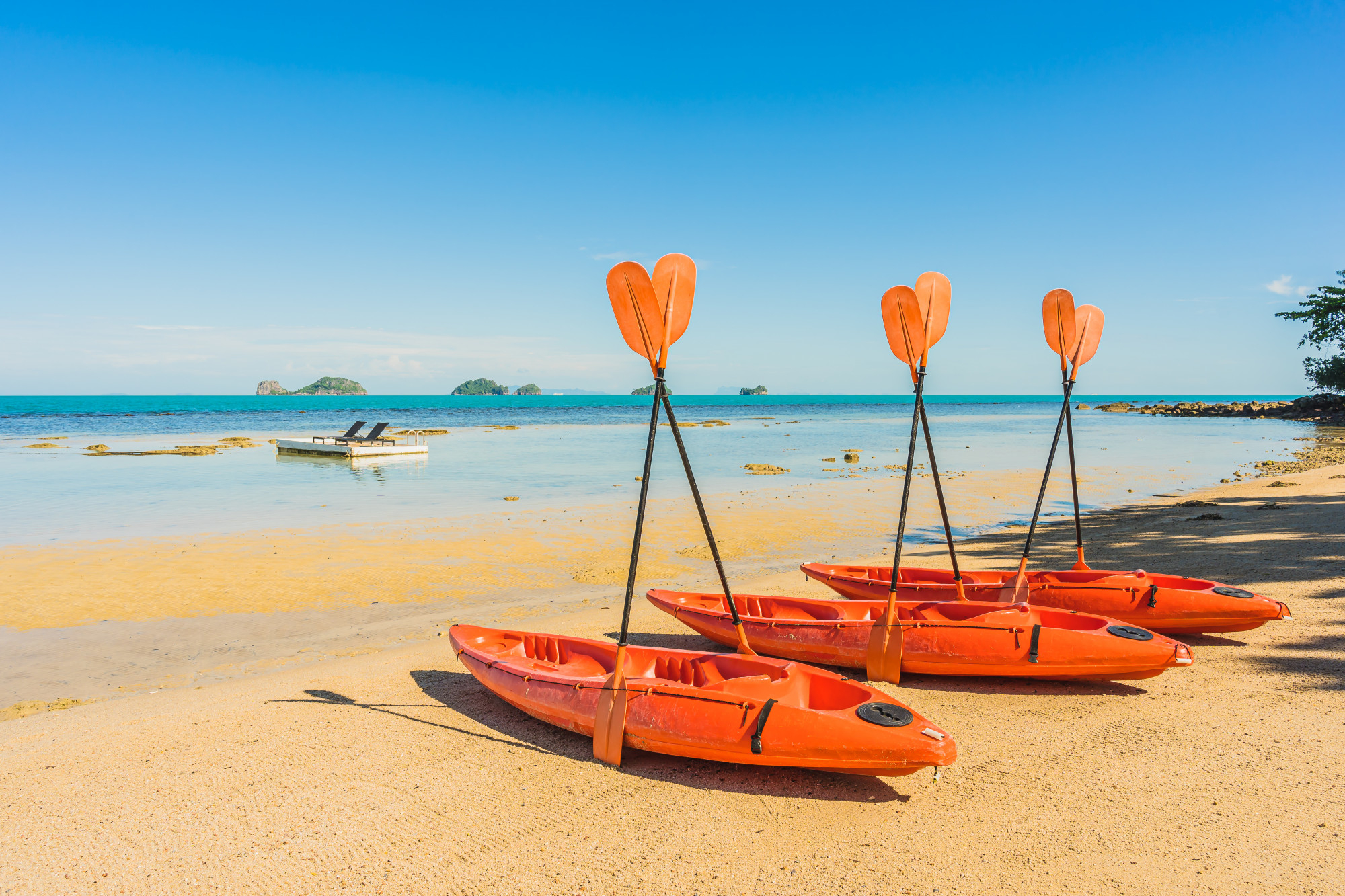
At sunrise in Umm Al Quwain, the loudest sound is often a paddle dipping into still water. Kayaks slip through narrow green channels, a heron lifts off from the mangrove roots, and somewhere in the distance a fishing boat heads out for the day. It is hard to believe that Dubai’s skyline is barely an hour’s drive away.
Umm Al Quwain, often shortened to UAQ, is the emirate that kept its quiet. While its neighbours built towers, theme parks and mega-malls, UAQ held on to its lagoons, its long, empty beaches and an unhurried way of life that many residents of the UAE now actively seek out. That is exactly why this Umm Al Quwain travel guide begins on the water rather than in a city centre.
Interest in the emirate has grown quickly. Much of it comes from social search, where short videos of turquoise channels, thatched beach huts and flamingos have introduced UAQ to a whole new audience. The reality lives up to the clips, as long as you arrive expecting calm rather than spectacle.
UAQ also works beautifully as a side trip for first-time visitors to Dubai who want to see a quieter, more traditional side of the country. Within a single day, it is possible to kayak through a protected mangrove forest, walk around an 18th-century fort, swim at an almost deserted beach and watch the sun set over the Gulf.
This guide covers everything you need to plan a trip: how to get there, how to choose a mangrove tour, which beaches to head for, where to stay, the heritage sites worth seeing and practical tips for making the most of your time.
Umm Al Quwain at a Glance
Before diving into the details, here is a quick snapshot to help you plan.
| Detail | What to Know |
| Location | Northern Emirates, on the Arabian Gulf coast between Ajman and Ras Al Khaimah |
| Distance from Sharjah | Roughly 45 km, about 40 minutes by car |
| Distance from Dubai | Roughly 70 km, about an hour depending on traffic |
| Best season | November to April for daytime outdoor activities |
| Getting around | A car is by far the easiest option |
| Ideal stay | A full day trip, or a relaxed weekend of one to two nights |
| Known for | Mangroves, kayaking, quiet beaches, heritage sites and eco-tourism |
The cooler months line up with the UAE’s winter season, when the whole country moves outdoors. In UAQ, this is when flamingos appear in the lagoons, beach days become comfortable and tour operators run their full programmes.
Getting There and Getting Around
For most people visiting Umm Al Quwain, the journey is a simple drive up the coast.
From Dubai or Sharjah, the most common route follows the main highways north towards Ras Al Khaimah, with exits clearly signposted for Umm Al Quwain. The drive is straightforward, and traffic usually thins out once you pass Ajman.
Public transport is possible but limited. Intercity buses connect Sharjah with the Umm Al Quwain bus terminal, but buses do not reach the mangrove launch points or most beaches. From the terminal, a short taxi ride is needed to reach Khor Al Beidah or the coast.
A few practical points help:
- Rent a car if you can
Attractions are spread out along the peninsula and the coast, and a car makes it easy to combine the mangroves, beaches and heritage sites in one day.
- Use ride-hailing and taxis for short hops
Taxis are available in the city, but it is wise to arrange your return journey from more remote spots in advance.
- Allow extra time on weekends
Coastal roads can get busier on Friday and Saturday afternoons, especially in winter.
Kayaking the Mangroves of Khor Al Beidah
If there is one experience that defines exploring Umm Al Quwain, it is paddling through the mangroves of Khor Al Beidah. This is the emirate’s natural treasure and the main reason many visitors make the trip.
What Makes These Mangroves Special
Khor Al Beidah is a vast tidal lagoon on the north-eastern side of the UAQ peninsula, sheltered from the open sea by Al Sinniyah Island. It covers roughly 14,000 hectares and is often described as the largest continuous mangrove ecosystem in the UAE.
The forest is made up mostly of grey mangroves, a hardy species that thrives in salty, tidal water. Their tangled roots act as nurseries for fish and crabs, protect the coastline from erosion and absorb significant amounts of carbon. Paddling through them, you move between narrow, shaded channels and wide, open lagoons, with the water often so clear that you can see the sandy bottom.
Choosing Your Tour
Several local operators run guided kayak and stand-up paddleboard (SUP) tours from launch points on the western edge of the lagoon. Life jackets are provided, every tour starts with a safety briefing, and no previous experience is needed. The main formats are:
Sunrise tours
Usually around two hours. The coolest option at any time of year and the best time to see birds feeding.
Sunset tours
Also around two hours, and the most photographed, with golden light falling across the water.
Half-day tours
Typically three to four hours, covering more of the lagoon and often including a stop on a sandbank.
Full-day combinations
Kayaking in the morning, lunch on the water and time for swimming or fishing in the afternoon.
Night tours
Offered by some operators, including from Kite Beach Centre, for a completely different, peaceful experience under the stars.
Prices vary by operator, group size and tour length, so it is worth comparing a few options and booking in advance, especially for weekend sunrise slots.
Wildlife to Look Out For
Khor Al Beidah is one of the best places in the Northern Emirates for flamingo spotting, particularly in the winter months, when flocks gather in the shallow lagoons. They are not guaranteed, but seeing them is a highlight of any tour.
Other regular sightings include grey herons, western reef herons, little egrets, kingfishers and ospreys, along with Socotra cormorants further offshore. Look closely at the channel walls and you will spot crabs and mudskippers darting in and out of their burrows. Sea turtles occasionally surface in the deeper channels, which always causes a stir among paddlers.
What to Bring
A little preparation makes the experience far more comfortable:
Closed-toe water shoes
The mud and sandbanks are full of shells and crab burrows, so bare feet are not a good idea.
Biodegradable sunscreen
Heavy chemical sunblock can harm the mangrove ecosystem.
A waterproof phone case
You will want photos, and the water will find a way in.
Water and snacks
There are usually no food vendors at the launch points.
A hat and light long sleeves
Shade is limited once you reach the open lagoons.
Tides, Timing and Tour Etiquette
Tides change the landscape of the lagoon throughout the day. At low tide, sandbanks emerge, and longer tours often stop on them for a swim or a picnic. For photography, many guides recommend a sunrise paddle at low tide in the cooler months, when the light is soft and the birds are most active.
The mangroves are a protected habitat, so visitors are asked not to pick leaves or branches, feed wildlife or leave any litter behind. Following your guide’s lead and keeping a respectful distance from birds helps protect the very thing that makes this place special.
Quiet Beaches Worth the Drive
Umm Al Quwain’s coastline is one of its biggest draws, and many of the most rewarding places to visit in Umm Al Quwain are simply long stretches of soft sand with very few people on them. The water along this coast is often calm and clear, making it ideal for swimming, paddling and lazy afternoons.
Kite Beach Centre
Kite Beach Centre is perhaps the most famous beach spot in the emirate, known for its relaxed, Bali-inspired atmosphere. Thatched huts, swings built from tree trunks and colourful beach furniture give it a laid-back, bohemian feel that photographs beautifully.
It is also the first certified kitesurfing school in Umm Al Quwain, offering lessons for beginners and rentals for experienced riders, as well as surfing lessons and guided mangrove tours by kayak or SUP. The beach is pet-friendly, which is rare in the UAE, and overnight camping has been offered too. An entry fee applies, with different rates for weekdays, weekends, children and pets.
The café and restaurant lean towards fresh, health-conscious menus, with smoothie bowls, salads and light meals that suit a day spent in the water. Opening hours run from early morning until late evening, making it easy to catch either sunrise or sunset.
Mangrove Beach at Khor Al Yeefrah
Mangrove Beach was developed as a showcase for the emirate’s eco-tourism ambitions, highlighting the importance of mangroves to the coastline. It offers a peaceful setting where you can relax on the sand, explore the shallows and watch birds moving through the nearby mangroves. An entry fee usually applies, and facilities make it a comfortable choice for families looking for a nature-focused beach day.
Public Beaches and the Corniche
For a simple, free beach day, UAQ’s public beaches are hard to beat. They are typically quiet on weekdays, and in the cooler months families gather for picnics and barbecues at designated areas. The walkway and beach areas along the seafront are pleasant for an early morning walk or an evening stroll.
Resort Beaches for a Quieter Stay
Several hotels and resorts along the coast have private beaches, including Palma Beach Resort & Spa, Vida Beach Resort Umm Al Quwain and Umm Al Quwain Beach Hotel. These are a good choice if you prefer loungers, pool access, food and drinks without leaving the sand. Day passes are sometimes available, but policies change, so it is best to check with the hotel directly.
Sleeping Among the Mangroves: UAQ’s New Eco-Stays
Umm Al Quwain has invested heavily in eco-tourism, and two properties in particular have changed what an Umm Al Quwain weekend getaway can look like.
Casa Mikoko
Casa Mikoko sits right among the mangroves and has quickly become one of the emirate’s standout attractions. Its African-inspired, Zanzibar-style architecture uses natural materials and organic shapes, while a wooden boardwalk allows visitors to walk through the mangroves without disturbing them. Chalets range from simple to luxurious, with some offering private pools overlooking the trees and water. Waterfront cafés, a restaurant, yoga sessions and easy access to kayaking make it a complete base for a slow weekend.
LuxeGlamp Umm Al Quwain
LuxeGlamp brings a different idea to the same landscape. Set within the Umm Al Quwain Mangrove Reserve, it features just ten glass-domed rooms spread over a large stretch of natural beachfront land, with only a small portion of the site built up. The resort introduced what it describes as the UAE’s first private sauna experience, and its Balinese-themed, glass-domed restaurant, Luxe Bistro, focuses on local and sustainable ingredients.
Both properties reflect the wider growth of wellness tourism in the UAE, where travellers increasingly look for rest, nature and digital detox rather than packed itineraries. For couples and solo travellers in particular, a night or two in the mangroves can be the most restorative part of a UAE trip.
History and Heritage in a Small Emirate
Umm Al Quwain’s history is far richer than its size suggests, and its heritage sites are among the most rewarding Umm Al Quwain tourist attractions for curious travellers.
Umm Al Quwain Fort and National Museum
At the entrance to the Old Town stands Umm Al Quwain Fort, also known as Al Ali Fort. Built in the 18th century, it served as the home of the ruling family and the seat of government for generations before later being used as a police station. After careful restoration, it reopened as the Umm Al Quwain National Museum.
Inside, the museum tells the story of the emirate through weapons, traditional tools, everyday objects and, most importantly, archaeological finds from sites such as Ed-Dur and Tell Abraq. The coral-stone walls, towers and shaded courtyard are worth the visit on their own. Like many heritage sites across the region, museums are increasingly adding QR-enabled exhibits and digital guides that make it easier for visitors to explore at their own pace.
The Old Town
Surrounding the fort is Al Madeena Al Qadeema, the Old Town. Set at the tip of the peninsula, almost entirely surrounded by sea and creek, it has some buildings thought to be well over a century old. A long-term restoration project is bringing historic structures back to life, including the traditional Al Ameer School. Walking the narrow lanes, past old coral-stone houses and small shops, gives a real sense of how coastal communities lived before the oil era.
Al Sinniyah Island
Just offshore lies Al Sinniyah Island, which shelters the Khor Al Beidah lagoon. According to local history, the people of Umm Al Quwain originally lived on the island before moving to the mainland when its fresh water ran out.
The island has recently made headlines for remarkable archaeological discoveries. Excavations have revealed what is believed to be the oldest known pearling town in the Arabian Gulf, covering around 12 hectares, along with an ancient Christian monastery. The island is also home to one of the largest remaining colonies of Socotra cormorants in the world, recognised as a site of global importance for birds.
Al Sinniyah is an active archaeological and protected area rather than an open tourist attraction, so most visitors appreciate it from the water during boat or kayak tours. Plans for its future development have been announced, which makes it a place to watch in the coming years.
Ed-Dur Archaeological Site
Overlooking the Khor Al Beidah lagoon, Ed-Dur is one of the largest archaeological sites in the UAE and one of the most important pre-Islamic sites on the Gulf coast. Excavations have uncovered evidence of an ancient trading settlement with links to Mesopotamia and India, along with coins, pottery and the remains of a temple. Many of its finds are displayed in the National Museum, which is the best place to understand the site’s significance. Before planning an on-site visit, it is worth checking access arrangements with the emirate’s tourism department.
Falaj Al Mualla
Around 50 kilometres inland lies the oasis town of Falaj Al Mualla, a green pocket of date palms surrounded by desert. Its 19th-century fort once protected the oasis and served as a summer retreat for the ruling family. Restored and opened to the public, it now houses a small museum. The area also has a camel racetrack and wide desert views. For visitors who have already done a classic desert safari, Falaj Al Mualla offers a quieter, more traditional glimpse of desert life.
Family Fun Beyond the Beach
UAQ is an easy destination for families, and some of the most enjoyable things to do in Umm Al Quwain with children go beyond sandcastles.
Dreamland Aqua Park is the emirate’s best-known family attraction and one of the oldest water parks in the UAE. Spread across a large, landscaped coastal site, it offers more than 30 rides and attractions, from high-speed slides such as the Kamikaze to lazy rivers, wave pools and splash areas for younger children. Overnight camping in tents or cabanas is also available, along with a mini zoo. It holds its own among the theme parks and family attractions across the country, especially for families who prefer a more relaxed, less crowded day out.
Other family-friendly ideas include:
Beginner mangrove tours
Many operators welcome children on guided kayak tours, often in double kayaks with a parent.
Beach picnics
Public beaches with barbecue areas make easy, low-cost family days.
The National Museum
Old cannons, traditional boats and the fort itself tend to capture children’s imaginations.
Fishing trips
Boat trips can be arranged through local marine clubs and operators.
Where to Eat in Umm Al Quwain
Food in UAQ reflects its fishing heritage and its relaxed pace. Fresh seafood, simple grills and South Asian and Arabic kitchens dominate, with prices noticeably lower than in the bigger cities.
On a typical travel day, the most convenient options are often the cafés at beach clubs and eco-resorts, such as the restaurant at Kite Beach Centre, the cafés at Casa Mikoko and Luxe Bistro at LuxeGlamp. In the city, small local restaurants serve grilled fish, biryani and Arabic favourites, while karak tea stalls are never far away.
For a detailed look at the dining scene, including the best spots for seafood, Emirati dishes and family meals, the guide to restaurants in Umm Al Quwain covers the options in depth.
Where to Stay: Matching the Stay to the Trip
Accommodation in UAQ is limited compared with the larger emirates, but there is a good range of choices for different kinds of trips.
| Type of Stay | Best For | Examples |
| Eco-glamping | Couples, nature lovers, digital detox | LuxeGlamp Umm Al Quwain |
| Mangrove chalets | Families, groups, slow weekends | Casa Mikoko |
| Beach resorts | Pool and beach holidays | Palma Beach Resort & Spa, Vida Beach Resort Umm Al Quwain |
| Beach hotels | Value-focused coastal stays | Umm Al Quwain Beach Hotel, Flamingo Beach Hotel |
| Resort near attractions | Families visiting Dreamland | Barracuda Beach Resort |
Booking early is wise during winter weekends and public holidays, when the best-value rooms and the most popular eco-stays fill quickly.
Sample Itineraries
Whether you have one day or a full weekend, these sample plans show how to combine the best experiences without rushing.
A One-Day Escape from Dubai
For anyone planning an Umm Al Quwain day trip, this plan covers the highlights:
Early morning
Leave Dubai before sunrise and join a sunrise kayak tour at Khor Al Beidah.
Late morning
Visit the National Museum and walk around the Old Town.
Lunch
Enjoy fresh grilled fish at a local restaurant.
Afternoon
Relax at Kite Beach Centre, try a beginner kitesurfing lesson or simply swim and read in a beach hut.
Sunset
Watch the sun go down over the Gulf before driving home.
A Slow Weekend in Umm Al Quwain
Day one
Arrive by mid-morning, check in to Casa Mikoko or LuxeGlamp, spend the afternoon at Mangrove Beach and join a sunset paddle.
Day two
Take an early sunrise tour for flamingo spotting, followed by a lazy brunch. In the afternoon, drive inland to Falaj Al Mualla or take the family to Dreamland Aqua Park.
Day three (optional)
Finish with the National Museum and Old Town before heading home in the early afternoon.
Practical Tips for Visiting Umm Al Quwain
A few simple tips will help you enjoy UAQ comfortably and responsibly.
Plan around the heat
From May to October, stick to sunrise and sunset activities, and keep the middle of the day for indoor visits or rest.
Respect protected areas
The mangroves, islands and archaeological sites are fragile. Follow guides’ instructions and never remove plants, shells or artefacts.
Pack a cover-up
Swimwear suits the beaches and resorts, but a light layer is the respectful choice when wandering the Old Town, the museum or local shops.
Budget wisely
UAQ is generally good value, and with public beaches, inexpensive local food and affordable stays, it fits easily into budget-friendly travel plans for anyone exploring the UAE.
Make the most of the light
The mangroves at dawn and the beaches at sunset are among the most photogenic scenes in the country, and they rival the busier Instagram-worthy spots in the big cities without the crowds.
Consider a pro for special shoots
The soft light and natural textures make UAQ popular for engagement shoots and brand campaigns, and many couples and businesses bring in professional photography support to capture it properly.
Frequently Asked Questions
Is Umm Al Quwain worth visiting?
Yes. Umm Al Quwain is ideal for travellers who want nature, quiet beaches and heritage rather than malls and nightlife. Its mangroves, eco-stays and historic sites make it one of the most rewarding escapes in the Northern Emirates.
What is the best time to visit Umm Al Quwain?
The best time is from November to April, when temperatures are comfortable for daytime kayaking and beach days, and flamingos are often seen in the lagoons.
Can beginners go kayaking in the Umm Al Quwain mangroves?
Yes. Guided tours are designed for all levels, life jackets are provided and every tour begins with a safety briefing. No previous experience is needed.
How far is Umm Al Quwain from Dubai?
Umm Al Quwain is roughly 70 kilometres from central Dubai, which usually takes about an hour by car, depending on traffic.
Where can I see flamingos in Umm Al Quwain?
Flamingos are most often spotted in the shallow lagoons of Khor Al Beidah during the winter months, and guided kayak tours offer some of the best chances to see them.
Is Umm Al Quwain good for families?
Yes. With calm beaches, beginner-friendly kayak tours, Dreamland Aqua Park and the National Museum, Umm Al Quwain offers plenty of things to do for families with children.
