

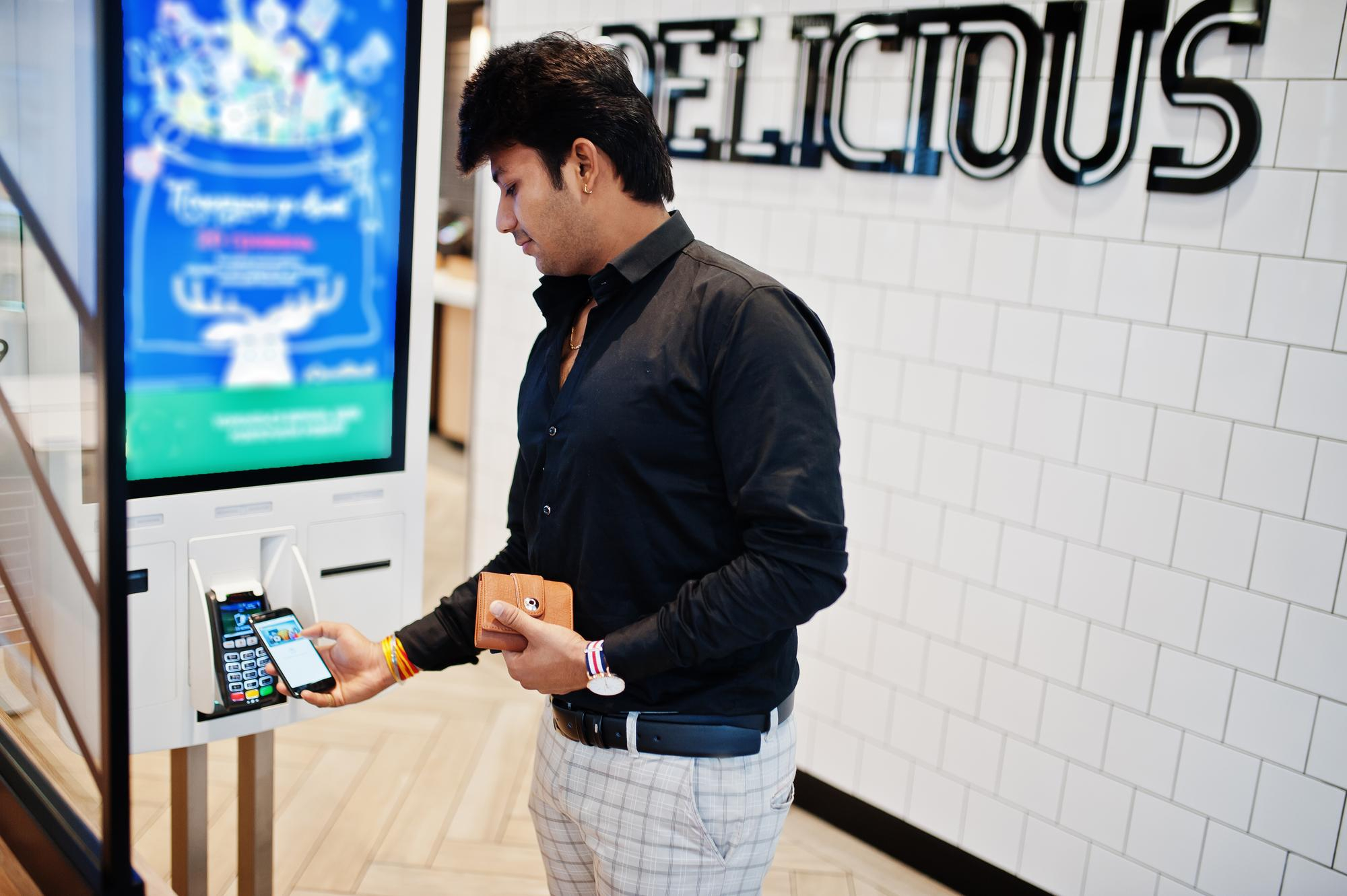
The Dawn of Automated Retail in the UAE
Walk through any major mall in Dubai or Abu Dhabi today, and you will notice a transformation taking place. Alongside the traditional retail stores and food courts, a new generation of technology is emerging: sleek smart vending machines dispensing everything from fresh meals to electronics, and sophisticated automated kiosks allowing customers to order, customize, and pay for their purchases without ever interacting with a human cashier. This is not a glimpse into some distant future; it is the present reality of retail and food service in the UAE.
The United Arab Emirates has long been a pioneer in adopting cutting-edge technology, and the retail sector is no exception. The country’s unique combination of factors, including a tech-savvy population, high smartphone penetration, a culture of convenience, and significant investment in digital infrastructure, has created the perfect environment for automated kiosks and smart vending solutions to flourish. From the gleaming corridors of Mall of the Emirates to the bustling food courts of Dubai Mall, these technologies are reshaping how consumers discover, select, and purchase products and services.
The numbers tell a compelling story of growth and opportunity. The Middle East and Africa smart vending machine market is projected to grow from approximately USD 564 million in 2024 to over USD 1.48 billion by 2033, representing a substantial compound annual growth rate. This growth is driven by several factors: the increasing demand for contactless and convenient shopping experiences, advances in payment technology, the integration of artificial intelligence and Internet of Things capabilities, and the ongoing digital transformation of the retail sector.
For the F&B industry in particular, self-service kiosks and smart vending machines represent a paradigm shift in how quick service is delivered. These technologies are not merely replacing human workers; they are creating entirely new service models that offer benefits to both businesses and consumers. Faster service, reduced errors, personalized recommendations, and round-the-clock availability are just some of the advantages that are driving adoption across the UAE’s retail landscape.
Understanding Smart Vending Technology
The vending machines of today bear little resemblance to the simple coin-operated dispensers of decades past. Modern smart vending machines are sophisticated, connected devices that leverage advanced technology to deliver a superior customer experience while providing operators with unprecedented visibility and control over their operations.
At the heart of these machines is connectivity. Through Internet of Things technology, smart vending machines maintain constant communication with central management systems, transmitting real-time data on inventory levels, sales patterns, machine health, and environmental conditions. This connectivity enables operators to optimize their operations in ways that were previously impossible. When a machine is running low on a popular item, the system can automatically alert the operator or even place a restocking order. When a technical issue arises, it can be diagnosed remotely, often before the customer even notices a problem.
Payment technology has evolved dramatically as well. While traditional vending machines relied on coins and bills, today’s smart machines accept a wide range of payment methods. Contactless payments via credit cards, debit cards, and mobile wallets like Apple Pay and Google Pay have become standard. Some machines even support facial recognition payment systems, allowing customers to complete transactions with nothing more than a glance. This payment flexibility is particularly important in the UAE, where cashless transactions have become increasingly prevalent.
The product range that can be dispensed through smart vending has expanded enormously. While snacks and beverages remain popular categories, modern machines can now safely dispense fresh food items, including salads, sandwiches, and complete meals. Temperature-controlled compartments ensure that hot items stay hot and cold items stay cold. Sophisticated handling mechanisms can manage fragile items like pastries and eggs without damage. Some machines even incorporate cooking or heating elements, allowing them to prepare items on demand.
The user interface has been transformed as well. Large, high-resolution touchscreens replace the simple buttons of traditional machines, providing rich product information, nutritional details, and promotional content. Interactive displays can showcase products in appealing ways, suggest complementary items, and guide customers through the selection and payment process. For operators, these screens also provide a platform for advertising and brand messaging.
The Rise of Self-Service Kiosks in Quick Service Restaurants
While smart vending machines are transforming unattended retail, self-service kiosks are revolutionizing the quick service restaurant experience. These interactive terminals, typically featuring large touchscreens mounted on floor-standing or countertop units, allow customers to browse menus, customize orders, and complete payments without waiting in line or interacting with a cashier.
The adoption of self-ordering kiosks in the UAE has accelerated dramatically in recent years. Major global chains like McDonald’s and KFC were early adopters, recognizing the potential of this technology to improve efficiency and customer satisfaction. McDonald’s UAE, for example, deployed its “Create Your Taste” kiosks as early as 2015, allowing customers to build custom burgers with their choice of ingredients. Since then, the technology has spread across the quick service landscape, with both international chains and local operators embracing self-service solutions.
The business case for self-service kiosks is compelling. Data from implementations across Europe and the Middle East demonstrates significant improvements in key performance metrics. According to Deliverect, which recently launched its kiosk solution in the MENA region, restaurants using self-service kiosks have seen average ticket sizes increase by 30%, order times decrease by 17%, and approximately 50% of orders include a successful upsell or bundle. These improvements translate directly to increased revenue and improved profitability.
The technology behind modern kiosks has become increasingly sophisticated. Real-time integration with point-of-sale systems ensures that menu availability is always accurate, preventing the frustration of ordering an item only to learn it is out of stock. Built-in algorithms analyze customer selections and suggest logical add-ons and meal deals, driving higher conversion rates on upsells. Centralized management platforms allow operators to update menus, pricing, and promotions across multiple locations from a single dashboard, ensuring consistency and enabling rapid response to changing conditions.
Key Players Driving Innovation in the UAE
The UAE’s smart vending and automated kiosk market is home to a diverse ecosystem of players, from local startups to international technology providers. Understanding who these players are and what they offer provides valuable insight into the current state and future direction of the market.
MealsnMore Global has established itself as Dubai’s largest operator of fresh food vending machines, creating what it calls a “Healthy VendCafe Network.” The company has installed over 22 machines across high-traffic locations including Mall of the Emirates, Dubai Airport Free Zone, and corporate offices of major companies. With more than 400,000 meals sold and a production capacity of over 2,000 meals per day, MealsnMore demonstrates the viability of fresh food vending at scale. The company’s machines feature state-of-the-art technology including remote monitoring, tap-and-go payment, variable temperature options, and real-time inventory tracking.
Snack Oasis has positioned itself as Dubai’s premium smart vending network, focusing on high-quality snacks and beverages. The company operates machines across transportation hubs, office buildings, and retail locations, providing 24/7 access to premium products. Their focus on quality and convenience has resonated with Dubai’s discerning consumers.
On the kiosk side, international technology providers like Deliverect are bringing proven solutions to the MENA market. Deliverect’s kiosk solution, which launched in the region in January 2026, offers seamless integration with existing restaurant systems, flexible hardware options, and sophisticated upselling capabilities. The company’s track record of success in European markets provides confidence in the technology’s potential in the UAE.
Local technology companies like Panashi and Creative Roots are also playing important roles, providing customized kiosk solutions tailored to the specific needs of UAE businesses. These companies offer end-to-end services, from hardware procurement to software development to ongoing support, making it easier for businesses of all sizes to adopt self-service technology.
Benefits for Businesses and Consumers
The widespread adoption of smart vending and automated kiosks in UAE malls is driven by the substantial benefits these technologies offer to both businesses and consumers. Understanding these benefits helps explain why adoption is accelerating and why the trend is likely to continue.
For businesses, the economic benefits are significant. Labor costs represent one of the largest expenses for retail and food service operations, and self-service technologies can substantially reduce these costs. A single kiosk can handle the ordering volume of multiple cashiers, operating continuously without breaks, sick days, or turnover. While the initial investment in technology can be substantial, the ongoing operational savings often deliver attractive returns on investment.
Beyond cost savings, these technologies can drive revenue growth. The data consistently shows that customers ordering through kiosks tend to spend more than those ordering at traditional counters. This is partly due to the upselling capabilities built into the technology, but also because customers feel less rushed and more comfortable exploring the menu and adding items when they are not holding up a line. The 30% increase in average ticket size reported by Deliverect is consistent with findings from other implementations around the world.
Operational efficiency improves as well. Orders placed through kiosks are transmitted directly to kitchen display systems, eliminating the potential for miscommunication between cashiers and kitchen staff. This reduces errors, speeds up service, and improves customer satisfaction. The data generated by these systems also provides valuable insights into customer preferences, peak times, and product performance, enabling data-driven decision-making.
For consumers, the benefits center on convenience, control, and experience. Self-service technologies eliminate waiting in line, one of the most common sources of frustration in retail and food service environments. Customers can browse at their own pace, explore options, and customize their orders without feeling rushed. For those who prefer minimal human interaction, self-service options provide a comfortable alternative.
The 24/7 availability of smart vending machines is particularly valuable in a city like Dubai, where the pace of life is fast and schedules are often unconventional. Whether it’s a late-night snack, an early-morning coffee, or a quick lunch during a busy workday, smart vending machines provide access to products and services whenever they are needed.
Technology Trends Shaping the Future
The smart vending and automated kiosk industry is evolving rapidly, driven by advances in technology and changing consumer expectations. Several key trends are shaping the future of this market in the UAE and beyond.
The same AI revolution transforming restaurants is now becoming the central brain for automated retail, moving beyond simple transactions to create truly smart experiences. By leveraging predictive analytics and machine learning, these systems can forecast demand for specific locations, personalize on-screen recommendations, and even optimize inventory to reduce waste, making each kiosk and vending machine a data-driven enterprise.
Crucially, these advanced AI capabilities are no longer reserved for large corporations, as a new generation of user-friendly and affordable AI tools is empowering small businesses in the UAE to compete. This accessibility allows even independent vending operators to leverage AI for automating routine tasks, analyzing customer sentiment from feedback, and delivering the kind of personalized service that builds a loyal customer base.
Artificial intelligence is becoming increasingly central to these technologies. AI-powered systems can analyze customer behavior, predict demand patterns, and optimize inventory management. Machine learning algorithms can personalize recommendations based on individual customer preferences, time of day, weather conditions, and other factors. Computer vision technology enables new capabilities like cashierless checkout, where customers simply pick up items and walk out, with payment processed automatically.
The integration of loyalty programs and personalization is another important trend. By connecting self-service systems with customer loyalty platforms, businesses can recognize returning customers, offer personalized promotions, and build stronger relationships. A kiosk that remembers a customer’s favorite order and offers it with a single tap provides a significantly better experience than one that requires the customer to start from scratch each time.
Sustainability is becoming an increasingly important consideration. Consumers, particularly younger demographics, are increasingly conscious of environmental impact, and businesses are responding. Smart vending operators are exploring sustainable packaging options, reducing food waste through better demand forecasting, and implementing energy-efficient machines. Some operators are even experimenting with machines that dispense products in reusable containers.
Health and wellness is another area of focus. As consumers become more health-conscious, there is growing demand for healthy options in vending and quick service. Smart vending operators are responding with machines that offer fresh salads, protein-rich snacks, and other nutritious options. Detailed nutritional information, displayed on touchscreens, helps health-conscious consumers make informed choices.
Implementation Considerations for Businesses
For businesses considering the adoption of smart vending machines or self-service kiosks, several factors should be carefully considered to ensure successful implementation.
Location selection is critical for vending operations. High-traffic areas with appropriate demographics are essential for generating sufficient volume to justify the investment. In mall environments, locations near entrances, food courts, and anchor stores typically perform best. For corporate environments, break rooms, lobbies, and areas with high employee traffic are ideal. Understanding the specific needs and preferences of the target customer base is essential for selecting the right products and pricing.
Technology selection requires careful evaluation of available options. Factors to consider include hardware quality and reliability, software capabilities and ease of use, integration with existing systems, payment options supported, and the availability of ongoing support and maintenance. Working with experienced providers who understand the UAE market can help navigate these decisions.
Regulatory compliance is another important consideration. Food vending operations must comply with Dubai Municipality regulations regarding food safety, storage temperatures, and labeling. Self-service kiosks in restaurants must integrate with existing point-of-sale systems and comply with relevant tax and reporting requirements. Engaging with regulatory authorities early in the planning process can help avoid costly delays or modifications.
Staff training and change management should not be overlooked. While self-service technologies reduce the need for certain types of labor, they also create new roles and responsibilities. Staff may be needed to assist customers unfamiliar with the technology, to restock and maintain machines, and to handle exceptions and issues. Ensuring that staff understand and embrace the new technology is essential for successful implementation.
The Mall of the Future: A Vision of Integrated Automation
As we look to the future, it is possible to envision a mall environment where smart vending and automated kiosks are seamlessly integrated into a comprehensive, technology-enabled shopping experience. This vision is not far-fetched; many elements are already being implemented in leading malls across the UAE.
Imagine entering a mall where your smartphone automatically connects to the mall’s network, recognizing you as a returning visitor. As you walk through the corridors, digital displays show personalized promotions based on your past purchases and preferences. When you’re ready for a snack, a network of smart vending machines offers fresh, healthy options, with your favorite items highlighted based on your purchase history. Payment is seamless, completed with a tap of your phone or even a glance at a facial recognition camera.
When you decide to sit down for a meal, self-service kiosks at your chosen restaurant allow you to browse the menu, customize your order, and pay without waiting in line. Your order is transmitted directly to the kitchen, and a notification on your phone alerts you when it’s ready. Throughout your visit, your purchases are tracked, earning you loyalty points that can be redeemed for discounts and rewards.
This vision of integrated automation is not just about technology for its own sake; it’s about creating a better experience for consumers while improving efficiency and profitability for businesses. The UAE, with its embrace of innovation and its world-class retail infrastructure, is well-positioned to lead the way in making this vision a reality.
Embracing the Automated Future
The rise of smart vending machines and automated kiosks in UAE malls represents a fundamental shift in how retail and food service are delivered. These technologies are not merely incremental improvements; they are transformative innovations that are reshaping consumer expectations and business models alike.
For businesses in the UAE’s competitive retail and F&B landscape, embracing these technologies is increasingly becoming a necessity rather than an option. The benefits, including reduced costs, increased revenue, improved efficiency, and enhanced customer experience, are too significant to ignore. Those who move early to adopt and optimize these technologies will gain competitive advantages that will be difficult for laggards to overcome.
For consumers, the future promises greater convenience, more choices, and better experiences. The friction and frustration of traditional retail, including long lines, limited hours, and impersonal service, are giving way to seamless, personalized, and always-available alternatives. The smart vending machine and the self-service kiosk are not replacing human connection; they are freeing both businesses and consumers to focus on what matters most.
As you consider how to position your business for success in this evolving landscape, remember that technology is just one piece of the puzzle. Building a strong brand identity remains essential, and working with experienced partners can help ensure your brand stands out in a crowded market. Leveraging digital tools like QRHUB’s dynamic menu solutions can enhance the customer experience across all touchpoints.
Case Studies: Success Stories from UAE Malls
The theoretical benefits of smart vending and automated kiosks are compelling, but real-world success stories provide the most convincing evidence of their potential. Across the UAE, businesses are implementing these technologies and achieving remarkable results.
The deployment of self-ordering kiosks at McDonald’s UAE locations provides an instructive case study. When the company first introduced its “Create Your Taste” kiosks, the goal was to offer customers greater customization options while improving operational efficiency. The results exceeded expectations. Customers embraced the ability to build their own burgers, selecting from a wide range of premium ingredients. The kiosks reduced wait times during peak hours, improved order accuracy, and increased average transaction values. The success of this initial deployment led to expanded rollout across the company’s UAE locations.
MealsnMore Global’s fresh food vending network offers another compelling example. The company identified an underserved need: busy professionals and travelers who wanted access to healthy, fresh meals but didn’t have time to sit down at a restaurant. By deploying smart vending machines in corporate offices, free zones, and high-traffic retail locations, MealsnMore created a new category of food service. The company’s machines, stocked daily with fresh meals prepared in their cloud kitchen, provide 24/7 access to nutritious options. The success of this model, with over 400,000 meals sold, demonstrates the potential for smart vending to address unmet consumer needs.
The integration of self-service technology in hotel food and beverage operations provides yet another example. Several leading hotels in Dubai have implemented kiosk-based ordering in their casual dining outlets and room service operations. Guests can browse menus, place orders, and charge purchases to their rooms without waiting for staff assistance. This has proven particularly popular with business travelers who value speed and convenience. Hotels report improved guest satisfaction scores and increased F&B revenue following implementation.
Overcoming Challenges and Barriers
While the benefits of smart vending and automated kiosks are substantial, businesses must also navigate several challenges and barriers to successful implementation.
The initial capital investment required for these technologies can be significant. High-quality smart vending machines can cost tens of thousands of dollars, and self-service kiosk installations, including hardware, software, and integration, can represent substantial investments. For smaller businesses, these upfront costs can be a barrier to adoption. However, various financing options, including leasing arrangements and revenue-sharing models, can help make these technologies accessible to businesses of all sizes.
Technical complexity is another challenge. Integrating self-service technologies with existing point-of-sale systems, inventory management platforms, and payment processors requires technical expertise. Ensuring reliable connectivity, managing software updates, and troubleshooting issues all require ongoing attention. Working with experienced technology partners who can provide implementation support and ongoing maintenance is essential for success.
Consumer adoption can also be a challenge, particularly among older demographics or those less comfortable with technology. While younger consumers typically embrace self-service options enthusiastically, some customers prefer human interaction and may be resistant to change. Successful implementations typically maintain traditional service options alongside self-service alternatives, allowing customers to choose their preferred experience. Staff training to assist customers who need help with the technology is also important.
Food safety and quality assurance present unique challenges for smart vending operations. Ensuring that fresh food items are stored at appropriate temperatures, rotated properly, and removed before expiration requires robust processes and monitoring systems. Regulatory compliance with Dubai Municipality food safety requirements must be maintained. Operators must invest in proper training, monitoring systems, and quality control processes to ensure food safety.
The Role of Data and Analytics
One of the most significant advantages of smart vending and automated kiosks is the wealth of data they generate. Every transaction, every customer interaction, and every operational event creates data that can be analyzed to improve performance and inform decision-making.
Sales data provides insights into product performance, helping operators understand which items are most popular, which are underperforming, and how demand varies by time of day, day of week, and season. This information enables data-driven decisions about product assortment, pricing, and promotions. Items that consistently underperform can be replaced with alternatives; items that sell out frequently can be stocked in greater quantities.
Customer behavior data reveals how customers interact with the technology. Which menu categories do they browse most frequently? How long do they spend making selections? What percentage of customers accept upsell suggestions? This behavioral data can inform interface design improvements, promotional strategies, and product positioning.
Operational data enables proactive maintenance and optimization. Monitoring machine health, tracking restocking needs, and identifying patterns in equipment issues allows operators to address problems before they impact customer experience. Predictive analytics can anticipate when machines will need service, enabling preventive maintenance that reduces downtime.
The integration of this data with broader business intelligence systems creates even greater value. By combining vending and kiosk data with other data sources, including customer loyalty data, marketing campaign data, and external data like weather and events, businesses can develop sophisticated models that optimize every aspect of their operations.
