

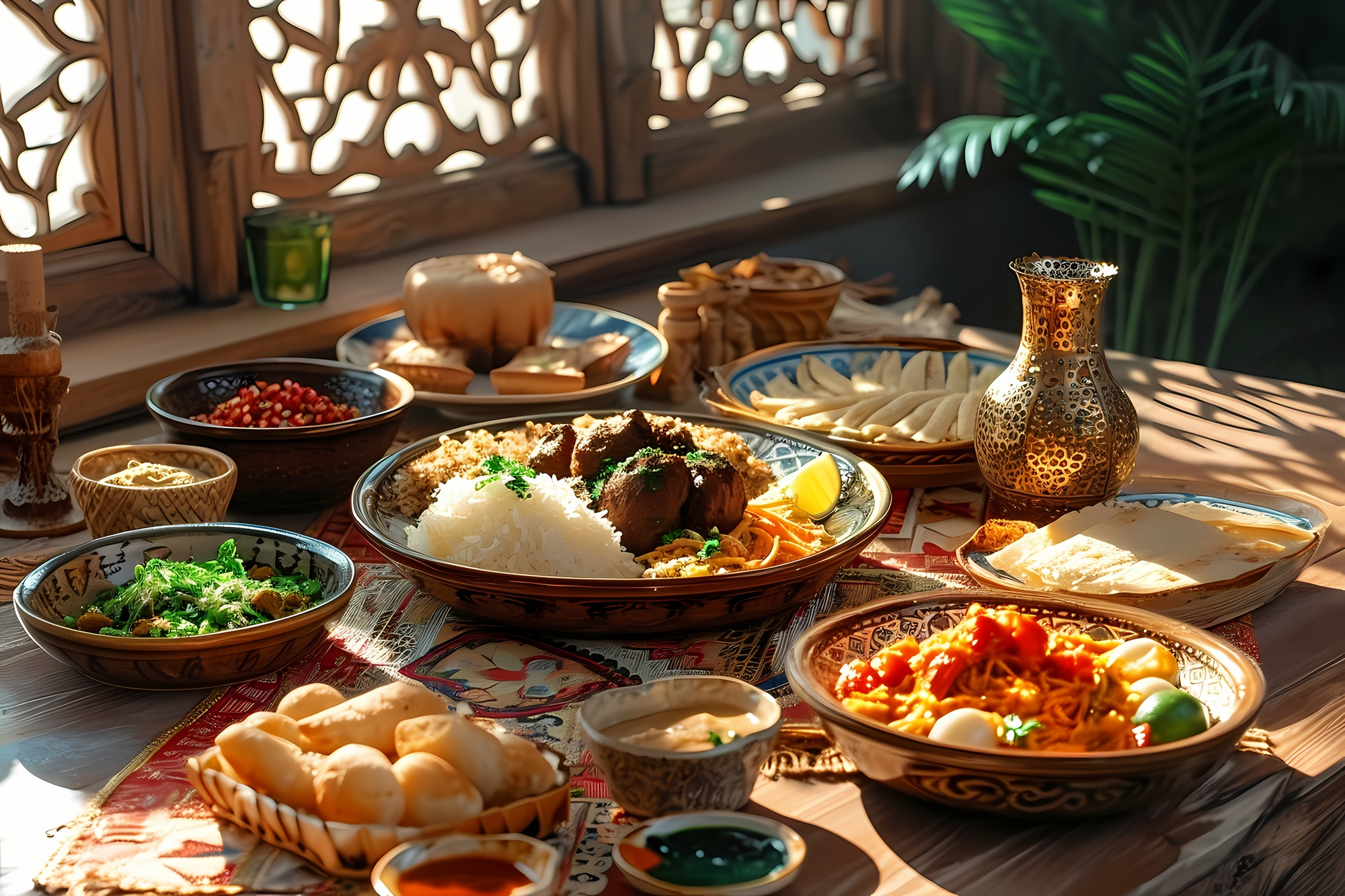
A Culinary Heritage Worth Discovering
In a city celebrated for its international dining scene, where Michelin-starred restaurants from around the world compete for attention and celebrity chefs open outposts in gleaming towers, there exists a quieter, more profound culinary story waiting to be discovered. This is the story of authentic Emirati cuisine, a rich tapestry of flavors woven from centuries of Bedouin tradition, coastal fishing heritage, and the cultural crossroads of ancient trade routes. For visitors and residents alike, experiencing traditional Emirati food is not merely a meal; it is a journey into the soul of the UAE.
The United Arab Emirates may be young as a nation, having been founded in 1971, but its culinary traditions stretch back centuries. Long before the discovery of oil transformed the region, the people of this land developed a distinctive cuisine shaped by the harsh desert environment, the bounty of the sea, and the influences brought by traders from across Asia, Africa, and the Mediterranean. Today, as Dubai positions itself as a global culinary capital, there is a growing appreciation for these traditional flavors and a renaissance of Emirati food that is bringing heritage dishes to new audiences.
Understanding authentic Emirati cuisine requires an appreciation of its origins. The early inhabitants of this region were primarily Bedouin nomads and coastal fishing communities. The Bedouins, moving through the desert with their camel and goat herds, developed recipes that could be prepared with limited ingredients and simple cooking methods. Meat, dates, and camel milk formed the foundation of their diet. The coastal communities, meanwhile, relied on the abundant fish and seafood of the Arabian Gulf, developing preservation techniques like salting that allowed them to store their catches for extended periods.
The date palm holds a special place in Emirati culinary heritage. This resilient tree, capable of thriving in the harsh desert climate, provided not only sweet, nutritious fruit but also a symbol of hospitality and generosity. To this day, dates are offered to guests as a gesture of welcome, often accompanied by Arabic coffee, or gahwa, in a ritual that embodies the Emirati values of warmth and hospitality.
The Signature Dishes of Emirati Cuisine
To truly appreciate traditional Emirati food, one must become familiar with the dishes that have been passed down through generations, each carrying its own story and significance.
- Machboos stands as the undisputed national dish of the UAE. This fragrant rice dish, prepared with meat (typically chicken or lamb) or fish, is a symphony of spices including cardamom, turmeric, saffron, and the distinctive Emirati bezar seasoning. The rice absorbs the flavors of the slow-cooked meat and aromatic spices, creating a dish that is both comforting and complex. Every Emirati household has its own variation of Machboos, with recipes passed down through generations and closely guarded family secrets. The dish is often served at gatherings and celebrations, its preparation a labor of love that can take hours.
- Al Harees is another cornerstone of Emirati cuisine, particularly during the holy month of Ramadan and the Eid celebrations. This slow-cooked porridge of wheat and meat is deceptively simple in its ingredients but requires patience and skill to prepare properly. The wheat and meat are cooked together for hours until they merge into a smooth, creamy consistency. The result is a dish of remarkable comfort, often described as soul food in its purest form. Traditionally prepared in large quantities for communal meals, Harees represents the spirit of sharing and togetherness that defines Emirati hospitality.
- Balaleet offers a fascinating contrast of sweet and savory that surprises many first-time tasters. This breakfast dish features sweetened vermicelli noodles, flavored with saffron, cardamom, and rose water, topped with a savory omelette. The combination may seem unusual to Western palates, but it represents the sophisticated flavor balancing that characterizes much of Gulf cuisine. Balaleet is a beloved breakfast item, often served during special occasions and family gatherings.
- Luqaimat are the quintessential Emirati sweet treat, small dumplings of fried dough drizzled with date syrup or honey. Crispy on the outside and soft within, these golden balls are often served during Ramadan and at celebrations. The simplicity of the ingredients, including flour, yeast, sugar, and saffron, belies the skill required to achieve the perfect texture. Luqaimat are typically enjoyed with Arabic coffee, the sweetness of the dumplings complementing the bitter, cardamom-scented brew.
Heritage Restaurants: Guardians of Tradition
Dubai is home to a growing number of restaurants dedicated to preserving and celebrating authentic Emirati cuisine. These establishments serve as guardians of culinary tradition, offering visitors the opportunity to experience genuine Emirati flavors in settings that evoke the heritage of the region.
Al Fanar Restaurant & Cafe has become synonymous with traditional Emirati dining in Dubai. With multiple locations across the city, including branches at Dubai Festival City and other prominent venues, Al Fanar offers a faithful recreation of old-world Arabia. The rustic decor, featuring traditional artifacts and vintage photographs, transports diners to a bygone era. The menu is a comprehensive survey of Emirati classics, from maleh nashef (salted fish in tomato sauce) to jesheed (baby shark with Arabic spices). The restaurant’s commitment to authenticity extends to its recipes, many of which have been sourced from Emirati families and prepared according to traditional methods.
Arabian Tea House in the Al Fahidi Historical Neighbourhood represents one of Dubai’s most beloved dining destinations for those seeking traditional Emirati food. Established in a beautifully restored heritage building, the restaurant offers an atmospheric setting complete with traditional wind towers and courtyard seating. The menu spans a wide range of Emirati and Arabic dishes, from hearty Machboos to delicate Emirati breakfast items like Chebab (Emirati pancakes) and Khameer (flatbreads with date syrup). The restaurant’s location in the heart of old Dubai adds to its appeal, allowing diners to combine their culinary exploration with a visit to one of the city’s most historic neighborhoods.
Al Khayma Heritage Restaurant, also located in the Al Fahidi area, distinguishes itself through its commitment to farm-fresh ingredients and traditional preparation methods. The restaurant’s name, meaning “the tent” in Arabic, reflects its connection to Bedouin heritage. The menu is wide-ranging, covering everything from breakfast items to hearty meat dishes and sizzling seafood platters. What sets Al Khayma apart is its attention to sourcing, with many ingredients coming from local farms and suppliers.
SMCCU (Sheikh Mohammed bin Rashid Al Maktoum Centre for Cultural Understanding) offers a unique dining experience that combines food with cultural education. Located in the Al Fahidi Historical Neighbourhood, SMCCU hosts regular cultural meals where visitors can sample a full variety of authentic Emirati cuisine while learning about local customs and traditions. The experience includes interaction with Emirati hosts who share stories about the dishes, their origins, and their significance in Emirati culture. For visitors seeking a deeper understanding of Emirati food beyond just the flavors, SMCCU provides an invaluable experience.
Modern Interpretations of Emirati Cuisine
While traditional restaurants preserve the heritage recipes, a new generation of chefs and restaurateurs is reimagining Emirati cuisine for contemporary palates. These modern interpretations honor the flavors and ingredients of traditional cooking while introducing innovative techniques and presentations.
Aseelah at the Radisson Blu Hotel in Deira represents the fine dining end of this spectrum. The restaurant offers a contemporary twist on traditional flavors, combining indigenous ingredients with European cooking techniques and presentation. Dishes like poached Arabian lobster with herbed pilaf demonstrate how traditional Emirati ingredients can be elevated to fine dining standards without losing their essential character. The sophisticated setting and refined service make Aseelah an excellent choice for special occasions.
Siraj in Souk Al Bahar takes a different approach, blending Emirati and Levantine influences to create a modern reimagining of regional flavors. The menu features creative dishes like warm date and kale salad, lobster kibbeh, and chicken biryani served in a flatbread parcel. The restaurant’s location overlooking the Dubai Fountain and Burj Khalifa adds a dramatic backdrop to the dining experience. Siraj represents the evolution of Emirati cuisine, showing how traditional flavors can be adapted and combined with other regional influences.
Logma in Dubai Mall has made authentic Emirati food accessible to a broader audience through its casual cafe format. The restaurant serves Khaleeji (Gulf) cuisine in a contemporary setting, making it an ideal introduction to Emirati flavors for visitors who might be intimidated by more traditional establishments. The menu includes breakfast specialties like Chebab and Balaleet, as well as heartier dishes like Emirati-style chicken and rice. Logma’s location in one of the world’s busiest shopping destinations has helped introduce countless visitors to the pleasures of Emirati cuisine.
The Cultural Significance of Emirati Food
Food in Emirati culture is far more than sustenance; it is a language of hospitality, a medium for connection, and a repository of collective memory. Understanding this cultural dimension enriches the experience of dining on traditional Emirati food.
The ritual of serving Arabic coffee, or gahwa, exemplifies this cultural significance. The preparation and serving of gahwa follows specific traditions that have been observed for centuries. The coffee, typically flavored with cardamom and sometimes saffron, is served in small handleless cups called finjaan, poured from a traditional pot called a dallah. The host serves guests from right to left, and it is customary to accept at least one cup as a sign of respect. This simple ritual encapsulates the Emirati values of generosity, respect, and hospitality.
Beyond coffee, the ritual of drinking Karak chai has become deeply woven into the UAE’s social fabric, evolving from a simple, strong tea introduced by South Asian workers into a symbol of multicultural heritage. Today, a new wave of specialty cafes is modernizing this tradition with premium ingredients and creative flavors, showcasing how a humble beverage can become a celebrated cultural experience.
Communal dining is another important aspect of Emirati food culture. Traditional meals are often served on large platters from which everyone eats together, fostering a sense of unity and shared experience. This practice reflects the Bedouin heritage, where resources were shared among the community and meals were occasions for gathering and conversation. Even in modern Dubai, this tradition continues in family homes and at restaurants that offer communal dining experiences.
The preservation of traditional recipes is increasingly recognized as an important aspect of cultural heritage. Organizations and individuals are working to document family recipes, many of which have never been written down but have been passed orally from generation to generation. Cookbooks, cooking classes, and food festivals are helping to ensure that these culinary traditions are not lost as the UAE continues its rapid modernization.
Exploring Emirati Cuisine: A Practical Guide
For visitors eager to explore authentic Emirati cuisine in Dubai, a strategic approach can help maximize the experience. The city offers numerous opportunities to sample traditional food, from heritage restaurants to cultural experiences and food festivals.
The Al Fahidi Historical Neighbourhood should be the starting point for any culinary exploration. This beautifully preserved area of old Dubai is home to several of the city’s best Emirati restaurants, including Arabian Tea House, Al Khayma Heritage Restaurant, and Local House. Walking through the narrow lanes, past traditional wind towers and restored courtyard houses, provides context for the food you will enjoy. The neighborhood also hosts the SMCCU, where cultural meals offer both food and education.
For those seeking a more immersive experience, several operators offer desert dining experiences that recreate the Bedouin tradition of cooking in the desert. These experiences typically include the preparation of zarb, a traditional barbecue technique where meat is cooked in an underground oven with hot coals. Dining under the stars in the desert, surrounded by dunes and silence, provides a powerful connection to the nomadic heritage that shaped Emirati cuisine.
The Dubai Food Festival, held annually, is an excellent opportunity to explore Emirati cuisine alongside the city’s broader culinary offerings. The festival features special menus at participating restaurants, cooking demonstrations, and events celebrating local food traditions. Timing a visit to coincide with the festival can provide access to unique experiences and special dishes.
The Future of Emirati Cuisine
This growing appreciation for authentic cuisine is also fueling a key segment of the UAE’s diversifying tourism strategy: culinary tourism. As travelers increasingly seek authentic and immersive experiences, the journey to discover traditional Emirati food has become a powerful attraction. This creates a significant opportunity for heritage restaurants to serve as cultural ambassadors, drawing in a niche market of tourists eager to connect with the soul of the destination through its flavors.
As Dubai continues to evolve as a global city, Emirati cuisine is experiencing a renaissance. Young Emirati chefs are returning to their culinary roots, reinterpreting traditional dishes with modern techniques while maintaining respect for heritage. New restaurants are opening that celebrate local flavors, and there is growing interest among both residents and visitors in experiencing authentic Emirati food.
This culinary revival is part of a broader movement to preserve and celebrate Emirati culture in the face of rapid modernization. Food serves as a tangible connection to heritage, a way of maintaining identity while embracing change. For the F&B industry, this represents both an opportunity and a responsibility: to honor traditional recipes while making them accessible to new audiences.
Technology is playing an increasingly important role in this effort. Digital platforms are helping to document and share traditional recipes, while modern restaurant technology is enabling traditional establishments to reach new customers. Solutions like digital menu platform are helping Emirati restaurants enhance their customer experience while maintaining their traditional character.
Building a good brand identity is essential for restaurants seeking to stand out in Dubai’s competitive dining scene. Working with experienced branding agencies can help traditional restaurants communicate their unique value proposition to both local and international audiences.
A Taste of Heritage
Experiencing authentic Emirati cuisine in Dubai is more than a culinary adventure; it is an opportunity to connect with the heritage and culture of the UAE. From the fragrant spices of Machboos to the comforting simplicity of Harees, from the sweet indulgence of Luqaimat to the ritual of Arabic coffee, each dish tells a story of survival, adaptation, and hospitality.
In a city known for its international dining scene, traditional Emirati food offers something increasingly rare: authenticity. These are dishes that have been prepared for generations, recipes that carry the memory of desert camps and fishing villages, of trade routes and family gatherings. To taste them is to taste history.
Whether you choose to dine at a heritage restaurant in the Al Fahidi neighbourhood, experience a cultural meal at SMCCU, or venture into the desert for a traditional Bedouin feast, the flavors of Emirati cuisine will leave a lasting impression. In a world of fusion and innovation, there is profound value in dishes that have remained essentially unchanged for centuries, connecting us to the people and places that came before.
Hidden Gems: Lesser-Known Emirati Dining Experiences
Beyond the well-known establishments, Dubai harbors several hidden gems where authentic Emirati cuisine can be experienced in more intimate settings. These lesser-known venues often provide the most genuine experiences, frequented by locals and offering dishes that may not appear on tourist-oriented menus.
Local House in the Al Bastakiya area deserves special mention as one of Dubai’s pioneering Emirati restaurants. Established in 1997 by Khalid Al Halyan, this restaurant has been serving traditional Emirati food for nearly three decades. The old newspaper-style menu is a charming touch, featuring a range of seafood, starters, salads, and desserts. Local House is particularly famous for introducing the camel burger to Dubai’s dining scene, a unique offering that allows adventurous diners to taste this traditional meat in a contemporary format. The restaurant also serves camel ice cream, another novelty that speaks to the creative spirit of Emirati cuisine.
SMAT in Dubai Design District has earned a devoted following for its authentic Emirati breakfast dishes. The restaurant’s regag, a thin crispy bread with generous fillings of cheese, egg, honey, or mahyawa (a salty, spicy fish sauce), is considered among the best in the city. Everything at SMAT, from the Arabic coffee sourced from homegrown suppliers to the specialty herbs and spices, is carefully selected to elevate every dish. The modern setting in Dubai’s creative hub attracts a mix of Emirati families and curious visitors, creating an atmosphere that bridges tradition and contemporary Dubai.
Saba’a at Souk Al Seef offers a particularly atmospheric setting for experiencing traditional Emirati food. Located amid the restored heritage architecture of the souk, with its distinctive wind towers and waterfront views, the restaurant transports diners to a traditional setting. The breakfast menu features classics like foul medames and mezze, accompanied by strong Arabic coffee. In the evening, the emphasis shifts to meshawi, or grills, with impressive platters of mixed meat or seafood taking center stage. The combination of authentic food and heritage setting makes Saba’a a memorable dining destination.
The Ingredients That Define Emirati Cooking
Understanding the key ingredients of Emirati cuisine provides deeper appreciation for the dishes and their origins. Many of these ingredients reflect the historical trade connections of the region and the ingenuity of cooks working with limited resources.
- Dates are perhaps the most iconic ingredient in Emirati cooking. The UAE is home to numerous date palm varieties, each with its own flavor profile and culinary applications. Dates appear in both sweet and savory dishes, from date syrup drizzled over breakfast items to dates stuffed with nuts and served as desserts. The date palm was so important to traditional Emirati life that it influenced not just cuisine but architecture, crafts, and social customs.
- Saffron adds its distinctive color and flavor to many Emirati dishes. This precious spice, historically imported from Iran along ancient trade routes, is used in rice dishes, desserts, and beverages. The golden hue of saffron-infused rice is a hallmark of celebratory Emirati cooking, signifying both the importance of the occasion and the generosity of the host.
- Bezar is the signature spice blend of Emirati cooking, a complex mixture that typically includes cumin, black pepper, cardamom, cinnamon, red pepper, and turmeric. Each family may have its own variation of bezar, with proportions adjusted according to taste and tradition. The blend is often mixed with ghee to create an aromatic base for cooking, infusing dishes with the distinctive flavor profile of Gulf cuisine.
- Dried limes, known as loomi, add a distinctive sour, slightly bitter flavor to many Emirati dishes. These preserved limes, which originated in Oman and spread throughout the Gulf, are used whole or ground in rice dishes, stews, and soups. The unique flavor of loomi is difficult to replicate with other ingredients, making it an essential component of authentic Emirati cooking.
- Ghee, or clarified butter, is the preferred cooking fat in traditional Emirati cuisine. This ingredient, with origins in ancient India, was adopted through trade connections and became integral to local cooking. Ghee’s high smoke point makes it ideal for cooking at high temperatures, while its rich, nutty flavor enhances both savory and sweet dishes.
Seasonal and Celebratory Foods
Authentic Emirati cuisine is deeply connected to the rhythms of the Islamic calendar, with certain dishes associated with specific occasions and seasons.
During Ramadan, the holy month of fasting, particular dishes take on special significance. Harees is traditionally prepared in large quantities to break the fast, its nourishing, easily digestible nature making it ideal after a day without food. Thareed, a dish of thin bread layered with meat and vegetables in a rich broth, is another Ramadan favorite, said to have been beloved by the Prophet Muhammad. The evening iftar meal, when the fast is broken, becomes an occasion for family gathering and the sharing of traditional foods.
Eid celebrations bring their own culinary traditions. Eid Al Fitr, marking the end of Ramadan, is celebrated with sweet dishes and special treats. Families prepare elaborate meals featuring the best of Emirati cooking, with Machboos often taking center stage. Eid Al Adha, the festival of sacrifice, features dishes prepared with lamb or goat, commemorating the willingness of Ibrahim to sacrifice his son.
Weddings and celebrations in Emirati culture are occasions for lavish hospitality, with food playing a central role. Traditional wedding feasts may feature whole roasted lambs, elaborate rice dishes, and an abundance of sweets. The generosity displayed through food at these occasions reflects the Emirati values of hospitality and community.
Learning to Cook Emirati Food
For those inspired to recreate traditional Emirati food at home, several options exist for learning the techniques and recipes of this cuisine.
Cooking classes offered by various organizations in Dubai provide hands-on instruction in preparing Emirati dishes. SMCCU, in addition to its cultural meals, offers cooking workshops where participants can learn to make dishes like Machboos and Luqaimat under the guidance of Emirati instructors. These classes typically include not just cooking instruction but also cultural context, explaining the significance of dishes and the traditions surrounding their preparation.
Cookbooks dedicated to Emirati cuisine have become increasingly available in recent years. Works like “Culinary Magic of the Emirates” by Alexandra von Hahn compile recipes from Emirati families, preserving traditional knowledge in written form. These books serve as valuable resources for home cooks seeking to explore authentic Emirati cuisine.
The key to successful Emirati cooking lies in patience and quality ingredients. Many traditional dishes require long, slow cooking to develop their full flavors. Sourcing authentic spices, particularly high-quality saffron and properly prepared bezar, makes a significant difference in the final result. For those in Dubai, specialty spice shops in the old souks offer the authentic ingredients needed for traditional cooking.
The Role of Food in Emirati Identity
In a rapidly modernizing nation, Emirati cuisine serves as an important anchor of cultural identity. The preservation and celebration of traditional food represents a conscious effort to maintain connection with heritage even as the country embraces change.
Young Emiratis are increasingly interested in their culinary heritage, with some pursuing careers in the food industry specifically to preserve and promote traditional cuisine. This generational interest bodes well for the future of Emirati food, ensuring that traditional recipes and techniques will be passed on rather than lost.
Government initiatives have also supported the preservation of culinary heritage. Programs to document traditional recipes, support Emirati food businesses, and promote local cuisine to visitors all contribute to the vitality of the traditional food scene. Events like Dubai Food Festival provide platforms for showcasing Emirati cuisine alongside international offerings.
For visitors to Dubai, engaging with authentic Emirati cuisine offers a meaningful way to connect with local culture beyond the glittering malls and spectacular architecture. In a city often characterized by its international character, traditional food provides a window into the soul of the nation, revealing values, history, and identity through the universal language of flavor.
