

Your Complete Dubai Shopping Guide: Mega Malls, Souks, and Everything in Between
There are shopping destinations, and then there is Dubai. Few cities in the world offer the kind of contrast that Dubai delivers so effortlessly — gleaming mega malls that stretch for kilometres on one side, and centuries-old traditional markets buzzing with colour and culture on the other. It is a place where a tourist can browse Gucci in an air-conditioned palace of retail one hour and then bargain for saffron and handwoven textiles in a narrow souk lane the next.
This duality is exactly what makes the city such a compelling shopping destination. The sheer variety is hard to match anywhere else on the planet. From duty-free luxury goods and internationally recognised brands to handcrafted Arabian perfumes and fresh spices that carry the scent of another era, the shopping experience here is layered, rich, and genuinely unforgettable.
This guide is built for anyone planning a trip and wanting to make the most of their time exploring the retail landscape. Whether the goal is finding the best luxury shopping in Dubai, discovering authentic traditional markets, or simply understanding where to go and what to buy, this guide covers everything needed to shop smart, shop well, and shop with confidence.
Understanding Dubai’s Shopping Culture Before You Start
Shopping in Dubai is not just a transaction. It is an experience that reflects the city’s identity. The retail culture here is shaped by decades of global trade, a deeply rooted tradition of market commerce, and an ambitious modern vision that has transformed the city into one of the world’s leading retail hubs.
Understanding how the city’s shopping landscape is structured helps visitors plan smarter and get more out of every outing.
The Two Worlds of Shopping in Dubai
The retail scene here exists across two very distinct but complementary worlds. The first is the world of modern mega malls — enormous, climate-controlled complexes that function as full lifestyle destinations. These are not just shopping centres. They are entertainment hubs, dining destinations, and social gathering spaces that happen to house hundreds of stores under one roof.
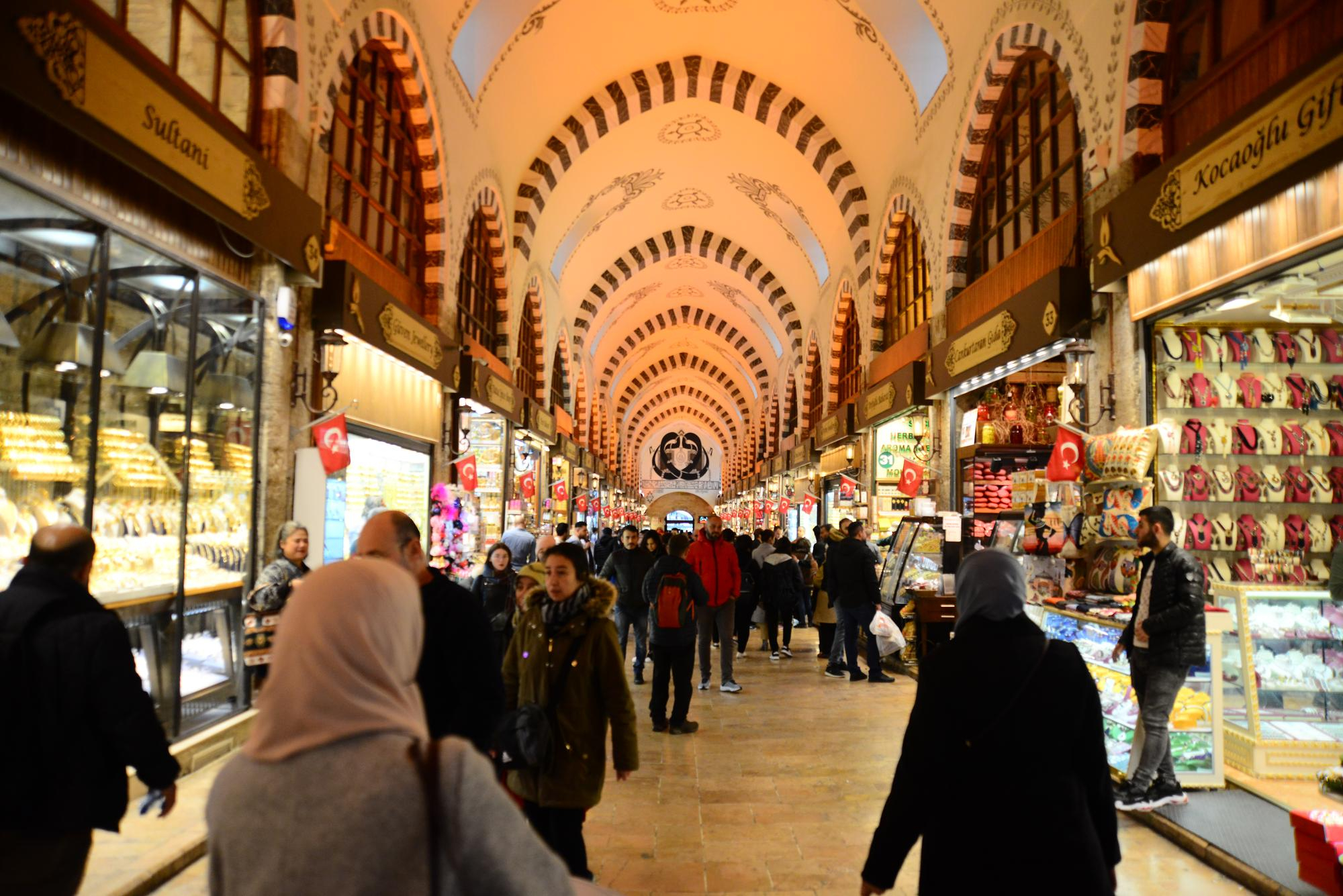
The second world is the traditional souk. These are the original marketplaces of the region, many of which have operated for well over a century. They are open-air or semi-covered markets where merchants sell everything from gold and spices to textiles and perfumes. The atmosphere is completely different from a mall — noisier, more personal, and infinitely more atmospheric.
The smartest approach for any visitor is to experience both. Together, they give a complete picture of what shopping in Dubai truly means.
Best Time to Go Shopping
Timing matters quite a bit when planning a shopping trip here. The annual Dubai Shopping Festival, which typically runs from late December through January, is one of the biggest retail events in the world. During this period, malls and retailers across the city offer major discounts, promotions, and entertainment events. Prices drop significantly, and the atmosphere is electric.
For souks, the best time to visit is in the morning or early evening when temperatures are cooler and the markets are lively but not overcrowded. Midday visits during summer months can be uncomfortable due to the heat, particularly in outdoor sections.
During Ramadan, the shopping experience takes on a different character. Souks come alive after sunset, and many malls extend their hours deep into the night. It is a festive, unique time to shop — particularly for those interested in experiencing local culture.
Dubai’s Mega Malls: Where Retail Becomes an Experience
The city’s malls have redefined what a shopping centre can be. These are not places people visit simply to buy things. They are destinations in their own right, drawing millions of visitors each year who come as much for the experiences as for the shopping. Understanding what each major mall offers helps visitors choose which ones are worth their time.
The Dubai Mall: Beyond Ordinary Shopping
By almost every measure, Dubai Mall is among the largest and most visited shopping centres on earth. Located at the base of the Burj Khalifa, it houses over 1,200 stores across multiple floors, catering to virtually every taste and budget. But the retail offering is only part of what draws people here.
The mall features a full-scale indoor aquarium and underwater zoo, an Olympic-sized ice rink, a virtual reality park, and some of the most spectacular views of the Burj Khalifa fountain show from its outdoor promenade. For families, couples, and solo travellers alike, a half day here barely scratches the surface.
From a dining perspective, the options are extraordinary. Dozens of restaurants, cafes, and food halls line the corridors, offering everything from high-end international cuisine to casual bites. The food court alone covers a remarkable variety of global flavours, making it a genuine destination for food lovers.
Practical tips for visiting Dubai Mall:
- Arrive early in the morning or on weekdays to avoid the largest crowds.
- Download the mall’s app for store maps and promotions.
- Parking is available across several connected structures — allow extra time during weekends.
- The Fountain Show outside is free and runs in the evening — it is worth staying for.
Dubai Mall and several other major shopping centres across the city have also rolled out QR-based directories and wayfinding tools, letting visitors scan a code near the entrance to pull up an interactive map, check current promotions, or find the nearest restroom or food court without wandering the corridors aimlessly. For a mall of this scale, even a small shortcut like this can save a surprising amount of time over the course of an afternoon.
Mall of the Emirates: Shop, Then Hit the Slopes
Mall of the Emirates holds a unique distinction — it is one of the very few places on earth where you can go skiing inside a mall. Ski Dubai, the indoor ski resort within the mall, remains one of the city’s most iconic experiences and continues to draw visitors who want something completely unexpected from a shopping trip.
Beyond Ski Dubai, the mall itself is a strong retail destination, with a good mix of luxury brands, high-street fashion, electronics, and specialty stores. It has a slightly more relaxed atmosphere compared to Dubai Mall, which makes browsing feel less overwhelming.
The food and dining options here are solid, with multiple restaurants serving international and regional cuisine spread across the mall. For those who enjoy combining a proper meal with a shopping trip, there are good options at various price points.
Ibn Battuta Mall: Shopping Through History
Named after the legendary Arab explorer Ibn Battuta, this mall takes a genuinely creative approach to retail design. It is divided into themed courts, each inspired by a region that Ibn Battuta visited during his historic travels — Andalusia, Tunisia, Egypt, Persia, India, and China. The architecture within each court is remarkably detailed, making walking through the mall feel like a journey through different civilisations.
While it does not have the sheer scale of Dubai Mall, Ibn Battuta Mall offers a pleasant, less crowded shopping experience with a strong mix of mid-range international brands. It is particularly popular with families and those who appreciate a more cultural retail environment. The unique setting also makes it one of the more photogenic malls in the city.
City Walk: Open-Air Retail with a Lifestyle Feel
Not all great shopping in the city happens inside a traditional enclosed mall. City Walk is a carefully designed open-air retail and lifestyle district that feels more like a European boulevard than a conventional shopping centre. It is elegant, walkable, and filled with a curated selection of international brands, boutique stores, and independent retailers.
What makes City Walk stand out is its emphasis on dining and lifestyle experiences. The outdoor restaurants and cafes here attract a sophisticated crowd, and the overall atmosphere is relaxed and social. For visitors who find large enclosed malls overwhelming, City Walk offers an excellent alternative that still delivers high-quality retail and great food options.
Traditional Souks in Dubai: Where History Comes to Life
If the mega malls represent the city’s ambitions for the future, the traditional souks represent its roots. These ancient marketplaces have been the beating heart of trade in this region long before the skyscrapers arrived. Visiting them is not just about shopping — it is about stepping into a living piece of history.
The souks are concentrated primarily in the older parts of the city, particularly in Deira and Bur Dubai, on either side of the Dubai Creek. Crossing the Creek by traditional abra (water taxi) to move between souks is itself one of the most memorable parts of the experience.
The Gold Souk: A World of Precious Metals
Located in Deira, the Gold Souk is one of the most famous traditional markets in the world. The souk is home to over 300 retailers, and the window displays along its covered walkways are nothing short of breathtaking. Necklaces, bracelets, rings, earrings, and custom pieces are displayed in elaborate arrangements that seem to go on forever.
What sets this souk apart from other gold markets is the sheer volume and variety of jewellery available. Gold here is sold by weight based on the daily international gold price, which means prices are relatively transparent. The craftsmanship ranges from traditional Arabic designs to contemporary international styles, and many shops offer custom design services.
Shopping tips for the Gold Souk:
- Check the international gold price before visiting — this gives a realistic benchmark for pricing.
- Bargaining is expected and accepted, but keep it respectful and reasonable.
- Look for hallmarks on the jewellery to verify the purity of the gold.
- Visit in the morning or early evening for a more comfortable and less crowded experience.
- Take time to compare prices across a few shops before committing to a purchase.
The Spice Souk: A Feast for the Senses
Just a short walk from the Gold Souk, the Spice Souk is a completely different sensory experience. The moment you enter this market, the air changes. The warm, complex aromas of cardamom, saffron, cinnamon, dried rose petals, frankincense, and dozens of other spices and herbs fill the narrow lanes. It is an environment that connects immediately to the deeper culinary and trading heritage of the region.
For anyone with a passion for cooking or food culture, this souk is an essential stop. The variety of spices, dried fruits, nuts, herbs, and traditional cooking ingredients available here is outstanding. Many of the ingredients found in authentic Emirati and regional Arabic cooking can be sourced here at prices far better than those found in supermarkets or specialty food stores.
Beyond spices, the souk also sells incense, oud (a fragrant wood used for burning), traditional medicinal herbs, and natural beauty products. Many merchants are happy to explain the uses of different products and offer samples, making the browsing experience genuinely educational.
What to look for at the Spice Souk?:
- Saffron — typically cheaper here than in Western markets, and quality varies so ask to smell before buying.
- Baharat spice mix — a classic Arabic blend used widely in regional cooking.
- Dried rose petals and hibiscus flowers — popular for teas and culinary uses.
- Frankincense and oud — perfect aromatic souvenirs with deep regional significance.
- Loose-leaf teas and herbal blends that reflect local brewing traditions.
The Textile Souk: Colour, Fabric, and Craftsmanship
Located in Bur Dubai, the Textile Souk stretches along the waterfront of the Dubai Creek. It is one of the more visually striking traditional markets, with bolts of fabric in every imaginable colour and pattern spilling out from shop fronts and hanging from overhead displays. The overall effect is vivid and almost overwhelming in the best possible way.
The souk carries a wide variety of fabrics, from silk, satin, and chiffon to cotton, polyester blends, and traditional Emirati textiles. Tailoring services are available nearby, making it possible to have custom garments made at very reasonable prices. Many visitors come here specifically to have traditional Arabic dress or formal wear custom-made during their trip.
The souk is also a good place to pick up pashminas, scarves, and decorative fabrics as gifts. Prices are negotiable, and merchants generally expect some back-and-forth before settling on a final number.
The Perfume Souk: The Scents of Arabia
Fragrance holds a unique and important place in Arabian culture. The tradition of using oud, attar, and other natural perfumes stretches back for centuries, and the Perfume Souk in Deira keeps this tradition very much alive. The market is a maze of small shops, each offering their own blends of traditional Arabic fragrances alongside imported international perfume brands.
Oud is perhaps the most prized fragrance in the region. Made from the resin of the agarwood tree, it has a rich, woody, and complex scent that is unlike anything in mainstream Western perfumery. Purchasing a quality oud oil or oud-based perfume here is one of the most authentically local souvenirs a visitor can take home.
Many shops in the Perfume Souk also offer personalised perfume blending services, where customers can create a completely unique fragrance based on their preferences. This takes a bit of time but results in something truly one-of-a-kind.
Deira Fish and Vegetable Market: Where Food Culture Lives
For those interested in the food side of the city’s market culture, the Deira Fish Market is a fascinating and highly recommended visit. It is the largest fish market in the region and gives an unfiltered look at the seafood that forms such an important part of local cuisine.
The market operates from the early hours of the morning, when fishermen bring in fresh catches that range from grouper and hammour to shrimp, crab, and a wide variety of other seafood. The energy and activity at peak morning hours is something that food lovers and curious travellers find genuinely captivating.
Alongside the fish market, the adjoining fruit and vegetable market provides a colourful overview of the fresh produce that supplies the city’s restaurants and homes. Together, these markets offer a deeply authentic look at how the city’s food supply chain actually works.
Mega Malls vs. Traditional Souks: Which Should You Prioritise?
This is a question many visitors wrestle with when planning their time. The honest answer is that both deserve a place in any well-planned shopping itinerary. But understanding the core differences helps in making smarter choices about where to spend limited time.
Mega malls offer climate-controlled comfort, a guaranteed authentic product experience, fixed prices, and a massive range of international brands. They are ideal for luxury goods, electronics, fashion, and entertainment. The experience is polished, convenient, and predictable in the best sense.
Traditional souks offer something fundamentally different. The experience is spontaneous, interactive, and rooted in genuine cultural tradition. Prices are negotiable, the products are often unique, and the atmosphere is something that no mall can replicate. Souks are where the character and history of the city reveal themselves most clearly.
For first-time visitors who only have a day or two for shopping, a practical approach is to spend one morning or afternoon in a traditional souk area — visiting the Gold Souk, Spice Souk, and Textile Souk in sequence since they are within walking distance of each other — and then dedicate another block of time to exploring one of the major malls. This combination delivers the full range of what shopping here can be.
What to Buy in Dubai?: The Essential Shopping List
Knowing what to look for before arriving makes the whole shopping experience far more focused and rewarding. Certain products represent exceptional value or unique cultural significance, and these are the items worth prioritising.
Luxury and Designer Goods
The city’s tax-free status means that luxury goods are often noticeably cheaper here than in many other parts of the world. High-end fashion brands, watches, handbags, and accessories from top international designers are available across the major malls, and the savings compared to European or American retail prices can be considerable.
- Always keep purchase receipts for potential VAT refund processing at the airport before departure.
- Purchase luxury goods only from official brand stores or authorised retailers to ensure authenticity.
- The Dubai Mall and Mall of the Emirates have the strongest selections of luxury brand flagships.
Gold and Jewellery
Gold purchased at the Gold Souk is internationally recognised for its quality and value. The pricing is based on the global gold rate plus a making charge, which is the fee for craftsmanship. This making charge is where there is room to negotiate. The purity of gold sold here is regulated and verified, with hallmarking requirements in place to protect buyers.
- Common gold purities available are 18K, 21K, 22K, and 24K — higher purity means softer gold but greater intrinsic value.
- Custom jewellery orders can typically be completed within a few days.
- Silver jewellery is also widely available at the souk at very competitive prices.
Spices, Dates, and Culinary Souvenirs
For food lovers, some of the most meaningful souvenirs to bring home are edible ones. Dates are perhaps the most iconic food product associated with the region, and the variety available here is extraordinary. Premium Medjool dates, stuffed dates filled with nuts or chocolate, and date-based sweets are all popular choices.
- Visit the Spice Souk for the best selection and prices on regional spices.
- Dedicated date shops inside major malls often offer beautifully packaged gift sets.
- Arabic coffee (qahwa) and the cardamom-infused spice mix used to prepare it make wonderful and authentic culinary gifts.
- Rose water and orange blossom water are widely used in local desserts and are easy to pack for travel.
Arabic Perfumes and Oud
An Arabian fragrance is one of the most culturally significant souvenirs available. Oud-based perfumes, attar oils, and traditional bakhoor (fragrant wood chips used for burning) are all worth exploring. These products vary enormously in quality and price, so taking time to visit several shops and compare is advisable.
- High-quality oud oil is expensive but long-lasting — a small amount goes a very long way.
- Bakhoor is an affordable and aromatic option that works well as a gift.
- Established Arabic perfume brands like Ajmal, Swiss Arabian, and Rasasi have retail outlets in both souks and malls.
Traditional Handicrafts and Cultural Souvenirs
Genuine artisan products and traditional crafts are available but require a bit of discernment. Markets and souvenir shops carry a mix of authentic handcrafted items and mass-produced tourist goods. Knowing the difference helps in making purchases that carry real cultural meaning.
- Hand-painted Arabic calligraphy artworks are a meaningful and unique keepsake.
- Camel leather goods, though widely sold, vary considerably in quality.
- Woven items from the Al Ain Oasis Craft Centre and similar artisan outlets offer more authentic options.
- The Global Village, open seasonally, is an excellent place to find authentic crafts and cultural products from across the Arab world and beyond.
It is worth noting that some of the souvenir shops and smaller boutiques scattered through the souks and malls now run their own QR-code-driven promotions, where scanning a code at the till can unlock a small discount, an entry into a giveaway, or a digital coupon for a return visit. For shoppers who pick up a few extra items on impulse, this kind of campaign often turns a one-off purchase into a reason to come back before the trip ends.
Practical Shopping Tips Every Visitor Should Know
A few practical pieces of knowledge go a long way in making the shopping experience smoother, more enjoyable, and better value for money.
Bargaining: Where It Works? and Where It Does Not?
Bargaining is a natural and expected part of shopping in traditional souks. Merchants anticipate negotiation, and the initial price offered is rarely the final price. That said, bargaining should always be done respectfully and with a genuine intention to buy. Walking away after a merchant has significantly lowered their price and shaking hands on a deal is considered poor etiquette.
In malls and established retail stores, prices are fixed and bargaining is not practised. The exception is electronics retailers and some independent stores, where discounts or extras can sometimes be negotiated, particularly on larger purchases.
Payment Methods and VAT Refunds
- Credit and debit cards are accepted in all major malls and most souk shops, though cash is preferred and sometimes required in smaller souk stalls.
- A 5% VAT applies to most goods. Tourists are eligible for a refund on this VAT when departing through international airports.
- Keep all original receipts from VAT-registered retailers and look for the Tax-Free Shopping sign in-store.
- The VAT refund process is handled at designated airport kiosks before check-in.
Cultural Considerations While Shopping
- Dress modestly when visiting traditional souks and older market areas out of respect for local culture.
- Greet shopkeepers politely — a simple ‘Marhaba’ (hello) or ‘Shukran’ (thank you) is always appreciated.
- Avoid aggressive or confrontational bargaining — patience and friendliness yield better results.
- Photography inside some souk shops may require permission — always ask first.
Shopping and Food: An Experience That Cannot Be Separated
One of the things that makes the shopping culture here so distinctive is how deeply it is connected to food. Whether inside the mega malls or wandering through the souk districts, great food is never far away. In fact, many of the best culinary moments on a shopping day come from the spontaneous and unexpected.
In the souk areas around Deira, the streets and lanes near the Gold Souk and Spice Souk are packed with small restaurants, shawarma stands, juice bars, and traditional tea houses. After a morning of exploring the markets, sitting down to a fresh shawarma or a plate of hummus with warm bread at one of these no-frills neighbourhood spots is a genuinely local experience that most tourists miss entirely.
It is a similar story for many of the small cafes and juice bars tucked into the lanes around the Gold Souk and Spice Souk, where digital menus and QR-based ordering have started to replace the handwritten boards that once lined these shopfronts. A quick scan lets a tired shopper browse the drinks menu, place an order, and get back to bargaining within minutes, which suits the fast pace of a souk visit far better than waiting at a counter.
The area around Bur Dubai also has a strong food culture, with a high concentration of South Asian and Middle Eastern restaurants that have been serving the local community for decades. Exploring this area after visiting the Textile Souk rewards visitors with some of the most authentic and affordable dining options in the city.
Inside the major malls, the food options lean toward a more international profile. Dubai Mall’s lower ground floor food hall is particularly impressive, with a wide selection of concepts ranging from Japanese street food and American comfort classics to Lebanese mezze and homegrown Emirati-inspired offerings. Mall of the Emirates similarly has a strong dining floor with well-known international restaurant brands.
For food lovers specifically, the Spice Souk and the nearby fish and vegetable markets are not just shopping stops — they are culinary education in action. Understanding where ingredients come from, how they are used in regional cooking, and what the fresh produce of the area actually looks and smells like is the kind of knowledge that enriches every meal eaten during a visit.
Making the Most of Your Dubai Shopping Experience
Few cities offer the kind of shopping breadth that Dubai delivers. The combination of world-class malls, deeply atmospheric traditional souks, tax-free pricing, and a rich cultural backdrop makes for a retail experience that genuinely has no direct equivalent elsewhere.
The key to making the most of it is balance. Spend time in the souks to connect with the authentic character of the city. Visit at least one mega mall to understand the scale and ambition of its modern retail vision. Buy things that carry meaning — gold, spices, perfume, dates — rather than generic tourist items that could have come from anywhere.
Do not rush. Some of the best moments in the souks happen when the agenda is loose and there is time to wander, talk to merchants, sample something unexpected, and discover a shop or product that was not on any list. That sense of discovery is part of what makes traditional market shopping so rewarding.
Whether it is a first visit or a return trip, approaching the shopping scene here with curiosity and openness consistently delivers something memorable. The city has built a remarkable retail landscape — and it continues to evolve. But the souks, with their timeless atmosphere and living history, remain the soul of it all.
