

The Rise of a New Era in Food Service
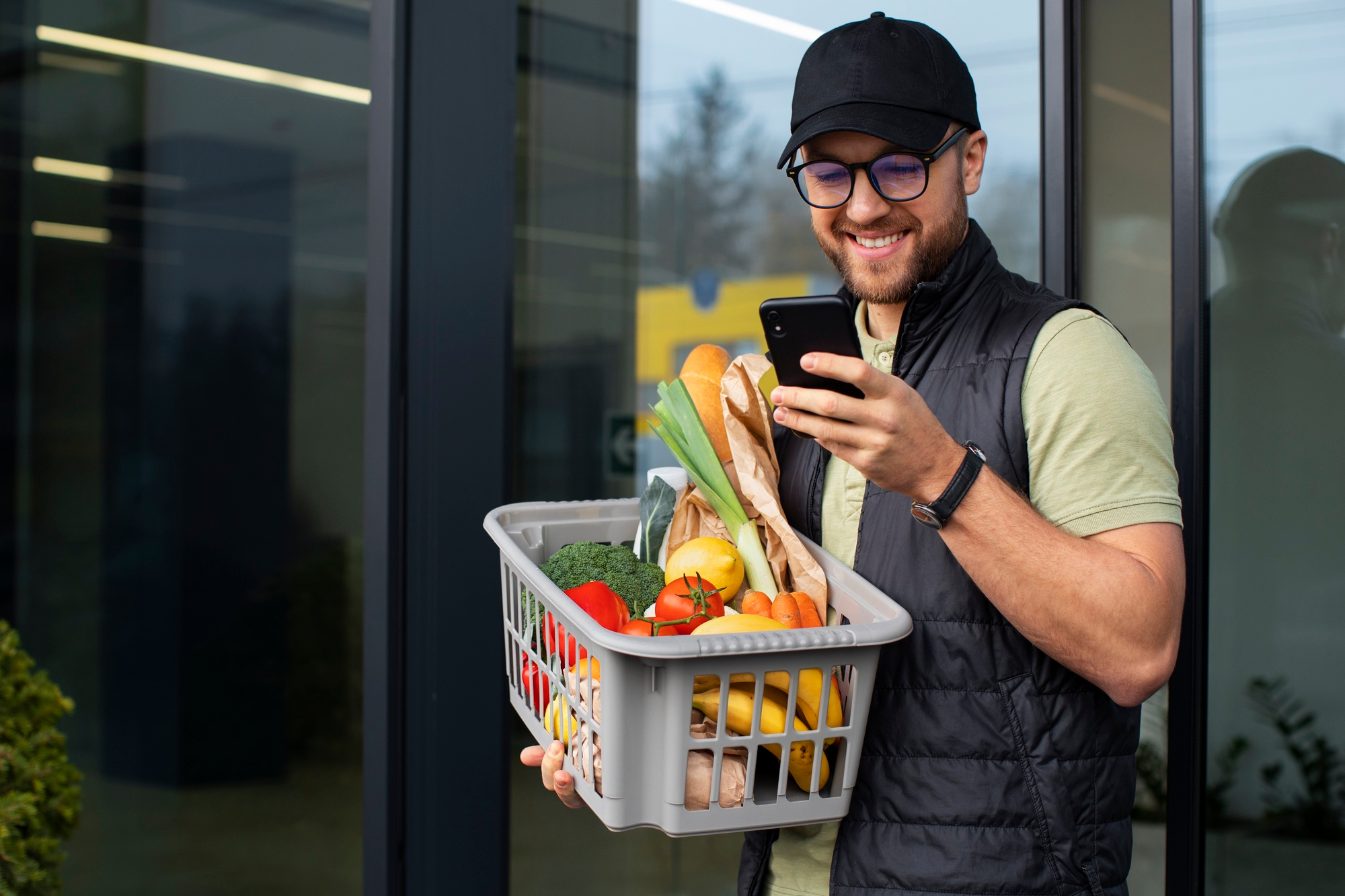
The way people eat in the United Arab Emirates has fundamentally changed. Gone are the days when dining out meant dressing up and heading to a restaurant. Today, a significant and growing portion of meals consumed outside the home never sees a dining room at all. Instead, they are prepared in streamlined, technology-driven facilities known as cloud kitchens and delivered directly to consumers’ doorsteps. This shift represents one of the most significant transformations in the history of the F&B industry, and the UAE is at the forefront of this global revolution.
The concept of a cloud kitchen, also referred to as a ghost kitchen, dark kitchen, or virtual kitchen, is elegantly simple yet profoundly disruptive. These are professional food preparation facilities that operate without a traditional storefront or dine-in area. They exist solely to fulfill delivery and takeaway orders, leveraging technology and data to optimize every aspect of the operation. In a region characterized by its embrace of innovation, high smartphone penetration, and a population with a strong appetite for convenience, the cloud kitchen model has found the perfect environment to thrive.
The numbers tell a compelling story. The UAE’s cloud kitchen market was valued at approximately US$430 million in 2025 and is projected to soar past US$1 billion by 2032, representing a compound annual growth rate of around 14.1%. This explosive growth is not happening in isolation. It is part of a broader transformation of the UAE food delivery market, which is itself on track to reach $5 billion by 2030. The synergy between these two trends is creating a powerful engine of change that is reshaping the entire F&B landscape.
What makes the UAE such fertile ground for this revolution? The answer lies in a unique confluence of factors. The country boasts nearly 99% internet penetration, one of the highest rates in the world, which enables seamless digital ordering. Its population is young, urban, and increasingly time-poor, with convenience-first lifestyles that prioritize speed and efficiency. The multicultural nature of the UAE, with residents from over 200 nationalities, creates a demand for an extraordinary diversity of cuisines that traditional restaurant models struggle to satisfy. And the regulatory environment, while rigorous, has evolved to accommodate and even encourage these new business models.
Understanding the Cloud Kitchen Ecosystem
To truly appreciate how cloud kitchens are dominating the UAE food delivery market, it is essential to understand the different models that have emerged within this ecosystem. The cloud kitchen landscape is not monolithic; rather, it encompasses a variety of operational structures, each with its own advantages and target markets.
The first and perhaps most visible model is the managed cloud kitchen platform, exemplified by companies like Kitopi. In this model, the platform operator owns and manages the kitchen infrastructure, including the physical space, equipment, and often the staff. Restaurant brands partner with the platform to have their food prepared in these facilities, allowing them to expand their delivery footprint without the capital investment of opening new locations. Kitopi, headquartered in Dubai, has become the poster child for this model, achieving unicorn status with a valuation exceeding $1 billion in less than three years. The company operates over 60 ghost kitchens and prepares food for more than 200 brands, demonstrating the scalability and efficiency of this approach.
The second model is the Kitchen-as-a-Service (KaaS) approach, where operators lease fully equipped and compliant kitchen spaces to food entrepreneurs and brands. This model lowers the barrier to entry for aspiring restaurateurs, allowing them to launch a food business with significantly less capital than would be required for a traditional restaurant. Companies like Kitchen Works in Dubai provide these turnkey solutions, offering not just the physical space but also support with licensing, technology integration, and operational best practices.
A third model involves aggregator-owned kitchens, where the delivery platforms themselves operate kitchen facilities for their partner brands. This vertical integration allows platforms like Talabat and Deliveroo to exert greater control over food quality and delivery times, while also capturing a larger share of the value chain. These kitchens often house multiple brands, allowing the platform to offer consumers a wide variety of options from a single, strategically located facility.
Finally, there are brand-owned dark kitchens, where established restaurant chains operate their own delivery-only facilities. This model allows brands to expand their delivery capacity without cannibalizing their dine-in business or incurring the costs of full-service restaurant locations. Many major quick-service restaurant chains in the UAE have adopted this approach, opening dark kitchens in strategic locations to reduce delivery times and improve customer satisfaction.
The Technology Powering the Revolution
At the heart of the cloud kitchen revolution is technology. These are not simply kitchens without dining rooms; they are sophisticated, data-driven operations that leverage technology at every stage of the process. From order management to inventory control, from demand forecasting to delivery optimization, technology is the invisible force that makes the cloud kitchen model viable and scalable.
The integration with food delivery apps is perhaps the most critical technological component. Platforms like Talabat, which commands approximately 35% of the UAE food delivery market, Noon Food with 31.6%, Careem Food, and Deliveroo serve as the primary interface between cloud kitchens and consumers. These platforms provide not just a channel for orders but also a wealth of data that cloud kitchen operators use to optimize their operations. By analyzing ordering patterns, peak times, popular items, and customer preferences, operators can make data-driven decisions about menu composition, staffing levels, and inventory management.
The concept of data-led menu engineering has become a cornerstone of successful cloud kitchen operations. Unlike traditional restaurants, where menu changes are often infrequent and based on intuition, cloud kitchens can continuously refine their offerings based on real-time performance data. High-velocity items are promoted, underperforming dishes are removed, and new items are tested with minimal risk. Some operators create daypart-specific sub-brands, offering different menus for breakfast, lunch, dinner, and late-night orders, all from the same kitchen facility.
The multi-brand strategy is another technological and operational innovation that has flourished in the cloud kitchen environment. A single kitchen facility can operate five, ten, or even more distinct brands, each targeting a different cuisine, price point, or customer segment. This approach maximizes the utilization of kitchen space and equipment, spreading fixed costs across multiple revenue streams. For consumers, it means greater variety and choice; for operators, it means higher revenue per square foot and reduced risk through diversification.
Beyond just linking to menus, QR codes have become the essential digital bridge connecting the physical world of packaging to the cloud kitchen’s online ecosystem. Advanced platforms offer a suite of solutions for restaurants, enabling QR codes to launch video playlists of the food being prepared, gather instant customer feedback, or link directly to loyalty programs, thereby building a relationship with customers who never step inside the kitchen.
For operators managing multiple virtual brands across different emirates, enterprise-grade QR code builders provide the next level of operational efficiency. These platforms allow a single, dynamic QR code to intelligently redirect customers based on their location, ensuring they see the correct menu and promotions, while also allowing the marketing team to edit destinations in real-time without ever reprinting packaging.
Key Players Shaping the Market
The UAE cloud kitchen market is home to a diverse array of players, from well-funded unicorns to scrappy startups, from international chains to homegrown innovators. Understanding who these players are and how they operate provides valuable insight into the dynamics of this rapidly evolving market.
Kitopi stands as the undisputed leader in the managed cloud kitchen space. Founded in Dubai in 2018, the company has grown at a breathtaking pace, expanding across the GCC and into international markets. Kitopi’s success is built on a combination of operational excellence, technological sophistication, and strategic partnerships with both local and international restaurant brands. The company’s journey from startup to unicorn in less than three years is a testament to the viability and scalability of the cloud kitchen model in the UAE market.
KLC Virtual Restaurants represents another significant player, operating as a multi-brand virtual restaurant company focused on delivering food from a variety of cuisines across the GCC. The company’s portfolio of brands allows it to capture demand across different customer segments and occasions, from quick casual meals to more premium offerings.
The Cloud is a platform that enables entrepreneurs to open virtual restaurants in as little as a month, dramatically reducing the time and capital required to enter the food business. By providing turnkey solutions that include kitchen space, technology, and operational support, The Cloud has lowered the barriers to entry and enabled a new generation of food entrepreneurs to bring their concepts to market.
Epik Foods has built an empire of over 100 brands, spanning homegrown favorites, innovative virtual brands, dine-in experiences, and catering services. This diversified approach demonstrates how cloud kitchen operators can evolve into comprehensive F&B ecosystems, leveraging their operational capabilities across multiple business models.
The Economics of Cloud Kitchens
One of the primary drivers of cloud kitchen adoption is the compelling economic proposition. Traditional restaurants face a challenging cost structure, with rent, labor, and food costs consuming the vast majority of revenue. Prime locations command premium rents, front-of-house staff add to labor costs, and the need to create an appealing dining environment requires significant capital investment in decor and ambiance.
Cloud kitchens fundamentally alter this equation. By eliminating the need for a dining area, operators can locate their facilities in less expensive, non-prime locations. Industrial areas, back streets, and other locations that would be unsuitable for a traditional restaurant become viable options for cloud kitchens, where the only requirement is efficient access to delivery routes. This can reduce rent costs by 50% or more compared to a traditional restaurant location.
Labor costs are also significantly reduced. Without front-of-house operations, there is no need for servers, hosts, or bartenders. The staff required for a cloud kitchen consists primarily of kitchen personnel and, in some cases, delivery drivers. This leaner staffing model not only reduces costs but also simplifies operations and reduces the management burden.
The capital investment required to launch a cloud kitchen is a fraction of what would be needed for a traditional restaurant. There is no need for expensive interior design, furniture, or tableware. The focus is entirely on the kitchen itself, with investment directed toward efficient equipment, proper ventilation, and food safety infrastructure. For entrepreneurs looking to enter the F&B industry, this lower barrier to entry makes the cloud kitchen model particularly attractive.
The multi-brand strategy further enhances the economics of cloud kitchens. By operating multiple brands from a single facility, operators can achieve higher utilization of their kitchen space and equipment. A kitchen that might be underutilized during certain dayparts or days of the week can generate additional revenue by offering different brands that appeal to different occasions. This approach maximizes revenue per square foot and improves the overall return on investment.
Challenges and Considerations
Despite the compelling advantages of the cloud kitchen model, operators face significant challenges that must be navigated carefully. The UAE food delivery market is becoming increasingly competitive, with new entrants constantly joining the fray. Differentiation is essential, whether through unique cuisine offerings, superior quality, faster delivery times, or more competitive pricing.
For cloud kitchens, the battle for customers is won or lost entirely online, as platforms like Google and social media are not just marketing channels but the only storefronts they have. This makes establishing a powerful digital presence a critical challenge, requiring a sophisticated strategy to capture the attention of the 74% of UAE diners who discover new restaurants through social media.
To overcome this, successful virtual brands treat their Instagram profile as their virtual dining room, using high-quality visual content and influencer collaborations to build the trust and appetite that a physical location would normally provide. By mastering short-form video and leveraging the platform’s e-commerce features, they can turn a follower’s discovery session into a direct order on a delivery app, completing the entire customer journey within a single platform.
The dependence on third-party delivery platforms is a double-edged sword. While these platforms provide access to a large customer base and sophisticated ordering technology, they also charge significant commissions that can erode margins. Commission rates of 25-35% are common, meaning that a substantial portion of each order goes to the platform rather than the kitchen operator. This has led some operators to invest in their own ordering channels, including branded apps and websites, to reduce their dependence on aggregators.
Maintaining food quality during delivery is another persistent challenge. Unlike dine-in restaurants, where food is served immediately after preparation, cloud kitchen food must survive the journey from kitchen to customer. This requires careful attention to packaging, with investments in thermal retention, leak-proofing, and presentation. The food that arrives at the customer’s door must look and taste as good as it did when it left the kitchen, a challenge that requires ongoing innovation and attention to detail.
Regulatory compliance remains a critical consideration. The UAE has rigorous food safety standards, and cloud kitchen operators must obtain the appropriate licenses from Dubai Municipality or other relevant authorities. This includes food safety certifications, trade licenses, and compliance with zoning regulations. While the regulatory environment has evolved to accommodate cloud kitchens, operators must still navigate a complex landscape of requirements.
The Future of Cloud Kitchens in the UAE
Looking ahead, the future of cloud kitchens in the UAE appears exceptionally bright. Several trends are poised to shape the evolution of this market in the coming years, creating new opportunities for operators who can anticipate and adapt to changing conditions.
Sustainability is emerging as a key differentiator. As consumers become more environmentally conscious, there is growing demand for eco-friendly packaging and sustainable practices. Cloud kitchen operators who can demonstrate a commitment to sustainability, whether through biodegradable packaging, reduced food waste, or responsible sourcing, will have a competitive advantage.
Technology will continue to drive innovation. Artificial intelligence is being deployed for demand forecasting, allowing operators to predict order volumes with greater accuracy and optimize staffing and inventory accordingly. Automation and robotics are beginning to make inroads, with some operators experimenting with automated cooking equipment and robotic food preparation. These technologies have the potential to further reduce costs and improve consistency.
The expansion into underserved areas represents a significant growth opportunity. While cloud kitchens are currently concentrated in major urban centers like Dubai and Abu Dhabi, there is potential to expand into suburban areas and smaller cities where delivery infrastructure is less developed. Micro-kitchens designed for ultra-fast delivery, with target times of 15 minutes or less, are another emerging trend that could reshape consumer expectations.
Health and specialty niches are gaining traction. As consumers become more health-conscious, there is growing demand for vegan, organic, keto, and other diet-specific options. Cloud kitchens are well-positioned to serve these niches, as their flexible, multi-brand model allows them to launch specialized offerings without the constraints of a traditional restaurant format.
A Transformed Landscape
The rise of cloud kitchens represents a fundamental transformation of the UAE food delivery market. What began as an experimental concept has evolved into a mainstream business model that is reshaping how food is produced, distributed, and consumed. The combination of favorable demographics, high technology adoption, and a supportive regulatory environment has made the UAE one of the world’s most advanced markets for cloud kitchen innovation.
For entrepreneurs and investors, the cloud kitchen sector offers compelling opportunities. The lower capital requirements, scalable business model, and growing consumer demand create a favorable environment for new entrants. However, success requires more than simply opening a kitchen and listing on delivery apps. It demands operational excellence, technological sophistication, and a deep understanding of consumer preferences.
For consumers, the cloud kitchen revolution means greater choice, convenience, and value. The ability to order from a diverse array of cuisines, delivered quickly and affordably, has transformed the dining experience. What was once a special occasion has become an everyday convenience, integrated seamlessly into the rhythms of modern life.
As the market continues to evolve, the winners will be those who can combine operational efficiency with culinary excellence, who can leverage technology while maintaining the human touch that makes food special. The cloud kitchen revolution is not just about changing where food is prepared; it is about reimagining the entire relationship between kitchens and consumers.
For restaurant owners looking to expand their delivery capabilities, investing in the right technology infrastructure is essential. Solutions like QRHUB’s digital menu platform can help streamline operations and enhance the customer experience. Building a strong brand identity is equally important in a crowded market, and working with experienced agencies can help differentiate your offering.
Success Stories: Lessons from the Leaders
The success of cloud kitchens in the UAE is not merely theoretical; it is demonstrated by the remarkable achievements of companies that have embraced this model. Examining these success stories provides valuable lessons for entrepreneurs and investors considering entry into this market.
Kitopi’s journey from a startup founded in 2018 to a billion-dollar unicorn in less than three years is perhaps the most compelling success story in the UAE cloud kitchen space. The company’s founders recognized early that the future of food service would be driven by delivery, and they built a platform designed from the ground up to excel in this environment. Kitopi’s success is built on several key pillars: a technology-first approach that optimizes every aspect of operations, strategic partnerships with both local and international brands, and a relentless focus on operational excellence.
The company’s managed kitchen model has proven particularly effective in the UAE market. By handling the complexities of kitchen operations, including staffing, equipment maintenance, and regulatory compliance, Kitopi allows restaurant brands to focus on what they do best: creating great food and building their brand. This division of labor has proven attractive to brands of all sizes, from small local restaurants looking to expand their delivery footprint to major international chains seeking to enter the UAE market.
Another notable success story is the rise of virtual-only brands that exist exclusively in the cloud kitchen environment. These brands, which have no physical restaurant presence, have been able to build significant followings and generate substantial revenue purely through delivery platforms. The success of these virtual brands demonstrates that consumers are increasingly indifferent to whether their food comes from a traditional restaurant or a cloud kitchen; what matters is the quality of the food and the convenience of the experience.
The Role of Delivery Platforms
The symbiotic relationship between cloud kitchens and delivery platforms is central to understanding the dynamics of the UAE food delivery market. These platforms serve as the primary channel through which cloud kitchens reach consumers, and their influence on the market cannot be overstated.
Talabat has emerged as the dominant player in the UAE food delivery space, commanding approximately 35% of the market. The platform’s success is built on a combination of factors: a user-friendly app, extensive restaurant coverage, reliable delivery, and aggressive marketing. For cloud kitchen operators, a strong presence on Talabat is often essential for success, given the platform’s reach and customer base.
Noon Food has rapidly grown to capture 31.6% of the market, leveraging its parent company’s e-commerce infrastructure and customer relationships. The platform’s integration with the broader Noon ecosystem provides advantages in customer acquisition and retention. Careem Food and Deliveroo round out the major players, each with their own strengths and market positions.
The relationship between cloud kitchens and delivery platforms is complex and sometimes contentious. While platforms provide essential access to customers, their commission structures can significantly impact profitability. Cloud kitchen operators must carefully manage this relationship, balancing the need for platform visibility with the imperative to maintain healthy margins. Some operators have responded by developing their own ordering channels, including branded apps and websites, to reduce their dependence on third-party platforms.
Operational Excellence: The Key to Success
Success in the cloud kitchen business ultimately comes down to operational excellence. The operators who thrive are those who can consistently produce high-quality food, fulfill orders quickly and accurately, and maintain the systems and processes that enable efficient operations at scale.
Kitchen design and workflow optimization are critical considerations. Unlike traditional restaurants, where the kitchen is often an afterthought squeezed into whatever space remains after the dining room is designed, cloud kitchens are designed around the kitchen itself. Every aspect of the layout is optimized for efficiency, from the placement of equipment to the flow of ingredients through the preparation process. The goal is to minimize the time from order receipt to dispatch, while maintaining consistent quality.
Inventory management is another area where cloud kitchens can leverage technology for competitive advantage. By integrating ordering data with inventory systems, operators can maintain optimal stock levels, reducing waste while ensuring that popular items are always available. Predictive analytics can anticipate demand patterns, allowing operators to adjust inventory and staffing in advance of expected peaks.
Quality control is paramount in an environment where the customer experience is entirely mediated by the delivered product. Cloud kitchen operators must implement rigorous quality control processes, from ingredient sourcing to final packaging. The food that arrives at the customer’s door is the only touchpoint with the brand, making it essential that every order meets the highest standards.
Staff training and retention are ongoing challenges. While cloud kitchens require fewer staff than traditional restaurants, the staff they do employ must be highly skilled and efficient. Training programs that emphasize speed, accuracy, and quality are essential. Retention is also important, as experienced staff who understand the systems and processes are more productive than new hires who are still learning.
Navigating the Regulatory Landscape
Operating a cloud kitchen in the UAE requires careful attention to regulatory requirements. The country has rigorous food safety standards, and compliance is non-negotiable. Understanding and navigating this regulatory landscape is essential for any operator entering the market.
The licensing process begins with obtaining the appropriate trade license for food preparation activities. This is followed by securing food safety certifications from Dubai Municipality or the relevant authority in other emirates. Inspections are conducted to ensure that facilities meet hygiene and safety standards, including proper food storage, handling procedures, and waste management.
Zoning regulations must also be considered. While cloud kitchens can operate in locations that would be unsuitable for traditional restaurants, they must still be located in zones that permit commercial food preparation. Understanding these zoning requirements is essential when selecting a location for a new facility.
The regulatory environment in the UAE has evolved to accommodate cloud kitchens, recognizing their growing importance to the F&B sector. However, operators must stay informed about regulatory changes and ensure ongoing compliance. This includes maintaining proper documentation, conducting regular internal audits, and staying current with any changes to food safety requirements.
The investment in compliance is not merely a cost of doing business; it is a competitive advantage. Consumers are increasingly concerned about food safety, and operators who can demonstrate rigorous compliance with regulatory standards build trust and credibility. In a market where consumers cannot see the kitchen where their food is prepared, this trust is essential.
